 By Eve Nowell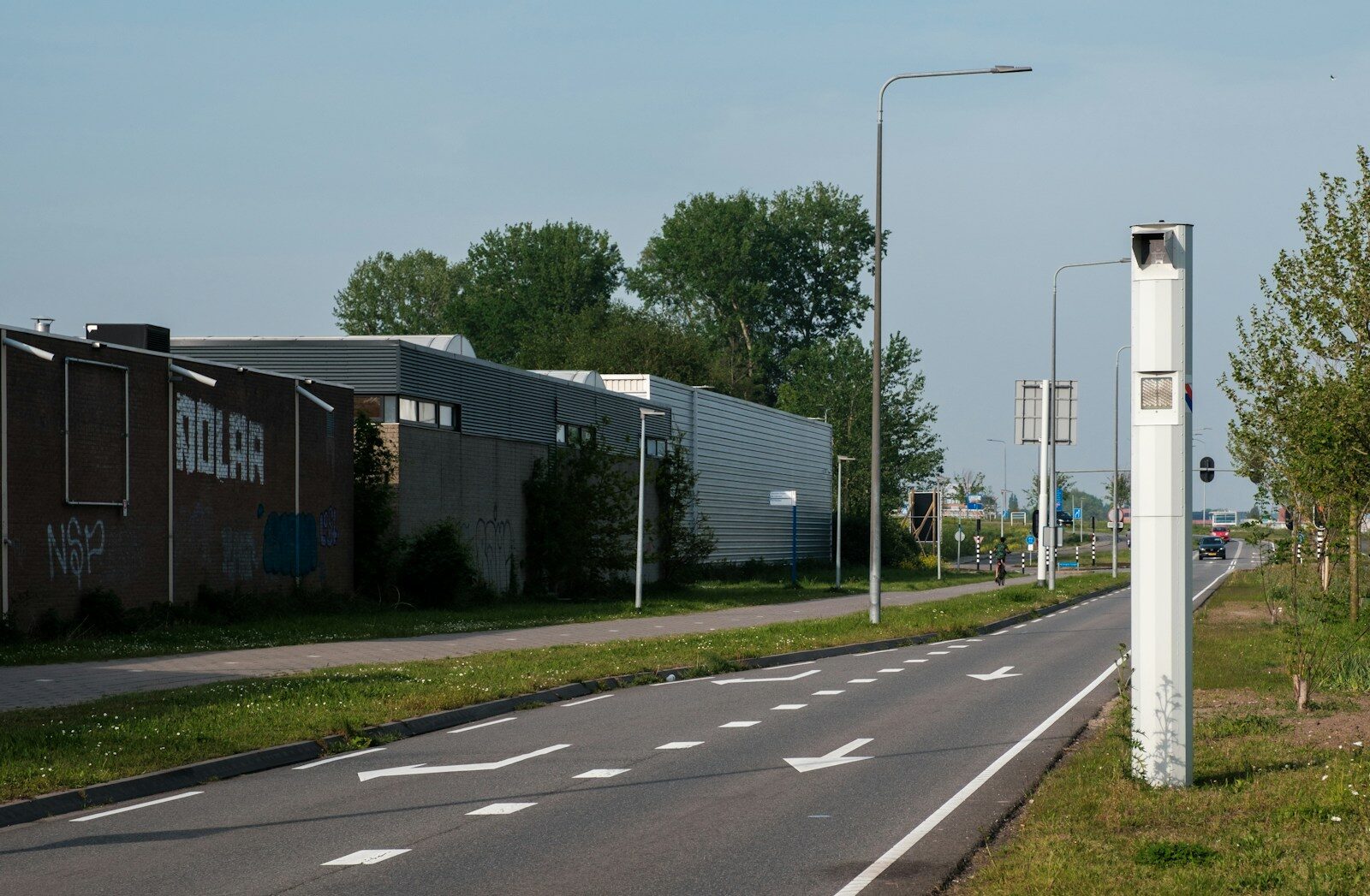
For years, drivers had a system. You’d get a warning from Waze, ease off the gas, glide past the camera, and then get right back to cruising speed. It wasn’t exactly a secret. Everyone knew how the game worked.
That system is starting to fall apart.
Colorado is rolling out a different kind of speed enforcement, and it doesn’t care if you slow down when you see it coming. These new cameras don’t measure how fast you’re going at a single point. They measure how fast you’ve been going the entire time. And that changes everything.
Here’s what’s happening. The state has introduced something called automated vehicle identification systems, or AVIS. Instead of catching you at one spot, these systems track your vehicle between multiple camera points. They calculate how long it takes you to travel a known distance, then do the math. Distance over time. Average speed.
It sounds simple because it is. But it’s also way harder to game.
The first stretch getting this treatment sits just north of Denver along Interstate 25, with another section on CO 119. Drivers who average at least 10 miles per hour over the posted speed limit will get hit with a $75 ticket. No points on your license, but still, it adds up. And more importantly, it sticks.
That’s where things change.
Because now it’s not about that one moment when you pass a camera. It’s about everything that happens in between. You can slow down at the last second all you want. If you were flying for the previous few miles, the system already has what it needs.
And that’s where it gets complicated for a lot of drivers.
Navigation apps have trained people to react instead of drive consistently. You get a warning, you adjust, then you go back to normal. That rhythm doesn’t work here. In fact, it almost guarantees you’ll get flagged if your overall pace stays high.
The sequence is pretty straightforward. A driver speeds through one checkpoint. Maybe they don’t even notice it. They keep pushing, thinking they’ll just slow down when it matters. By the time they hit the second camera, it’s already too late. The system has the full picture, and it doesn’t forget.
Then the ticket shows up.
But here’s the part that really raises eyebrows. The ticket doesn’t necessarily go to the driver. It goes to the registered owner of the vehicle.
So if someone else was behind the wheel, that’s still your problem.
This isn’t a new issue with camera enforcement, but it’s getting more attention now. There have already been legal debates in other states about whether it’s fair to hold the vehicle owner responsible without proving who was actually driving. A recent case tied to red light cameras in Florida brought that question back into focus.
Colorado’s system follows that same basic approach, at least for now. The burden doesn’t fall on the state to identify the driver. It falls on the owner to deal with the ticket.
That puts drivers in an awkward spot, especially if they share vehicles. Lending your car to a friend or family member suddenly carries a little more risk. If they push it too hard between those camera zones, you’re the one getting the bill.
So what’s the workaround?
Honestly, there isn’t a clever one. That’s kind of the point. The only real way to avoid getting flagged is to keep your speed consistent and within the limit across the entire monitored stretch. Cruise control might actually be your best friend here, not because it’s fancy, but because it removes the temptation to drift faster.
Of course, the state says this isn’t about catching people off guard. Officials argue it’s about safety. Speeding has played a role in more than a third of roadway deaths in Colorado over the past five years. On top of that, a large majority of drivers admit they speed on highways.
From that perspective, average speed enforcement makes a certain kind of sense. It encourages steady, predictable driving instead of short bursts of compliance. And according to federal data, automated enforcement systems like this can reduce crashes, injuries, and fatalities by a noticeable margin.
Still, not everyone’s convinced.
There’s a difference between enforcing laws and changing how people interact with the road. This kind of system doesn’t just penalize speeding. It reshapes driver behavior in a more constant, less forgiving way. Some will argue that’s necessary. Others will say it crosses a line.
And it’s not just Colorado experimenting with tougher approaches. Other states are looking at even more aggressive ideas. In Illinois, lawmakers have discussed measures that could physically limit how fast repeat offenders can drive. That’s a whole different level of control.
So yeah, this isn’t an isolated shift. It’s part of a bigger trend.
The old playbook is fading. Spot a camera, slow down, move on. That era is slipping away, at least in places willing to invest in this kind of tech.
Here’s the takeaway.
If you’re driving through one of these zones, you’re being measured the entire time, not just at the obvious points. There’s no last second fix, no quick correction that wipes out what happened before.
You either drive within the limit the whole way, or you don’t. And now, the system knows the difference.