 By Shawn Henry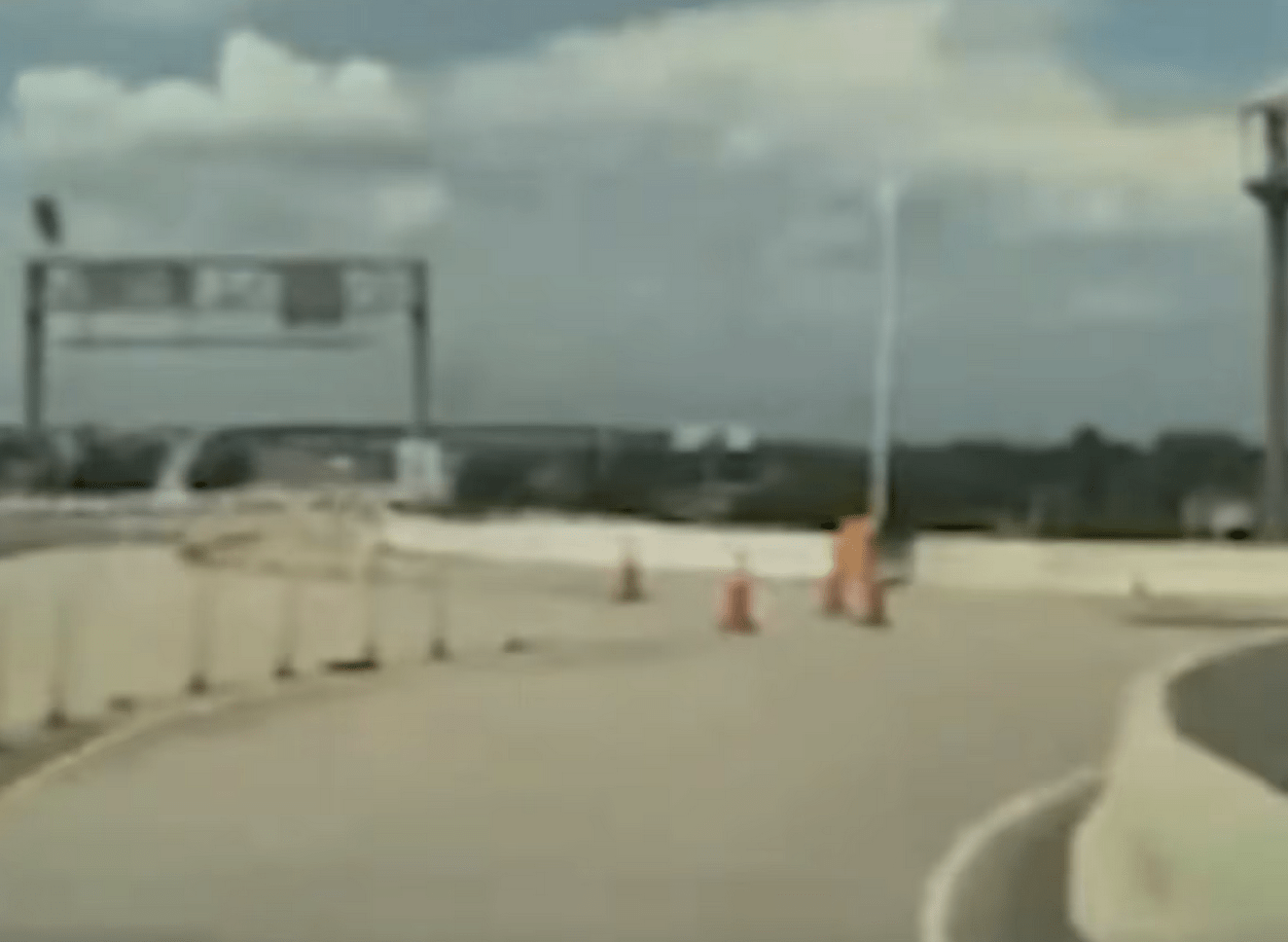
A Tesla Cybertruck attempting to drive itself nearly went somewhere no driver ever should — straight off an overpass. Instead, it slammed into a concrete barrier, and now the incident is raising fresh concerns about how far drivers can trust self-driving systems when things go wrong.
This wasn’t a slow-speed glitch or a minor misjudgment. It was a moment where technology made a decision that could have had far worse consequences, and the driver was left scrambling to take back control.
What Happened on That Overpass
The crash took place in Houston, Texas, involving a Tesla Cybertruck operating in self-driving mode. According to the details available, the vehicle suddenly attempted to veer off an overpass without warning.
The driver reacted and tried to regain control, but it wasn’t enough to prevent the outcome. The truck ultimately collided with a concrete barrier, stopping what could have escalated into a far more dangerous situation.
That sequence matters. It highlights a critical moment where the system’s behavior changed unexpectedly, and the human behind the wheel had only seconds to respond.
When Technology and Reality Collide
Self-driving systems are designed to assist, not replace, the driver. But incidents like this show how quickly that line can blur in real-world conditions. When a vehicle makes a decision that doesn’t match the road ahead, the burden immediately shifts back to the person in the driver’s seat.
The problem is timing. At highway speeds, especially on elevated roadways like overpasses, there is almost no margin for hesitation. Even a brief delay in recognizing what the car is doing can make recovery nearly impossible.
In this case, the driver attempted to intervene. The crash still happened.
The Risk No One Talks About Enough
For many drivers, the appeal of advanced driver assistance systems is obvious. They promise convenience, reduced fatigue, and an extra layer of safety. But they also introduce a new kind of risk — one that doesn’t come from mechanical failure, but from unexpected system behavior.
When a car accelerates, steers, or changes direction in a way the driver doesn’t anticipate, the situation becomes more than just a technical issue. It becomes a test of reaction time under pressure.
That’s where incidents like this stand out. It’s not just that the system made an error. It’s how little time there was to correct it.
Why This Matters for Everyday Drivers
This isn’t just about one Cybertruck in Houston. It’s about how drivers interact with increasingly advanced technology across the entire automotive landscape.
Features labeled as “self-driving” or “autopilot” can create a sense of confidence that may not always match real-world capability. Drivers may expect the system to handle complex scenarios, even when it’s not designed to do so.
That gap between expectation and reality is where problems can start.
For enthusiasts and everyday drivers alike, the takeaway is clear. No matter how advanced the system is, control ultimately comes back to the human behind the wheel — often with very little warning.
The Bigger Conversation Around Autonomy
The push toward more advanced driver assistance and autonomy isn’t slowing down. Automakers are racing to deliver more capable systems, and buyers are eager for the latest technology.
But incidents like this highlight a tension in that progress. The technology is improving, but it’s not infallible. And when something goes wrong, the consequences can escalate quickly.
That raises bigger questions about how these systems are presented, how drivers are expected to use them, and where responsibility ultimately falls when a crash occurs.
Where the Responsibility Lands
One of the most important aspects of this incident is the moment of handoff. The system made a decision. The driver tried to override it. The crash still happened.
That sequence underscores a difficult reality. Even when a driver is paying attention, there may not always be enough time to prevent a bad outcome once the system goes off course.
It’s a reminder that these features are tools, not replacements. And when they fail, the responsibility doesn’t disappear — it just becomes harder to manage in the moment.
The Question Moving Forward
This crash could have ended far worse, but it still leaves a critical issue unresolved. As vehicles take on more control, what happens when that control doesn’t align with the road ahead?
Because if a truck can attempt to drive off an overpass without warning, the real question isn’t just about one incident. It’s about whether the current balance between technology and driver responsibility is where it needs to be — or if it’s still a work in progress with real consequences.
 Eve Nowell