 By Shawn Henry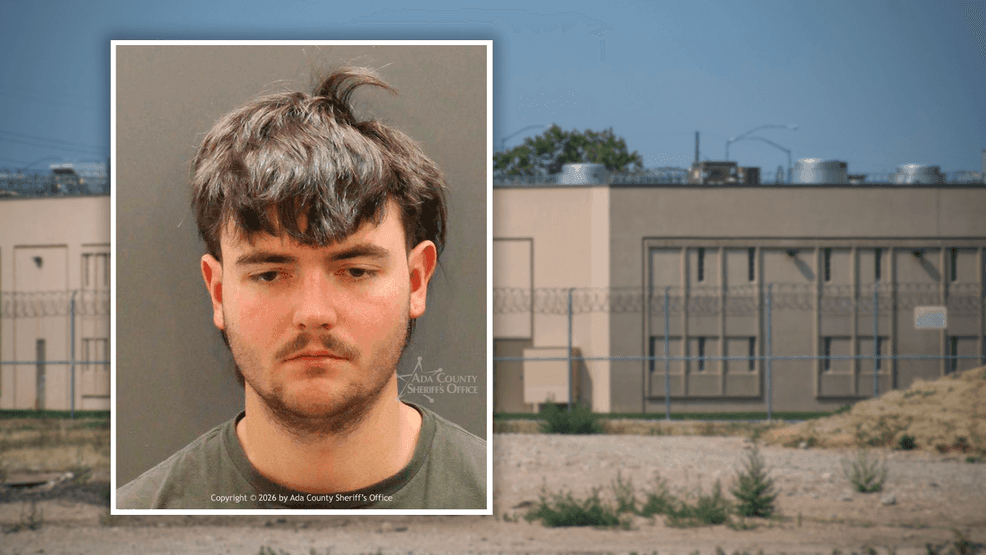
What began as a moment of tension on an Idaho interstate has now escalated into a first-degree murder case, and the legal stakes couldn’t be higher. Prosecutors have upgraded the charge against Jacob Streat, a Nampa man accused of shooting another driver in a road rage incident, signaling they believe this was more than just a spontaneous act of violence.
The decision to elevate the charge from second-degree to first-degree murder marks a turning point in the case. It transforms what might have been argued as a heat-of-the-moment crime into something prosecutors now view as deliberate and premeditated. That shift alone changes everything—for the accused, for the victim’s family, and for how this case will be watched nationwide.
What Happened on the Road That Day
The incident unfolded around midday on January 25 near a busy stretch of Central Avenue in Meridian, close to Interstate 84. Multiple 911 calls came in reporting gunfire near a McDonald’s, immediately signaling that this wasn’t just another fender bender or shouting match between drivers.
According to investigators, the confrontation began on the interstate before spilling into a nearby area. At some point during that encounter, Streat allegedly shot a 27-year-old man multiple times. The victim died before emergency responders could arrive, turning what may have started as a traffic dispute into a fatal encounter within minutes.
This wasn’t a prolonged altercation. It was fast, chaotic, and irreversible.
Charges Escalate—and So Do the Stakes
Initially, Streat faced a second-degree murder charge, which typically reflects a killing without premeditation but with intent. That alone carries severe consequences. However, the prosecution’s decision to upgrade the charge to first-degree murder indicates they now believe the act involved planning or intent beyond a spontaneous reaction.
That upgrade dramatically increases potential penalties and raises the bar for both sides in court. A first-degree murder charge is one of the most serious accusations in the legal system, often bringing the possibility of life-altering consequences if convicted.
Streat is scheduled to appear in Ada County Court for a motion hearing on March 25, just days after the charge was elevated. His preliminary hearing is set for April 13, where more details about the case are expected to emerge.
Why This Case Hits Close to Home for Drivers
Road rage incidents are nothing new, but cases like this push the conversation into far more serious territory. Every driver has experienced frustration behind the wheel—slow traffic, aggressive merging, unpredictable behavior. But this case highlights how quickly that frustration can spiral into something far more dangerous.
For everyday drivers and car enthusiasts alike, the concern isn’t just about one individual’s actions. It’s about the broader environment on the road. When tempers flare and decisions escalate, the consequences aren’t limited to those involved—they ripple outward, affecting anyone nearby.
This isn’t about blaming drivers as a whole. It’s about recognizing that the line between frustration and disaster can be dangerously thin when emotions override judgment.
The Legal System Sends a Message
The move to pursue a first-degree murder charge sends a clear signal about how seriously authorities are treating this incident. It suggests prosecutors want to establish that this wasn’t just a loss of control, but a calculated act with deadly consequences.
That distinction matters. It influences how future cases may be handled and how aggressively similar incidents are prosecuted. For law enforcement and prosecutors, cases like this become benchmarks—examples used to deter similar behavior by demonstrating the full weight of legal consequences.
At the same time, it raises questions about how intent is defined in high-stress situations like road rage. That debate is likely to play out as the case moves forward.
A Growing Concern on American Roads
Incidents involving extreme road rage have become more visible in recent years, not necessarily because they are more common, but because their consequences are increasingly severe and widely reported. What used to be dismissed as aggressive driving now carries the potential for criminal escalation.
The combination of high-speed environments, emotional reactions, and easy access to weapons creates a volatile mix. When those factors intersect, situations can deteriorate rapidly, leaving little room for de-escalation.
For drivers, the takeaway isn’t fear—it’s awareness. The roads are shared spaces, and while most interactions are routine, it only takes one unpredictable moment to change everything.
What Comes Next—and Why It Matters
As Streat prepares for his upcoming court appearances, the focus will shift to the details—what exactly happened, how it unfolded, and whether prosecutors can prove the level of intent required for a first-degree murder conviction.
But beyond the courtroom, this case raises a broader question: how do we prevent moments of anger from turning into irreversible tragedies? Enforcement alone isn’t the answer, and neither is placing blame on drivers as a whole.
The real issue lies in the split-second decisions made behind the wheel. Because as this case shows, one moment of escalation can carry consequences that extend far beyond the road—and once that line is crossed, there’s no going back.