 By Shawn Henry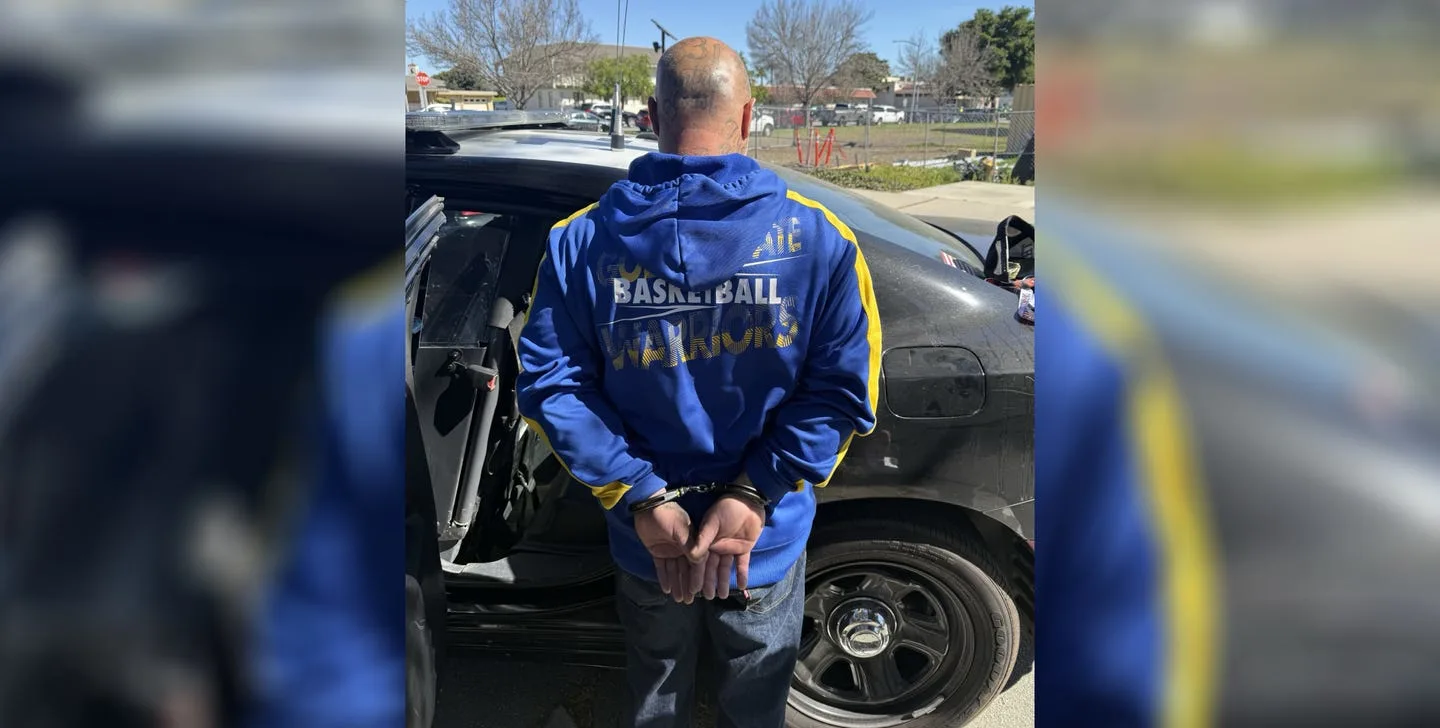
Most people facing auto theft charges try to keep a low profile before stepping into a courtroom. In Salinas, California, one suspect did the exact opposite—and it backfired instantly. A 41-year-old man already scheduled to answer for a stolen vehicle case was arrested again after allegedly driving another stolen car straight into the courthouse parking lot.
This wasn’t just bad timing. It was a move that piled legal trouble on top of an already serious situation, raising questions about repeat offenses, enforcement, and how these cases keep escalating.
What Led to the Arrest
The incident unfolded around 11 a.m. on March 24 at the Salinas Courthouse. Authorities say Ricardo Otero was expected to appear for a hearing related to a pending auto theft case. Instead of arriving quietly, he pulled into the courthouse parking lot behind the wheel of a vehicle that had been reported stolen out of San Jose.
Members of the Multi-Agency Detail Combating Auto Theft, known as MADCAT, were already in position and recognized the situation immediately. Before Otero even made it into the courtroom, officers stopped him outside and placed him under arrest.
There was no chase, no resistance, and no dramatic confrontation. But the simplicity of the arrest makes the situation even more striking. The suspect allegedly drove himself directly into custody.
Charges Stack Up Fast
Otero’s legal situation changed dramatically in a matter of minutes. What began as a scheduled court appearance quickly turned into a second arrest with additional charges layered on top.
Authorities say he now faces charges for unlawful driving or taking of a vehicle, committing a felony while released on bail or his own recognizance, and driving with a suspended license. These are not minor add-ons. Each new charge increases the potential penalties and complicates any defense strategy moving forward.
This is where the stakes escalate beyond a typical auto theft case. Being accused of committing another crime while already out on bail is the kind of detail that can significantly influence how the court handles sentencing and future release conditions.
Why This Hits Close to the Automotive World
For car enthusiasts, stories like this hit a nerve—but not for the reasons many outsiders assume. This isn’t about performance cars, car culture, or anything enthusiasts actually stand for. It’s about criminal behavior that continues to put pressure on the broader automotive community.
Auto theft remains a persistent issue, and repeat incidents like this only reinforce stricter enforcement measures and policy decisions that can impact everyone. Increased surveillance, tighter regulations, and expanded policing efforts often follow patterns of repeat offenses.
Drivers who respect their cars—and other people’s property—end up dealing with the consequences of actions like these. Insurance rates, vehicle security concerns, and even how certain cars are perceived can all be influenced by ongoing theft trends.
A Pattern Authorities Are Watching
The involvement of MADCAT in this case is not accidental. Multi-agency task forces like this exist specifically because auto theft has become organized, persistent, and difficult to control through standard policing alone.
When a suspect allegedly commits the same type of crime while already facing charges, it reinforces the idea that some offenders are not deterred by initial arrests or pending court cases. That’s exactly the type of pattern law enforcement agencies are built to track and disrupt.
From a broader perspective, this case shows how repeat offenses can escalate quickly from isolated incidents into a cycle that’s harder to break.
Legal and Real-World Consequences
The immediate outcome is clear: Otero is now in custody at Monterey County Jail, facing a more serious legal situation than before he arrived at court. But the ripple effects extend beyond one individual.
Cases like this can influence how judges approach bail decisions, how prosecutors pursue charges, and how aggressively law enforcement targets repeat offenders. It can also shape public perception around auto theft, reinforcing the idea that stronger measures are needed.
For everyday drivers, that can mean more oversight, more restrictions, and more scrutiny—even if they’ve done nothing wrong.
The Bigger Issue Behind the Headlines
At face value, this story sounds almost unbelievable. A man accused of stealing a car shows up to court in another stolen vehicle and is arrested again before even stepping inside. But underneath that headline is a more serious issue that keeps repeating across the country.
Auto theft isn’t just a one-time crime for some offenders. It can become a pattern, and when that happens, the consequences spread far beyond the individuals involved.
The real question isn’t just why this happened—it’s how many similar cases never get this level of attention, and what it will take to actually break the cycle.
 Eve Nowell