 By John Lloyd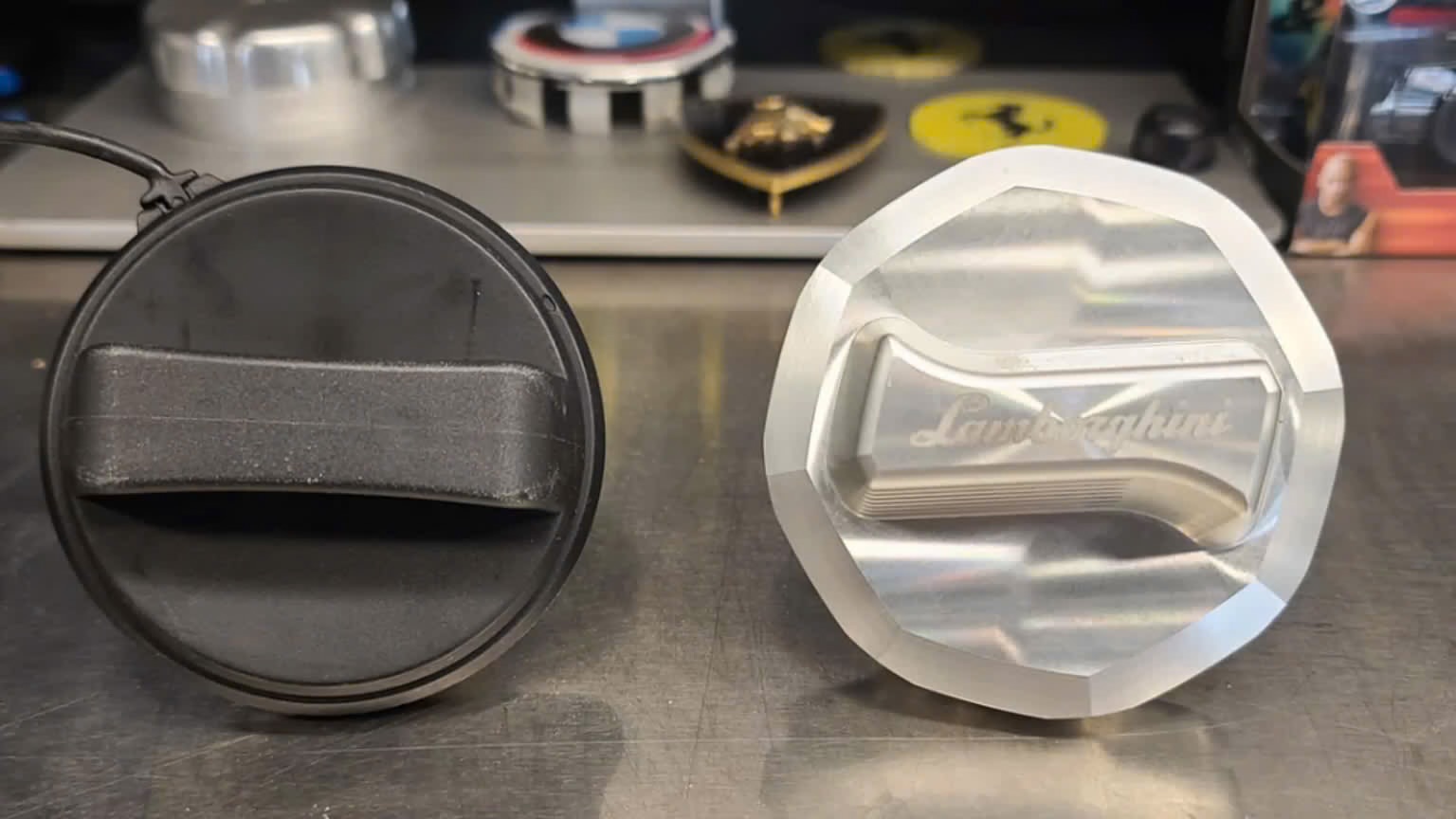
A routine repair on a Lamborghini Aventador has turned into one of the most talked-about automotive stories online, and for good reason. What started as a simple EVAP system fault quickly spiraled into a shocking estimate: roughly $1,300 for a replacement fuel cap. For most drivers, that price sounds absurd. For supercar owners, it’s a reminder that owning an exotic isn’t just about speed and style—it’s about paying the price, sometimes literally.
The story surfaced in an online mechanic community where technicians regularly share unusual repairs and shop experiences. In this case, a Lamborghini Aventador arrived with an EVAP fault, a common emissions-related issue that often points to something minor. Diagnosis led to the fuel cap, a component typically costing less than a tank of gas on most vehicles. That’s where things change.
Instead of a quick and inexpensive fix, the shop was quoted around $1,300 for the original equipment replacement. While premium pricing is expected in the world of exotic cars, even seasoned technicians were caught off guard. The idea of spending four figures on a gas cap quickly captured attention online, sparking debate about the true cost of maintaining high-end performance machines.
But here’s the part that matters. Rather than immediately ordering the expensive factory component, the technician took a closer look at the defective cap. Inside, subtle markings revealed something unexpected: components stamped with FoMoCo, the abbreviation for Ford Motor Company. That discovery opened the door to a creative solution.
Digging deeper, the technician identified a compatible fuel cap from a Ford Focus priced at roughly $40. Instead of replacing the entire Lamborghini assembly, the internal sealing mechanism from the Ford part was carefully transferred into the original Aventador housing. After reassembly and testing, the EVAP issue disappeared. No warning lights. No leaks. Just a fully functional fix at a fraction of the original cost.
The repair worked flawlessly, but the story didn’t end there. It ignited a broader conversation about parts sharing within the automotive industry, especially among high-end manufacturers. Lamborghini, as part of the Volkswagen Group, relies on a global network of suppliers. That means certain components—particularly emissions-related hardware—are standardized across multiple brands and models.
This practice helps streamline production and ensures compliance with strict environmental regulations. Yet it also creates situations like this one, where a mass-produced component is packaged within a bespoke assembly and sold at a dramatically higher price. The Aventador’s fuel cap combines off-the-shelf internal parts with a custom-designed exterior, resulting in a steep markup when purchased as a complete unit.
And that’s where it gets complicated. For enthusiasts and owners, stories like this highlight both the ingenuity of skilled technicians and the realities of exotic car ownership. While clever workarounds occasionally offer relief, they are the exception rather than the rule. Most supercar maintenance still comes with premium pricing, from routine servicing to replacement components.
The viral repair also underscores a truth many prospective buyers overlook. The purchase price of a Lamborghini is only the beginning. Even models considered relatively accessible on the used market, such as the Gallardo, come with ongoing expenses that far exceed those of conventional vehicles. Maintenance, parts, and specialized labor all contribute to the long-term cost of ownership.
Still, the Aventador gas cap incident serves as a fascinating example of how modern manufacturing practices shape the automotive landscape. Shared components are not unusual, even among elite brands, and they reflect the complex supply chains that define today’s industry. In rare cases, those shared parts can offer surprising solutions, saving owners significant money without compromising performance or reliability.
For drivers who admire exotic machines from afar, the story delivers both intrigue and caution. Yes, supercars represent the pinnacle of engineering and design, but they also demand a level of commitment that extends far beyond the showroom floor. A $1,300 fuel cap may sound outrageous, yet it perfectly illustrates the economics of operating a vehicle built without compromise.
In the end, this repair is less about a single part and more about the broader realities of high-performance ownership. Whether it’s a costly replacement or an ingenious workaround, the Aventador’s viral gas cap saga reminds enthusiasts that every detail matters—and sometimes, even a Ford part can keep a Lamborghini running as intended.
Via Reddit: u/Fixitsteven
 Shawn Henry