 By Shawn Henry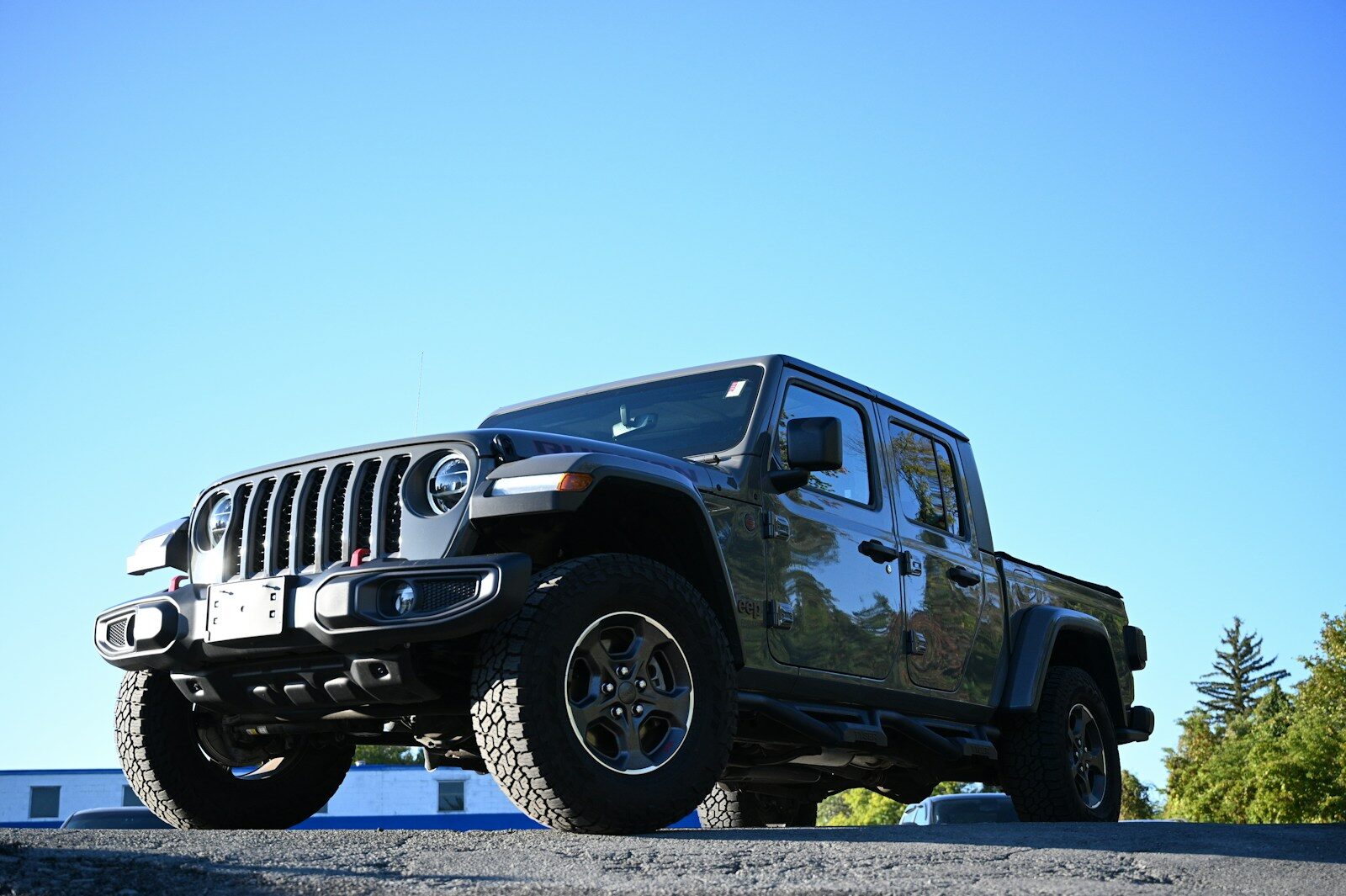
Jeep might be about to undo one of its more confusing recent decisions, and for once, that’s a good thing. The Gladiator is likely getting its manual transmission back, and it’s not just a nostalgic move. It feels like a direct shot at the Toyota Tacoma, which has been sitting alone as the only stick shift pickup left in the U.S.
That gap didn’t exist very long, but it mattered more than people think. Because once Jeep dropped the manual from the Gladiator, something disappeared with it. Not just a transmission option, but a piece of what that truck was supposed to be. Now it looks like Jeep is ready to fix that.
The story starts with the Gladiator’s recent refresh. For 2025, the truck got updates, but quietly, the six speed manual option vanished. No big announcement, no real explanation. One day it was there, paired with the 3.6 liter Pentastar V6, and then it wasn’t. Buyers who wanted to row their own gears were left with one option in the entire segment, and that was Toyota. That’s where things change.
At the Easter Jeep Safari, a comment from within the company started to point in a different direction. Jeep confirmed that a Wrangler-like vehicle would be getting its manual transmission back. They didn’t say Gladiator outright, but it doesn’t take much to connect the dots. There aren’t many vehicles in the lineup that fit that description. So now the expectation is clear. The Gladiator is coming back with a stick.
And honestly, it makes sense. Jeep never really stopped being one of the few brands that still understands what a manual transmission means to its audience. The Wrangler still offers one, and it remains one of the most accessible ways to get a manual SUV today. That’s not by accident. That’s identity.
The Gladiator was supposed to carry that same energy into the pickup world. When the manual disappeared, it felt like Jeep stepped away from its own playbook. But this isn’t just about brand philosophy. There’s a market argument too, and it’s starting to show itself again.
Manual transmissions aren’t completely dead. They’re rare, sure, but in certain corners of the market, they’re holding on. Enthusiasts are still choosing them, especially in vehicles built around capability or performance. Off road trucks fall right into that category. These aren’t commuter appliances. They’re tools, toys, sometimes both. And for that kind of driving, control matters.
That’s the part that gets overlooked when companies start cutting manuals to simplify production. Yes, it’s cheaper to build fewer configurations. Yes, most buyers still go automatic. But the ones who don’t are often the most engaged customers a brand has. Jeep knows that. Or at least, it used to. So why did the manual Gladiator disappear in the first place?
There’s no official explanation, but the likely reasons aren’t hard to figure out. Production streamlining during the refresh is one piece. When automakers update a vehicle, they often trim low demand options to make manufacturing easier. Manuals, unfortunately, are usually first on the chopping block. And then there’s the other issue. The recalls.
Earlier in the decade, both the Wrangler and Gladiator had problems tied to manual transmissions, specifically clutch related defects. Some of those issues weren’t minor. They raised safety concerns, which is exactly the kind of thing that makes a company rethink whether it wants to keep offering a particular setup. That’s where it gets complicated.
Because while those problems likely played a role in the manual’s disappearance, they may also explain why it can come back now. Reports from owners suggest updated components have addressed those earlier issues. If the hardware has improved, the risk changes. Suddenly, bringing the manual back isn’t just possible, it’s practical. And timing matters here.
The Tacoma has been holding down the manual pickup space alone, but it’s not like demand vanished. It just had nowhere else to go. If Jeep reenters that space, it doesn’t need to dominate it. It just needs to offer a real alternative. That alone could shift things.
Here’s the part that matters. This isn’t about chasing volume. Manual trucks are never going to be the majority. That’s not the point. The point is character. It’s differentiation. It’s giving buyers something that feels intentional instead of generic.
The Gladiator, when it has a manual, feels different. More mechanical, more connected. You’re not just pointing it down a trail and letting software figure it out. You’re part of the process. That’s the whole appeal. And it’s something the segment has been losing.
Look around at what still offers a manual today. It’s not random. It’s sports cars, enthusiast machines, vehicles that are built around engagement. The Gladiator fits into that world more than most pickups do. It’s not pretending to be something it isn’t. It’s already a niche truck with a specific purpose. Adding a manual back into the mix only sharpens that identity.
There’s also a bigger picture here. Automakers have been steadily moving toward uniformity. Fewer options, more automation, less variation. It makes sense from a business standpoint, but it comes at a cost. The driving experience gets flattened. Moves like this push back against that trend, even if only slightly. And that’s why this potential return matters more than it looks on paper.
If Jeep follows through, it’s not just bringing back a transmission. It’s reopening a choice that almost disappeared. It’s telling buyers that engagement still has a place, even in a segment dominated by convenience.
And it sets up something the market has been missing for a while. A real, head to head comparison between two manual trucks. Not theoretical. Not historical. Actual, current options.That’s something enthusiasts haven’t had in years.
Jeep doesn’t need to win that fight outright. It just needs to show up. Because the moment there are two choices instead of one, the entire conversation changes.
 John Lloyd
  Eve Nowell