 By Eve Nowell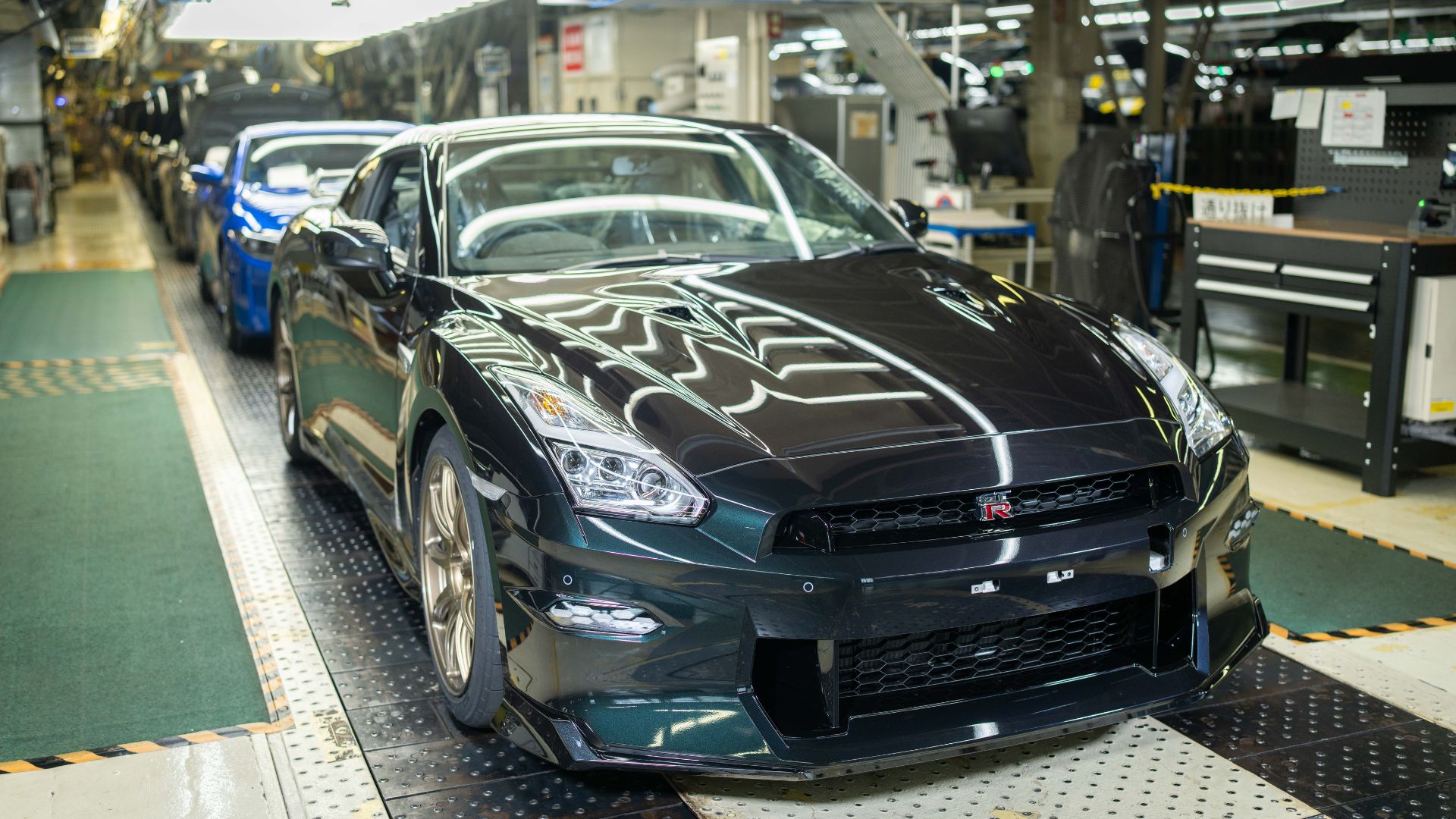
For a while, it looked like the Nissan GT-R was heading straight toward a fully electric future. Now that story is shifting, and not in a small way. New signals out of Nissan suggest the next GT-R won’t be an EV after all, and that changes everything for enthusiasts who thought Godzilla might lose its identity completely.
This isn’t just another product rumor. This is one of the most important performance cars in the world potentially dodging a full electric conversion at the last minute.
And yeah, there’s a lot riding on that decision.
What Nissan Is Actually Saying
The next GT-R, often referred to as the R36, is expected to arrive before the end of the decade. That part has been floating around for a while. The new twist is how it’s going to be powered.
Instead of going fully electric, Nissan is now leaning toward a hybrid setup. That means some level of electrification, but not a complete break from internal combustion. The company has made it clear that the car will still need to meet future emissions standards, which is where the hybrid angle comes in.
Here’s the part that matters.
The car is expected to be completely new from the ground up, including a fresh chassis. But under the hood, things might not change as drastically as people feared. There’s a real possibility the GT-R keeps a version of the VR38 twin turbo V6 that powered the R35 for nearly two decades, just updated and paired with new technology.
That’s not a small detail. That’s the difference between evolution and total reinvention.
Why the EV Plan Started Falling Apart
Not long ago, a fully electric GT-R seemed like the direction Nissan was heading. The industry as a whole has been pushing hard toward EVs, and performance cars haven’t been immune to that shift.
But here’s where things get complicated.
High performance EVs bring their own challenges. Weight, heat management, and driving feel all become major issues when you’re trying to build something that lives up to the GT-R name. This isn’t just about straight line speed. The GT-R built its reputation on balance, control, and repeatable performance under pressure.
A full EV setup might hit big numbers on paper. But numbers aren’t the whole story.
That’s likely part of why Nissan is now talking openly about hybridization instead. It gives them a way to meet emissions requirements without completely abandoning what made the GT-R what it is.
The Pressure From Both Sides
Nissan isn’t making this decision in a vacuum.
On one side, there’s regulatory pressure. Emissions rules aren’t getting easier, and any new performance car has to account for that. That’s non negotiable. Some level of electrification is basically required if the GT-R is going to survive long term.
On the other side, there’s the enthusiast base.
GT-R buyers are not casual customers. They’re deeply invested in what the car represents. For decades, the GT-R has been a symbol of raw performance, mechanical grip, and engineering that punches above its weight. Go too far toward electrification, and you risk losing that connection.
That’s where things change.
A hybrid GT-R starts to look like a compromise, but it might actually be the only way to keep both sides in play.
What This Means for the Car Itself
If Nissan follows through with this plan, the next GT-R won’t be a quiet revolution. It’ll be something more complicated.
You’ll likely get a familiar combustion engine at the core, supported by electric components that enhance performance and help manage emissions. That opens the door for things like instant torque fill and improved efficiency, without stripping away the character that defined the R35.
At the same time, it won’t be the same car.
Adding electrification changes weight distribution, complexity, and how the car behaves under different conditions. Even if the engine stays, the experience will evolve. It has to.
And that’s the balancing act Nissan is trying to pull off.
The Bigger Industry Shift Happening Around It
The GT-R isn’t the only car caught in this transition.
Across the performance world, automakers are rethinking how they move forward. Some are doubling down on EVs. Others are pulling back slightly, looking for ways to blend traditional engines with new tech. There’s no single path right now, and that uncertainty is showing up in decisions like this.
At the same time, competitors are exploring their own moves.
There are indications that rivals are considering bringing back high horsepower combustion models, even as the broader industry talks about electrification. That creates an interesting moment where performance cars are being pulled in multiple directions at once.
And the GT-R is right in the middle of it.
Why Enthusiasts Are Paying Attention
For drivers who care about cars beyond just transportation, this decision matters.
The GT-R has always been more than just a Nissan product. It’s been a benchmark. A car that proves you don’t need exotic pricing to deliver world class performance. Changing its formula too much risks losing that identity.
At the same time, doing nothing isn’t an option.
The R35 ran for 18 years. That’s an incredibly long lifecycle, and it shows how hard it is to replace a car like this. Whatever comes next has to justify its existence in a completely different automotive landscape.
That’s not easy.
The Reality Nissan Can’t Ignore
Nissan has already confirmed that the next GT-R will need some level of electrification. That’s locked in. The only real question is how far they go.
A hybrid approach gives them flexibility. It keeps the door open for performance gains while staying within regulatory limits. But it also introduces new challenges in terms of complexity and cost.
And let’s be honest.
There’s no scenario where everyone is happy with the result.
Purists will question any electrification. Others will argue it doesn’t go far enough. That’s the reality of building a performance car right now.
What Happens Next
Nissan is expected to share more concrete details by around 2028, with the car itself likely arriving before the decade ends. That leaves a lot of room for things to change, but the direction is becoming clearer.
The GT-R isn’t going fully electric. Not yet.
And that decision says a lot about where performance cars are right now.
The Question Hanging Over the GT-R
At the end of the day, this isn’t just about one car.
It’s about whether icons like the GT-R can adapt without losing what made them special in the first place. Hybrid power might be the bridge that keeps that identity alive, at least for now.
But it also raises a bigger question.
If even the GT-R has to compromise to survive, what does that mean for the future of every other driver focused car still trying to hold the line?
 Shawn Henry