 By Shawn Henry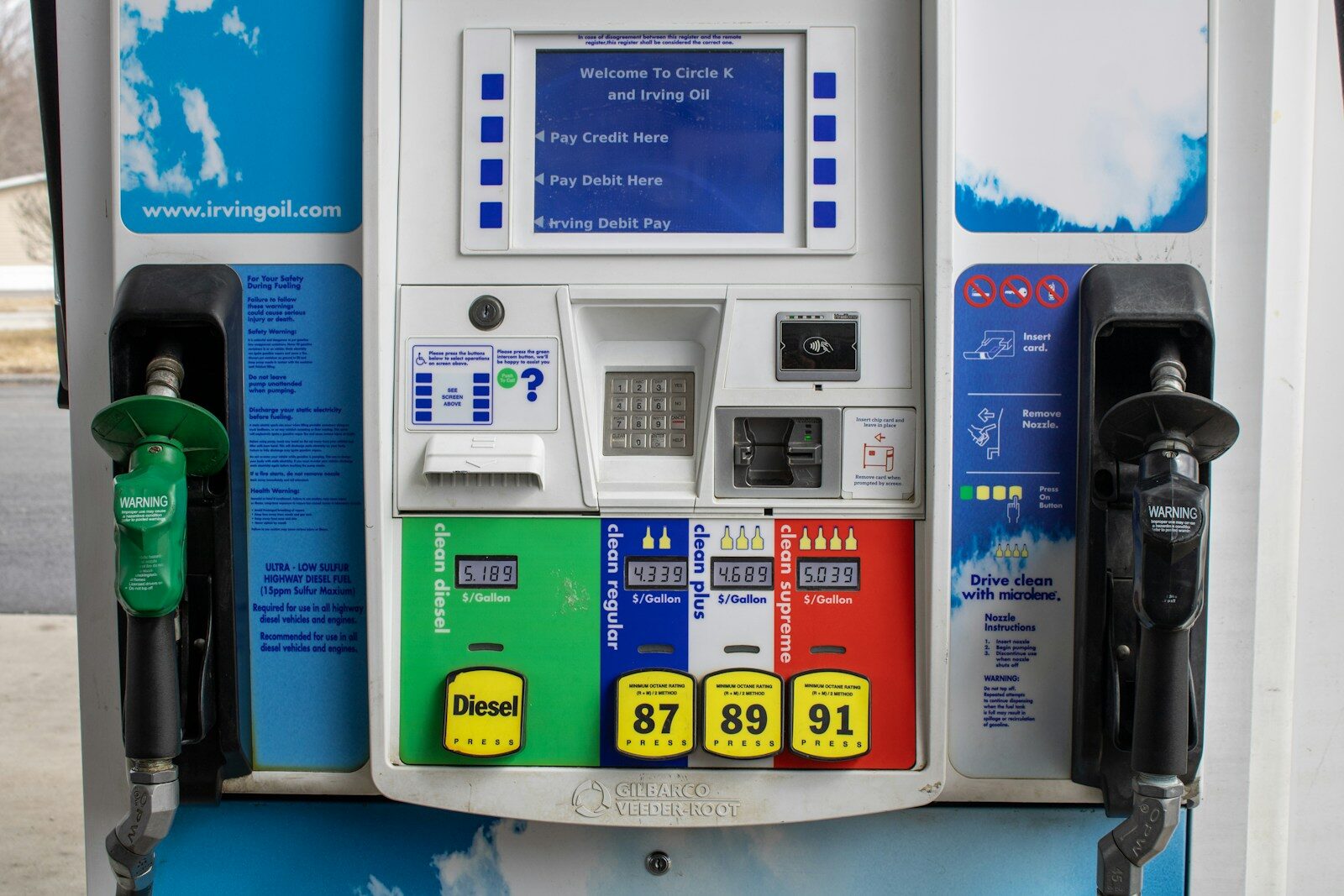
Gas prices across the United States have climbed to their highest level in nearly a year as escalating tensions in the Middle East begin to ripple through global energy markets.
According to AAA, the national average price for regular gasoline has risen to $3.25 per gallon, marking the highest level in 11 months. Prices jumped 9% in just one week, up from $2.98 per gallon, and analysts warn the increase may not be over yet as wholesale fuel costs continue to climb.
The surge is tied largely to rising oil prices following an escalation in the conflict involving Iran. Oil markets reacted sharply after reports that Iran launched a new wave of attacks targeting Israel, U.S. military bases, and other locations in the region.
Global crude benchmarks moved higher as concerns spread about potential disruptions to oil production and transportation routes. Brent crude, the international oil standard, rose 2.9% to $83.74 per barrel, while West Texas Intermediate (WTI), the main U.S. benchmark, climbed 4.6% to $78.15 per barrel.
Energy markets are particularly focused on the Strait of Hormuz, a critical shipping route off Iran’s coast through which roughly 20% of the world’s oil supply passes. Traffic through the narrow waterway was effectively halted earlier this week after Iranian forces reportedly attacked several vessels and warned additional ships against attempting to pass through the area.
Any prolonged disruption in the strait could have major consequences for global energy markets, as the passage is one of the most important oil chokepoints in the world.
Analysts say continued instability in the region could push oil prices significantly higher if supply interruptions persist. Some forecasts warn that crude oil could climb toward $100 per barrel if the conflict intensifies or shipping disruptions continue.
Such a spike would likely translate into even higher gasoline prices for consumers and could place additional strain on the global economy.
For drivers, the immediate impact is already being felt at the pump, with prices rising rapidly in many regions. If crude oil continues trending upward, fuel costs could remain elevated heading into the summer driving season.
 John Lloyd
  Eve Nowell