
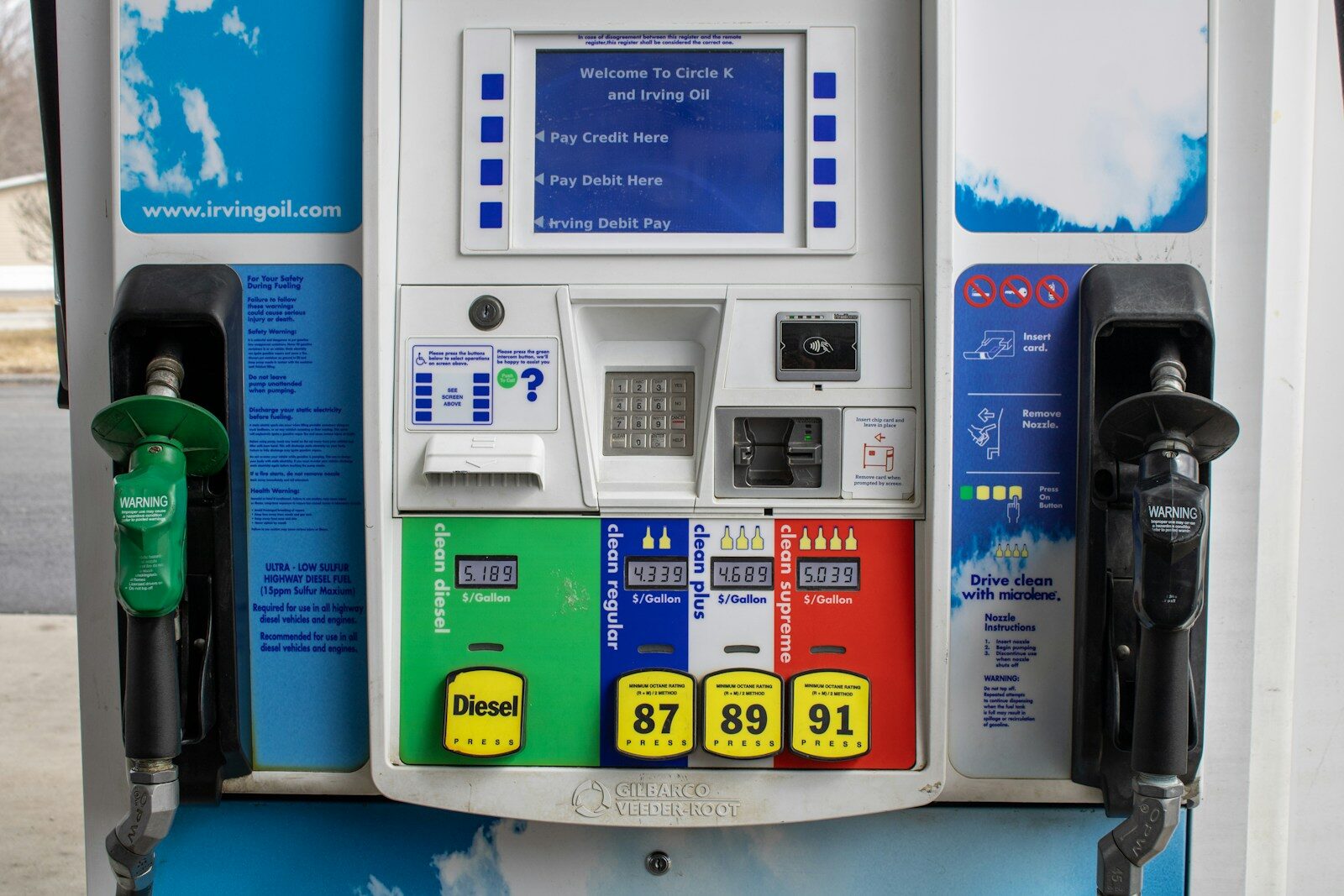
A 9 percent jump in a single week is the kind of move that gets noticed at the pump immediately, and this one traces back to attacks on vessels near one of the world’s most critical oil chokepoints.
The Numbers at the Pump
Gas prices across the United States have climbed to $3.25 per gallon on average, according to AAA — the highest level in 11 months, up 9 percent in just a week from $2.98. Analysts are warning the increase may not be finished yet, since wholesale fuel costs are still climbing.
What Actually Happened in the Strait of Hormuz
The spike traces back to an escalation in the conflict involving Iran, after reports that Iranian forces launched a new wave of attacks targeting Israel, U.S. military bases, and other sites in the region. Oil markets reacted immediately: Brent crude, the international benchmark, rose 2.9% to $83.74 per barrel, while West Texas Intermediate climbed 4.6% to $78.15 per barrel.
The more alarming detail for energy markets is what happened in the Strait of Hormuz specifically — the narrow shipping route off Iran’s coast that roughly 20 percent of the world’s oil supply passes through. Traffic through the strait was effectively halted earlier this week after Iranian forces reportedly attacked several vessels and warned other ships against attempting passage, turning a regional conflict into a direct threat to one of the most important oil chokepoints on the planet.
Why Analysts Are Watching $100 a Barrel
If the disruption in the strait persists, analysts warn crude could climb toward $100 per barrel, a threshold that would push gasoline prices considerably higher than what drivers are already seeing and add broader strain to the global economy. The size of that potential move depends entirely on how long shipping through the strait stays restricted and whether the conflict escalates further.
What This Means Heading Into Summer
For now, the impact is already showing up at the pump in many regions, and if crude keeps trending upward, elevated fuel costs could persist right through the start of the summer driving season — typically the point in the year when gasoline demand, and prices, climb anyway. That timing makes the current spike more than a short-term inconvenience for drivers watching their budgets heading into peak travel months.