 By Shawn Henry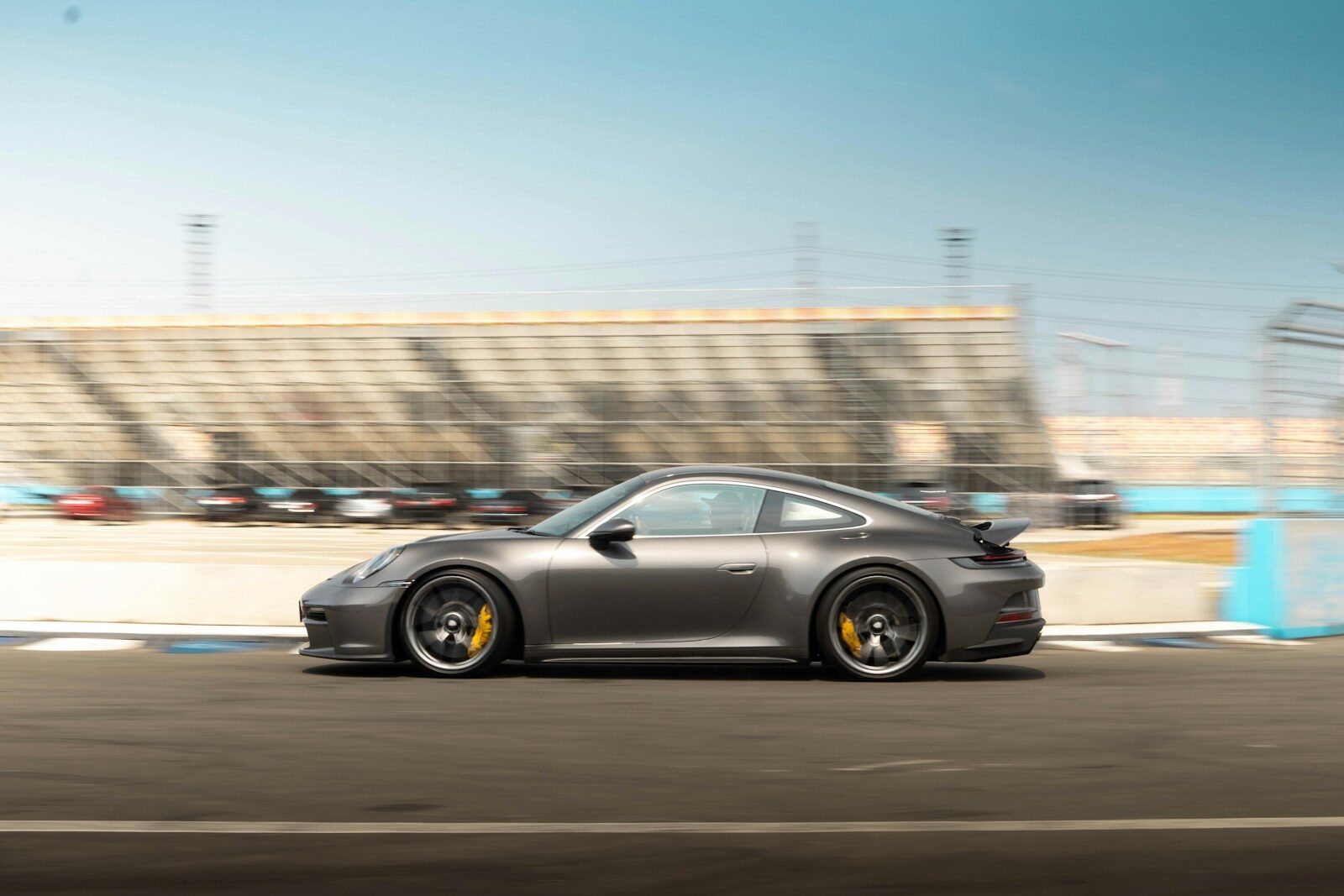
A Florida lawsuit claims Porsche and a Pennsylvania dealership sold a 2022 Porsche 911 GT3 for $281,940 while allegedly failing to disclose that the vehicle had been used as a technician training car. The buyer, Abdul Azizi, says he was told the nearly new sports car—with only 34 miles on the odometer—had been used strictly for display and marketing purposes before the sale. Court filings allege the vehicle was actually used in a training program where novice mechanics repeatedly disassembled and reassembled the car, ultimately leaving it with severe electrical problems and other mechanical issues.
The dispute centers on a GT3 that Azizi believed was essentially a showroom car. According to the lawsuit filed last month in Seminole County Circuit Court in Florida, the purchase took place after the buyer was assured the vehicle’s limited mileage reflected minimal use tied to promotional activity. The GT3 is one of Porsche’s most track-focused production models, a high-performance machine that commands a steep price and strong demand among enthusiasts. The vehicle’s condition and history are critical factors when a buyer agrees to pay nearly $300,000 for what is presented as a practically new sports car.
The first indication that something might be wrong surfaced shortly after the purchase was completed. Azizi reportedly asked the dealership for a copy of the vehicle’s window sticker, a document that typically lists the vehicle’s VIN, factory options, and original pricing details. According to the complaint, he was told the car did not have a window sticker available.
The day after taking possession of the GT3, Azizi says he discovered the sticker inside the glove compartment. According to court filings, the document contained a message printed in bold red letters stating the vehicle was not intended for retail sale. The wording identified the car as a Porsche Cars North America vehicle, a classification commonly associated with vehicles used for press fleets, demonstration purposes, or internal training programs.
Investigators reviewing the case say that label directly contradicts the claim that the vehicle had simply been used as a display unit. According to the lawsuit, the designation suggested the car had previously served a different internal purpose within Porsche’s operations. The buyer alleges that the dealership and Porsche failed to disclose that history before completing the sale.
The complaint states that the vehicle was allegedly used for approximately a year at a training facility designed for entry-level technicians. During that time, the GT3 was reportedly taken apart and reassembled multiple times as part of mechanical instruction exercises. That type of use, the lawsuit claims, subjected the car to repeated component removal and installation that could introduce mechanical problems if not handled correctly.
According to the filings, the consequences became clear after Azizi began experiencing major electrical faults. The vehicle was eventually examined by a Porsche-certified technician who determined the car showed signs of previous mechanical work consistent with extensive disassembly and reassembly. The technician’s assessment reportedly aligned with the theory that the vehicle had been used as a training platform rather than simply sitting on display.
As the problems escalated, the car reportedly became inoperable. Court filings allege the electrical issues were severe enough that the vehicle could not be repaired. The complaint states Azizi has not driven the GT3 since early 2025, leaving the nearly $300,000 sports car effectively sidelined for the better part of a year.
The financial stakes surrounding the case are significant. The Porsche 911 GT3 sits at the top end of the brand’s performance lineup, designed to deliver track-capable performance in a street-legal package. Buyers paying nearly six figures—or in this case nearly $300,000—expect a vehicle that meets strict quality and performance standards.
According to the lawsuit, the alleged undisclosed training use could have created both reliability concerns and potential safety risks. The complaint specifically raises concerns about undercarriage work that was allegedly performed improperly during prior disassembly. On a performance car engineered to withstand high-speed driving and track conditions, improper reassembly of key components could create serious mechanical problems.
Azizi has already secured a victory through Lemon Law arbitration tied to the defective vehicle. According to the filings, that arbitration decision requires Porsche to repurchase the GT3 from the buyer. While that ruling addresses the return of the vehicle, the lawsuit now underway could expand the dispute into a broader fraud claim against both the automaker and the dealership involved in the sale.
Porsche has not publicly addressed the details of the case. A company spokesperson stated only that the manufacturer does not comment on active litigation. The general manager of the Pennsylvania dealership named in the lawsuit has also declined to comment.
The window sticker discovered in the glove compartment could play a central role in the legal battle. Court filings highlight the document’s “not for sale” designation as a key piece of evidence that could complicate the defense if the vehicle was indeed sold to a retail customer despite that classification.
Within the auto industry, window stickers serve as one of the most important records tied to a vehicle’s identity and origin. The document includes details about factory equipment, pricing, VIN identification, and the vehicle’s intended sales status. When a dealership cannot provide a window sticker during a sale, it can raise questions about a vehicle’s background.
For buyers spending hundreds of thousands of dollars on high-performance cars, documentation becomes even more critical. Performance vehicles like the Porsche 911 GT3 often carry significant collector interest, and their value is closely tied to condition, mileage, and ownership history.
In this case, the lawsuit claims that the history presented to the buyer did not match the vehicle’s alleged past use. If the allegations are proven in court, the case could hinge on whether the dealership and manufacturer had a duty to disclose that the car had served as a training platform before being sold as a nearly new vehicle.
For now, the dispute remains active in Florida court. Porsche has been ordered through Lemon Law arbitration to buy back the vehicle, but the broader fraud claims will continue to move through the legal process as the case proceeds.
 John Lloyd
  Eve Nowell