
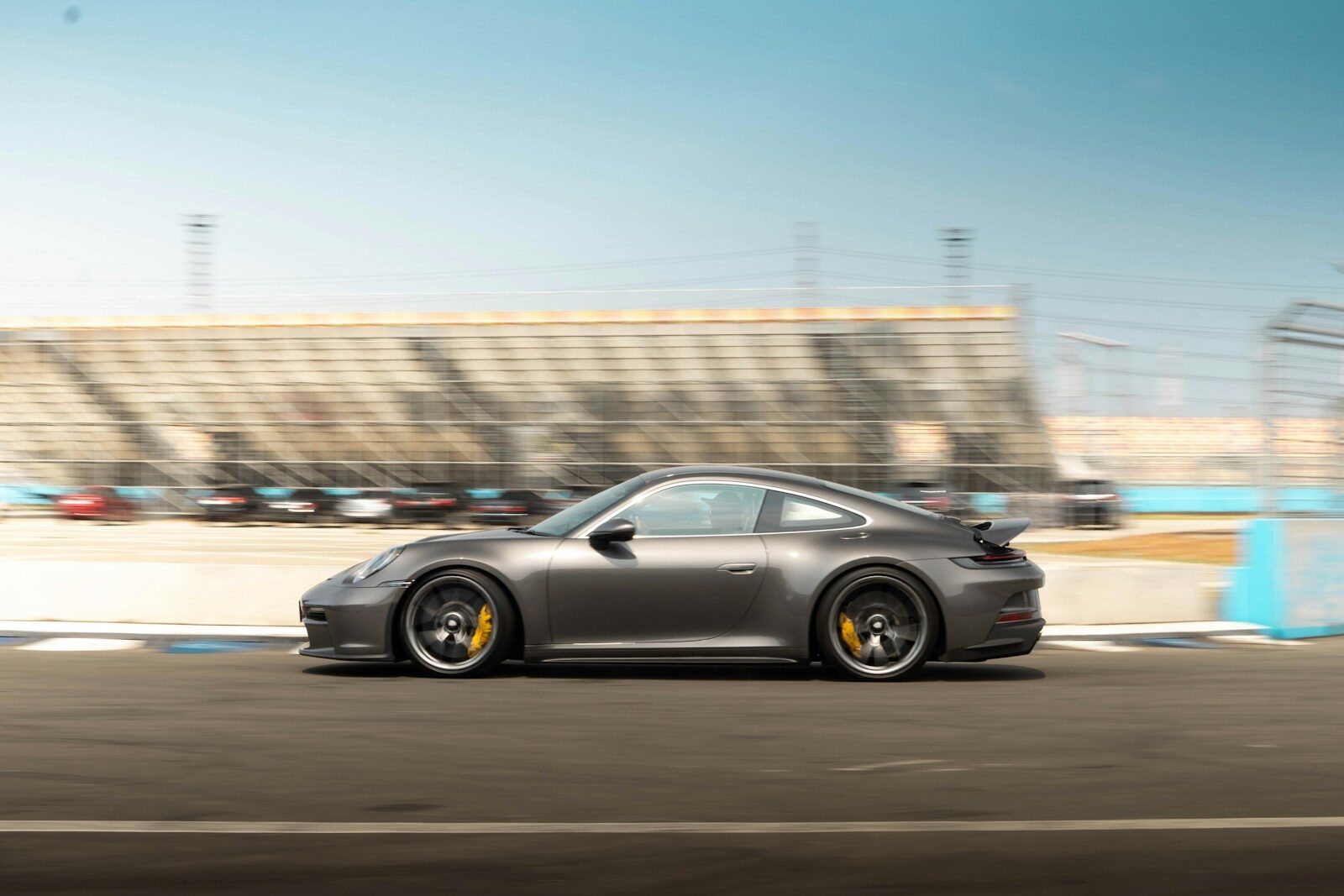
Porsche has already been ordered to buy back a $281,940 911 GT3 after a Lemon Law arbitration ruling. That should be the end of the story. Instead, it’s just the opening chapter of a much broader fraud lawsuit that could reshape how the case is remembered.
Two Separate Legal Tracks, One Car
Buyer Abdul Azizi’s dispute with Porsche and the Pennsylvania dealership that sold him the GT3 is actually running on two tracks at once. The first already resolved in Azizi’s favor: a Lemon Law arbitration decision requiring Porsche to repurchase the vehicle after it developed severe, ultimately unrepairable electrical problems. The second track — a broader fraud lawsuit filed in Seminole County Circuit Court — is where things get more complicated, alleging the car’s entire sale was built on an undisclosed history as a technician training vehicle.
What the Lawsuit Says Actually Happened to the Car
According to the complaint, the GT3 spent roughly a year at a training facility for entry-level technicians, where it was reportedly disassembled and reassembled multiple times as part of mechanical instruction exercises — the kind of repeated component removal that can introduce problems if not handled with factory-level care. A Porsche-certified technician who later examined the car reportedly found signs of prior mechanical work consistent with that theory, and the electrical faults that followed eventually left the car undriveable; Azizi says he hasn’t driven it since early 2025.
Why Porsche and the Dealership Aren’t Talking
Neither side has addressed the specific allegations publicly. A Porsche spokesperson said only that the company doesn’t comment on active litigation, and the Pennsylvania dealership’s general manager has similarly declined to comment — standard practice for defendants in active civil litigation, but it also means the window sticker discovered in the glovebox remains the most concrete piece of evidence in the public record so far.
Why a Piece of Paper Could Decide the Case
Window stickers exist specifically to document a vehicle’s VIN, factory options, pricing, and — critically in this case — its intended sales status. A car marked as not for retail sale reaching a retail buyer anyway raises a straightforward question the lawsuit is built around: did the dealership and Porsche have an obligation to disclose that history before taking Azizi’s money? For a car in the GT3’s price range, where value is closely tied to documented condition and ownership history, that’s not a minor technicality — it goes to whether Azizi got what he actually paid for.
What’s Left to Resolve
The buyback addresses the vehicle itself, but it doesn’t resolve the broader question of fraud, or what additional damages Azizi might be entitled to if the allegations hold up in court. That fight continues in Florida, where the case will determine whether a training car with a “not for sale” label ever should have reached a retail buyer’s driveway in the first place.