 By Shawn Henry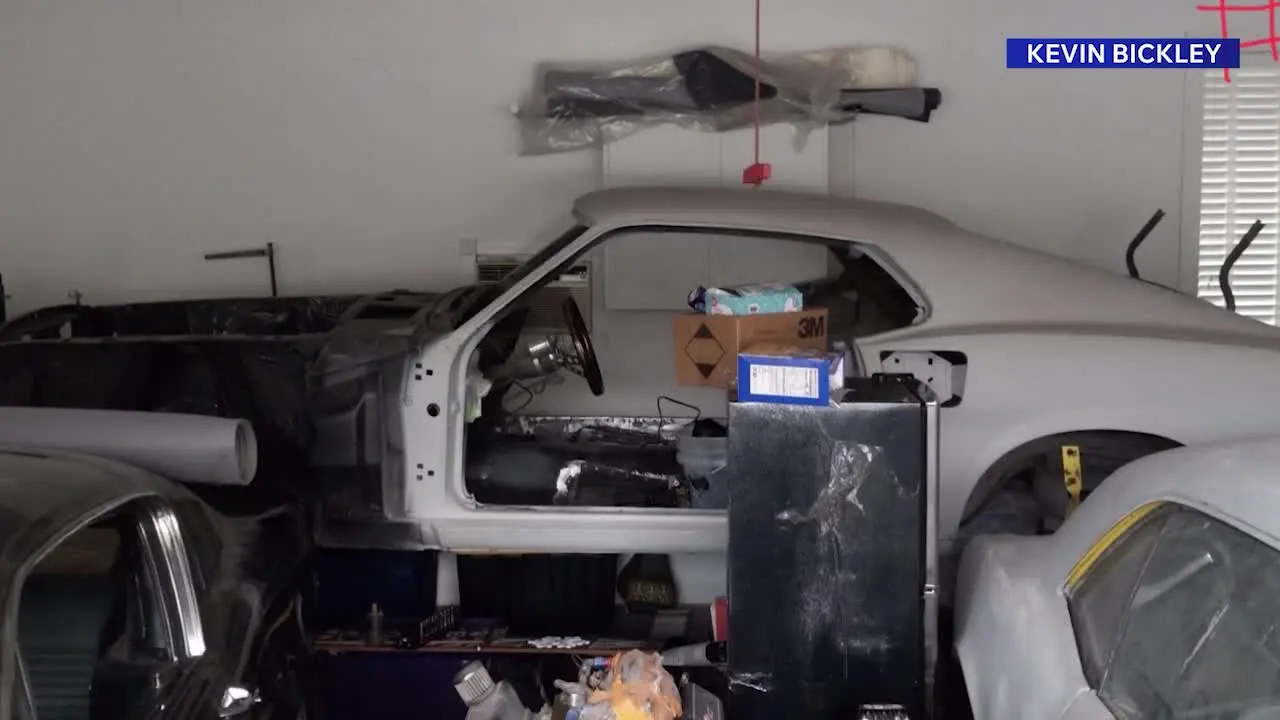
What started as a dream build for a classic 1969 Mustang turned into a five-year legal fight — and the ending is raising serious concerns about trust, money, and accountability in the restoration world.
A Knoxville man paid more than $24,000 to have his Mustang Mach 1 upgraded and modernized. Instead of getting back a finished car, he had to go to court just to retrieve what was left of it. When he finally did, the car wasn’t just incomplete — it was stripped down, missing major components, and arguably in worse condition than when he handed it over.
A Simple Build That Spiraled Out of Control
Back in October 2020, Kevin Bickley dropped off his Grabber Orange 1969 Mustang at a Sevierville shop, expecting a relatively straightforward transformation. The plan included cosmetic upgrades, a refreshed interior, a modern steering setup, and a new transmission.
He was given what sounded like a reasonable timeline. The work was supposed to be completed in about six months. Instead, that timeline stretched into years with little to show for it.
Over that period, Bickley didn’t just wait. He visited the shop repeatedly, even pitching in labor himself in an attempt to move things along. Despite those efforts, the car remained largely untouched in any meaningful way.
Deadlines Missed, Excuses Piled Up
As time dragged on, communication became a cycle of missed promises and shifting explanations. Bickley was told everything from staffing issues to health problems were behind the delays.
At one point, legal representatives for both sides exchanged messages, and the shop agreed to prioritize the Mustang. That commitment didn’t translate into action. Deadlines continued to come and go without progress.
Meanwhile, the car sat disassembled. Key parts were removed, including major structural components like the axle and suspension. When Bickley finally got the vehicle back, those parts were not returned, leaving him with more questions than answers.
From Frustration to Courtroom Battle
By late 2025, the situation had reached a breaking point. Bickley filed a lawsuit in Sevier County to recover his car. The only way he was able to regain possession was through legal action.
He wasn’t the only one.
Another customer, who paid more than $25,000 to have a vintage truck restored, found himself in a similar position. After months of waiting with no meaningful progress, he also took the shop to court and successfully retrieved his vehicle.
Two separate builds. Tens of thousands of dollars paid. Both ending in legal disputes just to get unfinished vehicles back.
Criminal Charges Add Another Layer
The situation escalated even further when the shop owner was indicted in 2023 on multiple felony charges related to controlling customers’ vehicles. The charges involve allegations tied to multiple individuals and their cars.
Despite those charges, the legal process has moved slowly. No trial has taken place yet, even years after the indictment.
That delay only adds to the frustration for customers who feel they’ve already spent years trying to recover what’s theirs.
Two Sides, One Messy Situation
The shop owner disputes the claims and insists no wrongdoing occurred. According to his side, the project took longer due to additional issues with the vehicle and unpaid invoices.
He also maintains that the customer could have retrieved the car years earlier and that the extended timeline wasn’t solely his responsibility.
That disagreement highlights a core issue in restoration disputes — a lack of clear accountability once a project drags on and communication breaks down.
Why This Hits Hard for Car Enthusiasts
For anyone in the car community, especially those invested in classic builds, this story hits close to home. Restoration projects are built on trust. Owners hand over valuable vehicles — often with deep personal meaning — along with significant amounts of money.
When that trust breaks down, the consequences aren’t just financial. They’re emotional.
This wasn’t just any car. A 1969 Mustang Mach 1 is a highly sought-after piece of American performance history. Watching it sit for years, only to be returned in worse condition, represents more than a failed transaction. It’s a loss of time, money, and confidence in the system.
A Bigger Problem in the Restoration World
This situation also shines a light on a broader issue. The restoration industry operates in a space where timelines are flexible, costs can escalate, and oversight is often limited.
That combination can create opportunities for misunderstandings at best — and serious disputes at worst.
When projects go off track, customers can find themselves stuck. Their car is in someone else’s possession, partially disassembled, and difficult to move without legal action. It’s a scenario that leaves owners with very few good options.
The Real Question Moving Forward
In the end, this case isn’t just about one Mustang or one shop. It’s about what happens when accountability disappears in a high-dollar, high-trust corner of the automotive world.
Because if it takes five years and a lawsuit just to get your own car back — and it comes back in pieces — what does that say about the protections enthusiasts actually have?
And more importantly, how many other builds are sitting in shops right now, quietly heading toward the same outcome?
Source
 Eve Nowell
  John Lloyd