 By John Lloyd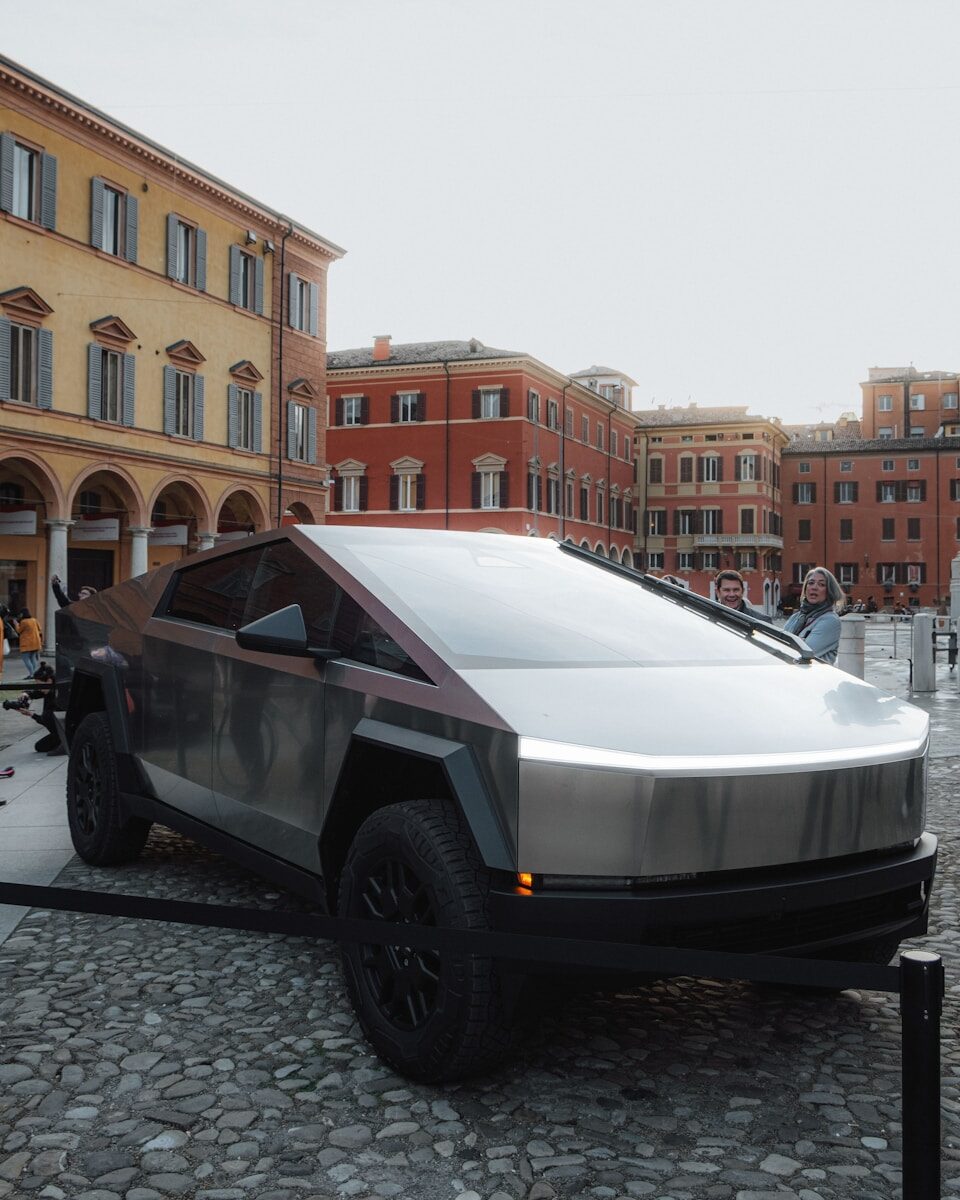
A Texas woman has filed a lawsuit seeking more than $1 million from Tesla after her Cybertruck crashed into a concrete barrier while operating on Autopilot in Houston. According to the complaint, the crash occurred in August 2025 as she was driving on the 69 Eastex Freeway approaching the 256 Eastex Park and Ride. The lawsuit alleges the vehicle failed to follow the curve of a Y-shaped overpass and instead continued straight toward a concrete barrier, resulting in a collision.
Court filings state the Cybertruck was operating in Autopilot mode as it approached the split in the roadway. On the overpass, where traffic was required to veer right, the vehicle allegedly continued forward toward the barrier and the freeway below. The plaintiff claims she attempted to disengage the self-driving system and take control of the steering wheel, but the intervention came too late to prevent the crash. The impact with the barrier allegedly caused injuries and damages, though the lawsuit does not detail the extent of any physical injuries, the vehicle’s speed at the time of impact, whether airbags deployed, or the total repair costs.
The suit accuses Tesla of negligent and grossly negligent conduct related to the design and marketing of its driver-assistance systems. It claims the company failed to provide effective active emergency braking and did not include LIDAR technology to enhance the vehicle’s vision capabilities. The complaint also alleges the automaker did not properly design warnings or instructions for the self-driving features and failed to adequately warn drivers about potential limitations. In addition, the lawsuit challenges Tesla’s advertising of its Full Self-Driving system, arguing that the branding misleads consumers about the vehicle’s capabilities.
Beyond technical complaints, the filing includes allegations related to corporate leadership, claiming negligent hiring and retention practices involving CEO Elon Musk and asserting that his involvement in product design decisions contributed to unsafe outcomes. The list of grievances outlined in the lawsuit is extensive and targets both the engineering and promotional aspects of Tesla’s advanced driver-assistance systems.
The case arrives amid broader legal scrutiny involving Tesla’s Autopilot and Full Self-Driving features. In December, a judge ruled that the company’s marketing of those systems was deceptive, a decision Tesla is contesting. The lawsuit also follows a separate federal court ruling in which a judge declined to overturn a $243 million jury verdict tied to a fatal 2019 crash involving Autopilot in Florida.
In this Texas case, the plaintiff is seeking damages exceeding $1 million for what she alleges was a preventable crash tied to system performance and insufficient warnings. Tesla has not publicly responded to the specific allegations outlined in this lawsuit. The case will proceed through the court system as both sides prepare to argue whether the crash stemmed from driver error, system limitations, or broader design and marketing issues tied to the vehicle’s automated features.
 Shawn Henry