
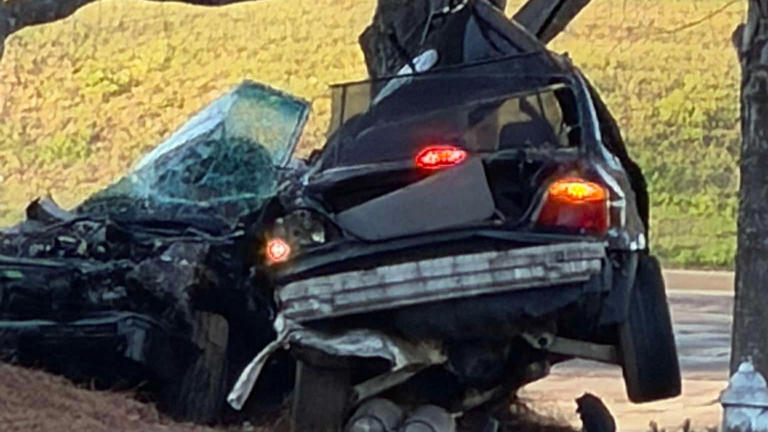
A late-night illegal street race in Lawrenceville, Georgia has turned into a criminal case with life-changing consequences on both sides. Gwinnett County police say an 18-year-old driver now faces a homicide charge after a multi-car race on public roads ended in a crash that killed a 28-year-old driver. A contest that lasted only moments has already escalated into a major legal battle, and it’s fueling tougher enforcement against street racing across the region.
Authorities say the driver accused of taking part in the race, identified as Alan Yair Vazquez Catalan, 18, left the scene after the crash before investigators tracked him down. His arrest is being pointed to as an example of how modern surveillance tools are reshaping street racing enforcement, and why local officials are sending a clear warning to anyone tempted to treat public roads like a racetrack.
10 Car Accessories You’ll Actually Use
What Police Say Happened
According to Gwinnett County police, the crash happened during what investigators describe as an illegal street race, with multiple vehicles reportedly traveling at high speed when things spiraled out of control. A crash during the race ultimately claimed the life of a 28-year-old driver. Investigators say the exact sequence leading up to the moment of impact is still being worked out, but police have said the circumstances of the race played a direct role in the fatal outcome.
Illegal street racing has been a persistent concern for law enforcement for decades, but cases involving a death immediately raise the legal stakes. Georgia prosecutors can pursue homicide charges when reckless or illegal driving contributes to someone’s death, and this case moved in that direction quickly.
Leaving the Scene Changed Everything
Investigators say Vazquez Catalan left the scene rather than remaining at the location, a decision that authorities say transformed what might have been a reckless-driving investigation into something far more serious. Leaving the scene of a fatal crash can carry severe penalties on its own, especially layered on top of other allegations already on the table.
Police say they eventually located and questioned Vazquez Catalan about the events of that night. According to investigators, he admitted to racing and to witnessing the crash before driving home, statements that authorities say have become a central part of the case now moving through the courts. It’s worth noting that these remain allegations and admissions cited by police, not proven facts adjudicated in court, and Vazquez Catalan is presumed innocent unless and until convicted.
How License Plate Readers Cracked the Case
Drivers who fled illegal races used to have a real shot at disappearing before police could identify them. That’s changed fast as cities and counties roll out automated surveillance technology. In this case, Gwinnett County police say they used Flock license plate readers to track the vehicle involved, with the camera network scanning passing vehicles and logging plates to help investigators reconstruct where the car traveled after the crash.
For agencies dealing with street racing, plate-reader networks have become one of the more powerful investigative tools available. Drivers banking on vanishing into the night after a race are increasingly finding out that the cameras watching public roads tell a different story.
Gwinnett County’s Tougher Stance on Street Racing
This fatal crash lands at a moment when Gwinnett County is already cracking down harder on illegal racing. Local leaders recently approved an ordinance giving police expanded authority over vehicles tied to street racing incidents, allowing officers to impound a vehicle connected to a race for up to 30 days.
That’s a real escalation from simply writing citations or making arrests. Pulling a car out of circulation for a full month hits younger enthusiasts especially hard, both financially and logistically, once impound fees and towing costs start adding up. Officials are betting that tougher penalties will discourage drivers from turning public streets into makeshift race tracks.
Why This Keeps Happening
Illegal street racing isn’t new, it’s been part of underground car culture for decades. What’s changed is how easily social media and messaging apps let racers organize a meetup on short notice, and how much faster modern performance cars are compared to previous generations. That extra performance is thrilling on a closed course and dangerous surrounded by traffic and pedestrians on a public street.
Law enforcement agencies nationwide continue to wrestle with enforcement versus prevention. Enthusiasts often push for more legal racing venues and track access, yet illegal races keep showing up on city streets anyway, and when they go wrong, the consequences can be severe.
The Legal Exposure Racers Underestimate
One of the most common misunderstandings around street racing is just how much legal exposure participants carry if something goes wrong. Many treat it as reckless fun without weighing the potential aftermath, but prosecutors increasingly view racing fatalities through the lens of criminal liability rather than a simple traffic citation. When a death occurs during an illegal race, participants can face serious charges up to and including vehicular homicide, depending on the circumstances, which is exactly the legal reality now playing out in Gwinnett County.
What It Means for Car Culture
Most enthusiasts already understand the line between responsible performance driving and dangerous behavior, which is precisely why organized track days and sanctioned drag strips exist. Illegal street racing, by contrast, creates situations that routinely put innocent drivers and bystanders at risk who had nothing to do with the race itself.
Cases like this one also tend to fuel broader crackdowns that reach the entire car community. When a fatal incident makes headlines, lawmakers and local officials often respond with stricter enforcement, more surveillance, and harsher penalties that end up affecting enthusiasts who had nothing to do with the incident that prompted the change.
A Case Still Working Through the System
The Lawrenceville case is still moving through the legal system, but its ripple effects are already visible. An 18-year-old faces a homicide charge, a 28-year-old driver lost their life, and Gwinnett County is reinforcing its commitment to aggressive enforcement against illegal racing.
For drivers tempted to test a car on public streets, the case is a blunt reminder that a few minutes of adrenaline can turn into years of legal consequences. As more cities adopt surveillance technology and harsher penalties, the question facing the car community isn’t going away: will illegal street racing keep thriving in the shadows, or will tragedies like this finally push more drivers toward safer, sanctioned places to race?