 By Shawn Henry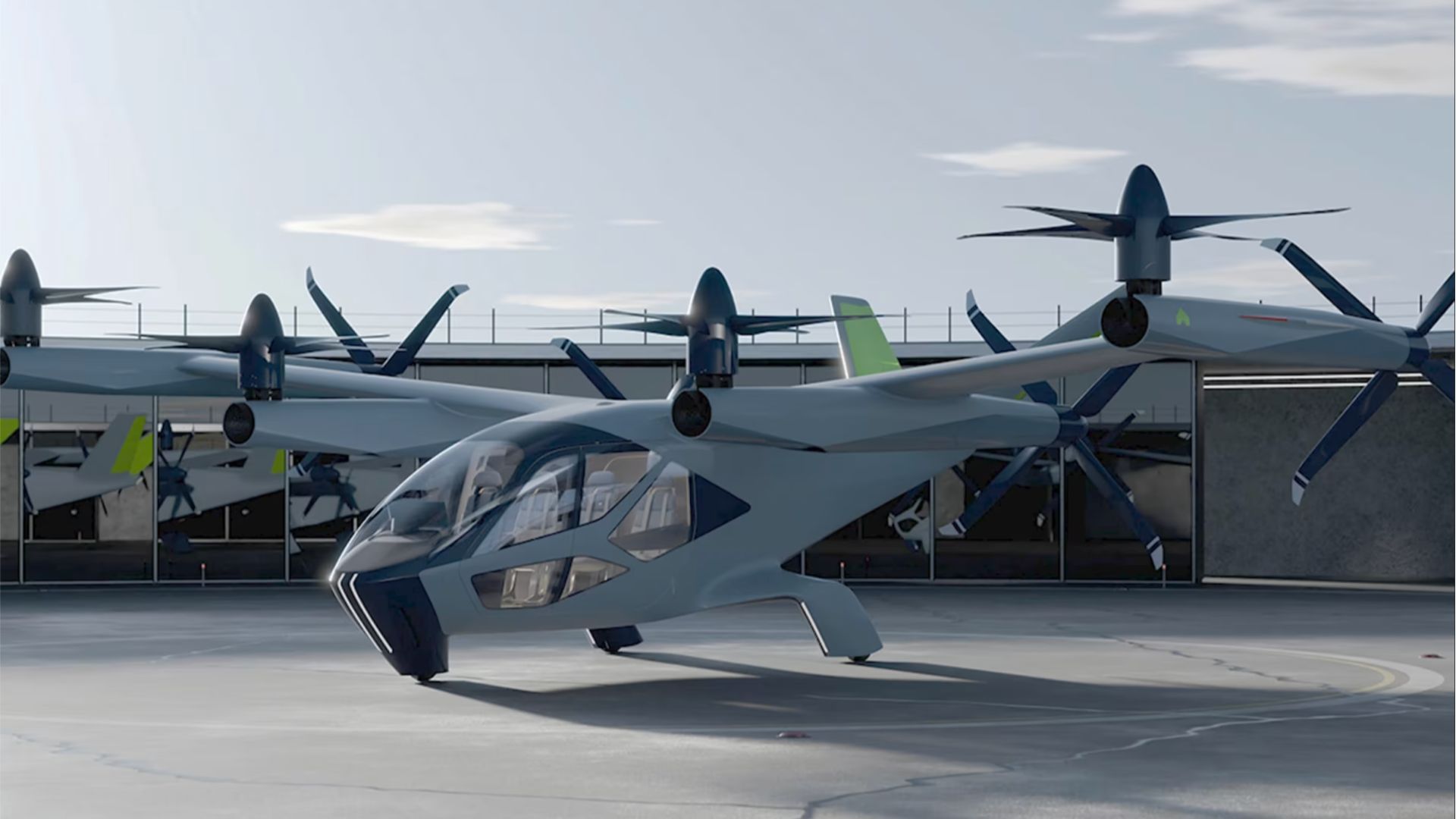
A Hyundai Motor Group-backed aviation startup developing electric air taxis has eliminated roughly 80 percent of its workforce as the company restructures operations. Supernal, the California-based advanced air mobility company funded with approximately $1.7 billion from Hyundai, cut 296 jobs across facilities in Orange County, Fremont, and a testing site in Mojave, leaving the company with fewer than 80 employees.
Authorities within the company confirmed the layoffs last week as part of a plan to consolidate operations and restructure the business around a smaller workforce. The cuts affect multiple engineering and development teams tied to the company’s electric vertical takeoff and landing aircraft program. Following the layoffs, Supernal will centralize its remaining staff at its Irvine, California headquarters while attempting to stabilize development efforts tied to its experimental aircraft platform.
The reductions come during a period of widespread layoffs across the technology sector and parts of the automotive industry. U.S. employers announced more than 108,000 layoffs in January 2026 alone, representing a sharp increase from the same period a year earlier. Many technology companies attribute job reductions to restructuring tied to artificial intelligence investments, while parts of the automotive sector are experiencing separate pressure from slowing electric vehicle demand and shifting investment priorities.
Supernal’s layoffs highlight how difficult the advanced air mobility sector has become as companies attempt to turn futuristic transportation concepts into working aircraft. The company was launched by Hyundai Motor Group to develop a commercial electric air taxi designed to transport passengers across cities using vertical takeoff and landing technology. That vision remains in place, but the company now faces the immediate challenge of controlling costs and refining its aircraft program with a much smaller team.
According to company officials, the restructuring is intended to align staffing levels with the next phase of aircraft development. The company stated the layoffs were part of a broader strategic pivot aimed at ensuring long-term viability as engineers continue working toward a market-ready aircraft design. Hyundai Motor Group continues to position Supernal as the centerpiece of its advanced air mobility strategy, even as the startup dramatically shrinks its workforce.
Supernal relocated its operations from Washington, D.C., to California in 2023, concentrating development and testing in Southern California and the Mojave Desert. The company’s facilities in Orange County and Fremont were tied to engineering, development, and testing work on the company’s electric aircraft platform. The Mojave site played a role in flight testing tied to the project’s autonomous aviation technology.
The layoffs follow earlier workforce reductions at the company. Last summer, Supernal cut roughly 10 percent of its staff in an earlier restructuring move. At the time, the company was already adjusting timelines tied to development of its prototype aircraft while reviewing progress on key systems needed to support autonomous flight.
At the center of the project is the S-A2 electric vertical takeoff and landing aircraft. The aircraft concept was designed to carry four passengers and a pilot over distances of up to 60 miles before requiring a battery recharge. The aircraft relies on multiple electric rotors to allow it to lift off vertically like a helicopter before transitioning to forward flight similar to a conventional airplane.
The goal behind the design is to create a short-distance urban air taxi capable of reducing travel times across congested metropolitan areas. Hyundai and other companies developing similar aircraft envision a network of small takeoff and landing hubs that would allow passengers to bypass traffic by traveling above cities. However, turning that concept into a reliable commercial service has proven difficult across the industry.
Supernal has encountered delays while attempting to demonstrate its autonomous flying systems during test operations in Mojave. Development of the aircraft’s self-flying capabilities has progressed more slowly than originally anticipated. In September 2025, the company paused development of portions of the program to review the project and determine the next steps for the aircraft platform.
That pause appears to have been a turning point for the company’s restructuring plans. The current layoffs signal a shift toward stabilizing the project while engineers focus on refining the aircraft design and building a business model capable of supporting commercial operations.
Supernal is not the only company facing challenges in the emerging air taxi sector. Several major aerospace manufacturers and startups have slowed or halted similar projects in recent months as the cost and complexity of developing electric aircraft becomes clearer.
Advanced air mobility divisions connected to Airbus and Textron have either suspended or canceled development programs tied to electric vertical takeoff aircraft. Those companies cited technological challenges and financial risks associated with bringing the aircraft to market. Developing aircraft capable of safely carrying passengers while meeting aviation certification standards has proven to be far more complex than early projections suggested.
At the same time, several competing companies continue pushing forward with their own aircraft development programs. Firms including Joby Aviation, Archer Aviation, and Vertical Aerospace have reported progress in testing and certification efforts tied to their electric aircraft designs.
Joby Aviation, in particular, has been working toward launching an air taxi service in partnership with Uber. The companies are targeting Dubai as the first location for commercial operations and have announced plans to begin service in 2026. That project is still under development and could face delays depending on regulatory approval and regional conditions.
Despite the challenges facing the sector, Hyundai Motor Group continues to present advanced air mobility as part of its long-term transportation strategy. The company created Supernal specifically to lead development of aircraft technology while integrating aviation into Hyundai’s broader mobility vision.
For now, however, the immediate priority for the startup is survival. With fewer than 80 employees remaining, Supernal will focus on refining its aircraft concept and restructuring the business around a smaller, more concentrated team. Engineers will continue development work from the company’s Irvine headquarters as the project moves into its next phase.
The company has confirmed that aircraft development remains underway, though on a narrower scale following the layoffs. Supernal’s restructuring marks one of the most significant workforce reductions in the advanced air mobility sector as the company attempts to keep its ambitious flying taxi project alive.
 John Lloyd