
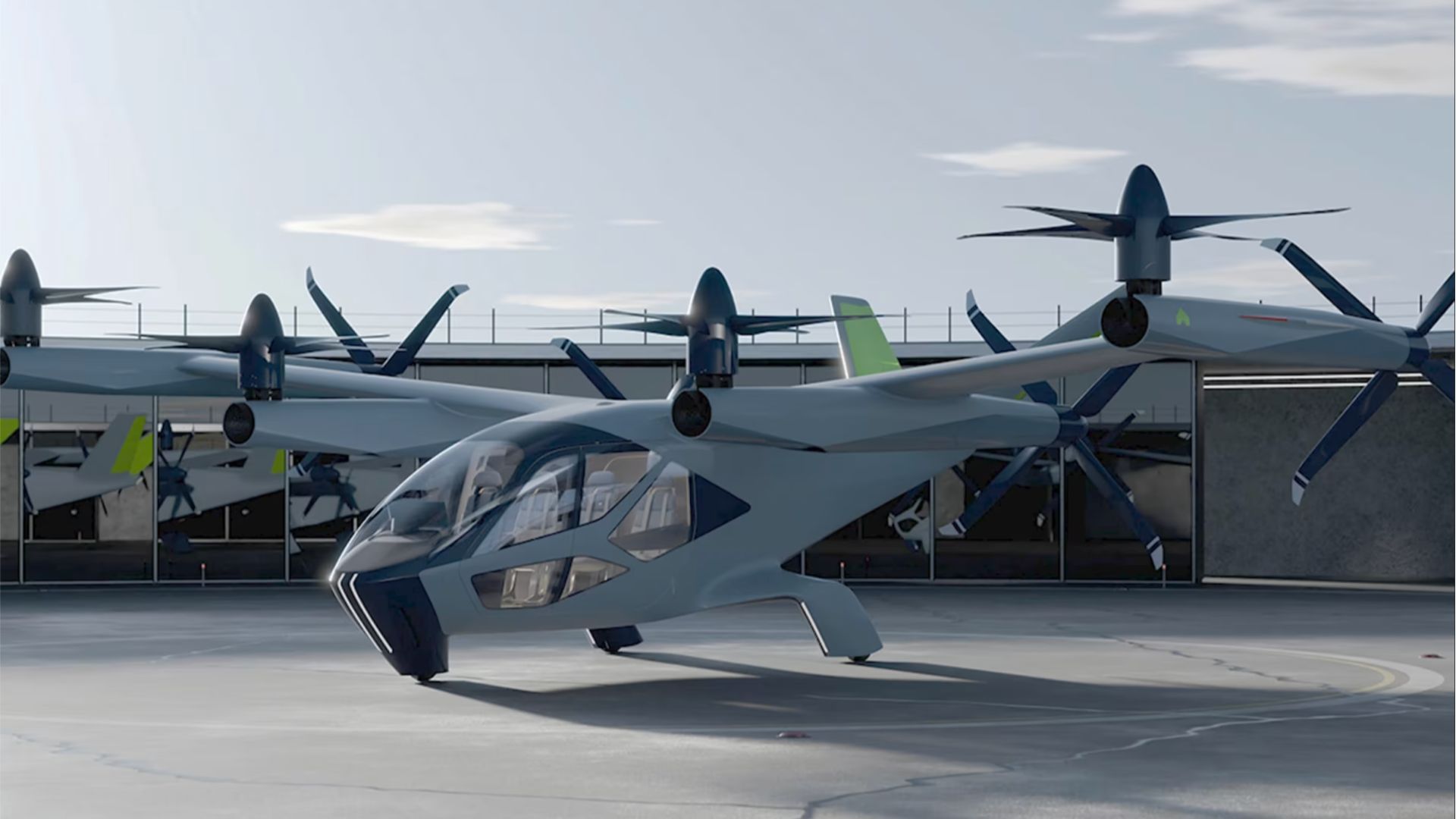
From a workforce big enough to run engineering, development, and flight testing across three facilities to fewer than 80 people in one office — that’s the scale of the retreat at Supernal, the electric air taxi startup backed by roughly $1.7 billion from Hyundai Motor Group.
The Cuts, By the Numbers
Supernal eliminated 296 jobs across its Orange County and Fremont facilities and its Mojave testing site, roughly 80 percent of its workforce, consolidating the remaining staff at its Irvine, California headquarters. It’s not the company’s first round of cuts either — Supernal trimmed about 10 percent of its staff last summer while already adjusting development timelines, making this month’s reduction a far more drastic escalation rather than an isolated event.
Why September Looks Like the Turning Point
The layoffs trace back to a pause the company initiated in September 2025, when it stopped portions of the program to review progress and determine next steps. Central to that review: the S-A2, Supernal’s electric vertical takeoff and landing aircraft, designed to carry four passengers and a pilot up to 60 miles on a charge using multiple electric rotors to lift off like a helicopter before transitioning to forward flight. According to the company, its self-flying systems have progressed more slowly than expected during testing in Mojave — exactly the kind of technical delay that tends to force a broader financial reckoning.
An Industry-Wide Reckoning, Not Just a Supernal Problem
Supernal’s struggles fit inside a much larger wave: U.S. employers announced more than 108,000 layoffs in January 2026 alone, a sharp jump from the year before, driven partly by tech-sector restructuring around AI investment and partly by slowing EV demand rippling through the auto industry. But the advanced air mobility sector specifically has been hit hard — air taxi divisions tied to Airbus and Textron have suspended or canceled their own electric VTOL programs, citing the sheer difficulty of meeting aviation certification standards while controlling costs.
Who’s Still Standing
Not every competitor is pulling back. Joby Aviation, Archer Aviation, and Vertical Aerospace have all reported continued progress in testing and certification. Joby in particular is working with Uber toward launching commercial air taxi service in Dubai, targeting a 2026 start — though that timeline still depends on regulatory approval and could shift depending on regional conditions.
What Comes Next for Supernal
Hyundai Motor Group says it’s still committed to advanced air mobility as part of its broader transportation strategy, and Supernal says aircraft development continues, just on a dramatically smaller scale from Irvine. Whether a sub-80-person team can carry a $1.7 billion aircraft program through certification and into commercial service is now the real test — and the layoffs mark one of the most significant contractions the advanced air mobility sector has seen to date.