 By Eve Nowell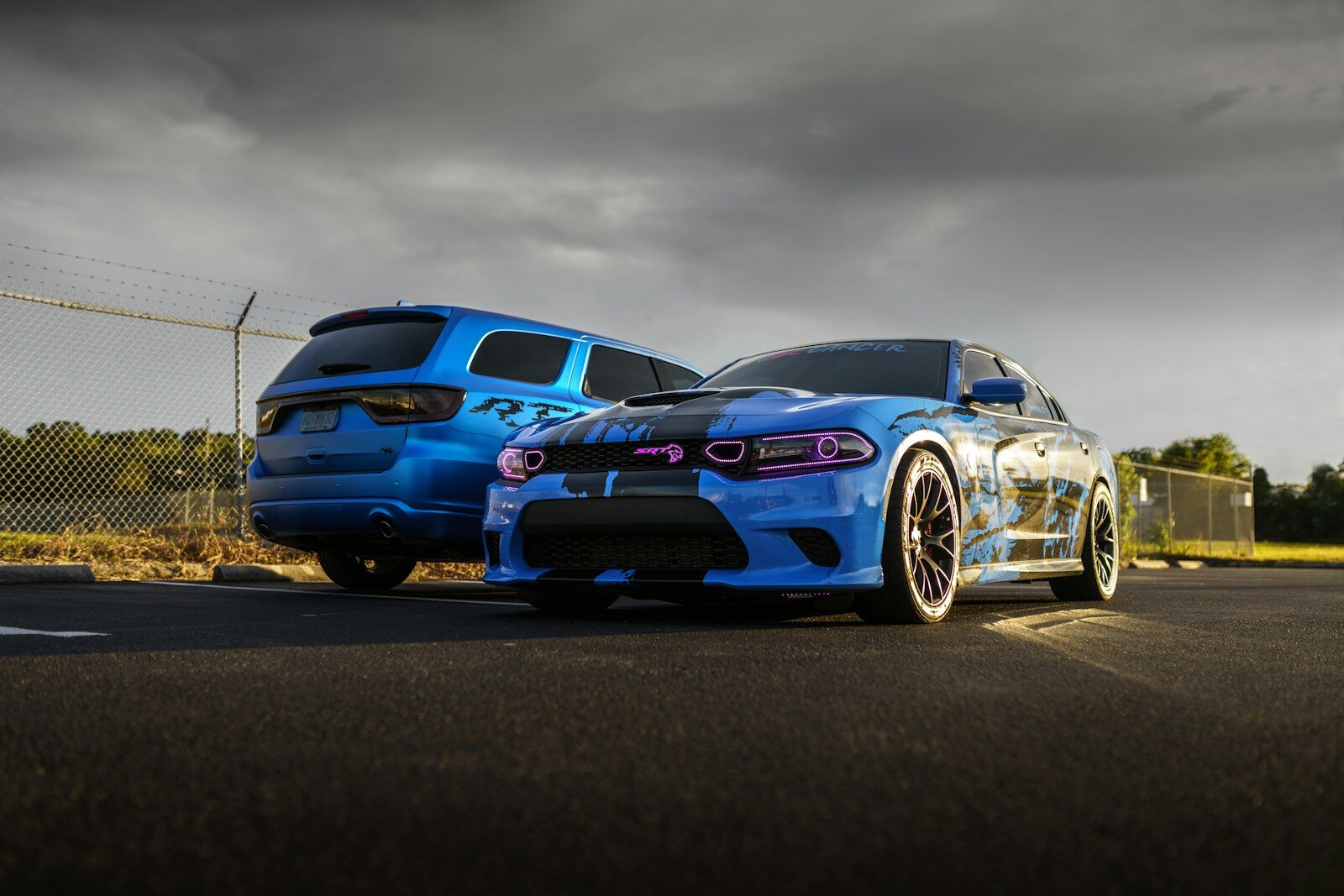
The Dodge Charger Hellcat could return to the muscle car lineup, according to industry insiders, potentially restoring the supercharged V8 powertrain that defined the brand’s modern performance era. Reports indicate Dodge has approved plans to bring the Hellcat variant back to the Charger range after strong backlash from longtime enthusiasts following the company’s shift toward electric and six-cylinder power. If the plan moves forward as described, the revived Hellcat would arrive as part of the 2028 model year lineup, putting the car in U.S. showrooms as early as the second half of 2027.
The reported decision comes after Dodge ended production of its previous-generation Charger sedan and Challenger coupe in December 2023. Those models closed out their run with a series of “Last Call” editions that marked the end of the company’s Hemi V8 muscle car era at the time. The transition away from V8 engines sparked a strong response from loyal Dodge buyers who had associated the brand’s identity with high-horsepower internal combustion performance for nearly two decades.
Sources connected to automotive outlet Mopar Insiders claim the new Charger Hellcat has received internal approval, though Dodge has not publicly confirmed the program. According to the report, the Hellcat would sit at the top of the Charger lineup as the only version powered by a V8 engine. Other gasoline-powered variants would reportedly continue using six-cylinder engines instead.
That structure would allow Dodge to maintain a performance flagship without fully reversing its broader transition to newer powertrain technologies. The Hellcat nameplate carries significant weight in the American performance market, and its absence from the next-generation Charger lineup initially raised concerns among buyers who saw the V8 as central to the brand’s appeal.
Dodge leadership has previously indicated that if a V8 returned to the Charger lineup, it would most likely be the supercharged 6.2-liter Hellcat engine rather than smaller Hemi variants used in other Stellantis vehicles. The company’s SRT performance division, which oversees high-performance models across the Dodge and Ram brands, has signaled that the Hellcat powertrain remains the most recognizable and capable option in the brand’s performance portfolio.
In its previous applications, the 6.2-liter supercharged Hellcat V8 delivered some of the highest horsepower figures ever offered in a production American muscle car. Depending on the specific model and tuning, the engine produced between 707 horsepower and as much as 1,025 horsepower in extreme variants. Those numbers helped cement the Hellcat’s reputation as one of the most powerful production engines ever installed in a mainstream performance vehicle.
If the engine returns in the next-generation Charger, it would immediately reclaim the model’s position as the brand’s highest-performance internal combustion offering. Reports suggest the Hellcat version would be the only Charger equipped with a V8, making it a clear flagship above the rest of the lineup.
Lower trims in the gasoline-powered Charger family are expected to continue using the twin-turbocharged Hurricane inline-six engine currently offered in the model. That powertrain produces up to 550 horsepower, placing it well above traditional V6 performance levels and keeping the Charger competitive with other modern performance sedans and coupes.
The Hurricane engine also reflects a broader shift within the Stellantis portfolio toward turbocharged six-cylinder platforms that deliver strong output while meeting evolving efficiency requirements. Even so, the move away from the traditional Hemi V8 drew criticism from muscle car loyalists who viewed the engine as a defining element of the Dodge brand.
If the Hellcat returns as reported, it would represent a partial reversal of that shift while still allowing Dodge to maintain its updated engine strategy across the broader lineup. Industry observers note that offering the V8 only in a top-tier trim would allow Dodge to maintain the Hellcat legacy without committing to widespread V8 production across multiple models.
Pricing could also reflect the Hellcat’s position as the brand’s ultimate performance option. Current estimates suggest the revived Charger Hellcat could carry a price close to $80,000. That figure would place it significantly above the six-cylinder Charger Scat Pack coupe, which currently starts at just over $60,000 in the United States.
Despite lacking a V8 engine, the latest six-cylinder Charger variants still deliver serious performance numbers. Equipped with a variable all-wheel-drive system capable of switching to rear-wheel drive, the current Charger coupe and sedan can accelerate from zero to 60 miles per hour in approximately 3.9 seconds. That level of performance keeps the vehicle firmly within modern muscle car territory even without the distinctive sound and character of a supercharged V8.
Still, for many buyers, the Hellcat name represents more than just acceleration figures. The engine’s signature supercharger whine, massive horsepower output, and reputation for extreme performance became central to Dodge’s marketing and brand identity during the previous generation of Charger and Challenger models.
Reintroducing the Hellcat could allow Dodge to reconnect with that legacy while still moving forward with its next generation of performance vehicles. The company has been reshaping its lineup as the industry transitions toward new technologies, and the Charger’s redesign marks one of the most significant changes in the model’s history.
For now, the Hellcat revival remains unconfirmed by Dodge. The automaker has not officially announced plans to bring the V8 back to the Charger lineup or provided details about potential timelines for future performance variants.
If the reports prove accurate, muscle car fans may still face a long wait. The next-generation Hellcat would not arrive until the 2028 model year, meaning buyers could be waiting until late 2027 before the supercharged V8 makes its return to Dodge showrooms. Until then, the future of the Hellcat remains tied to insider reports and the possibility that one of America’s most recognizable performance engines may yet roar back to life.
 Shawn Henry