 By Eve Nowell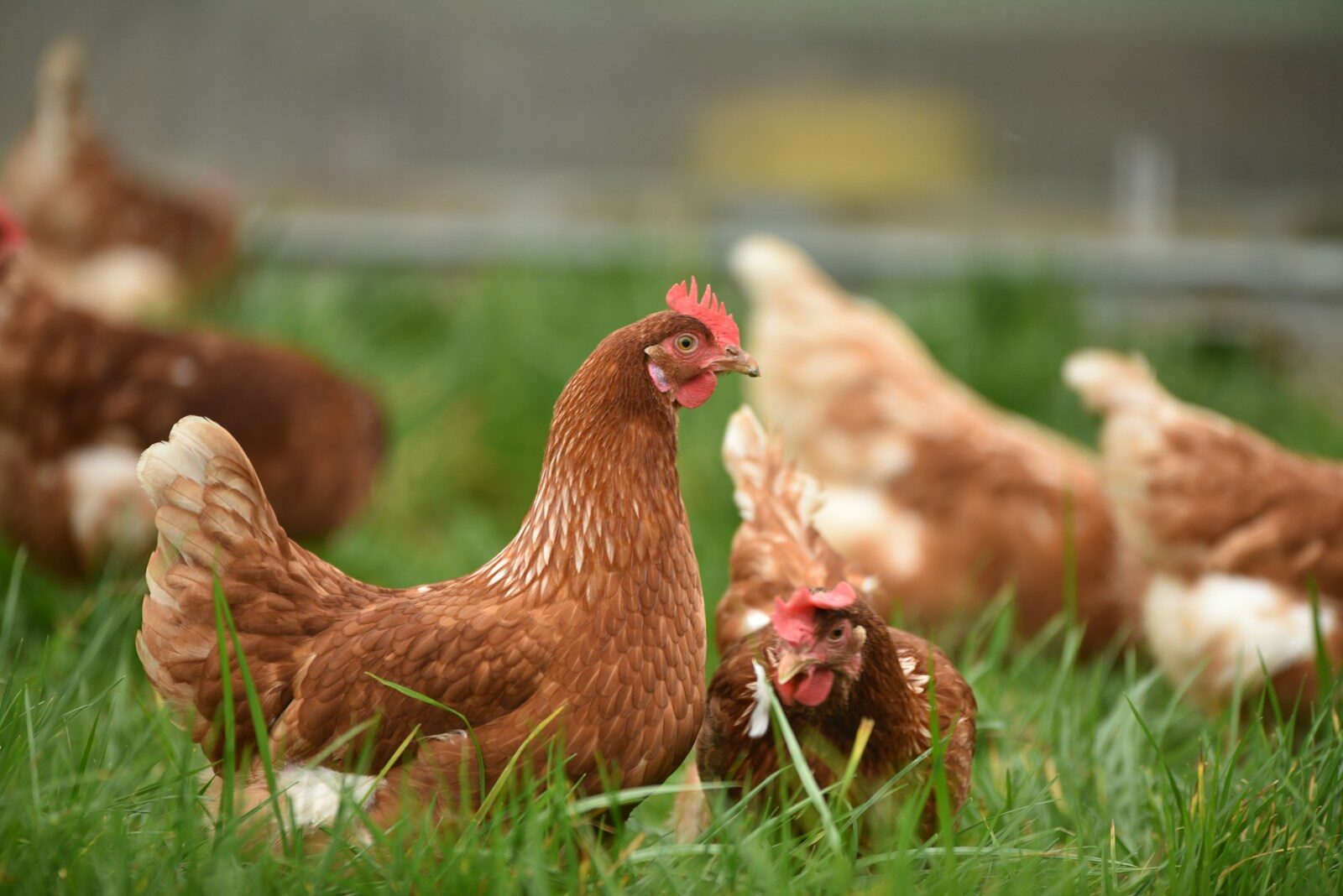
Los Angeles police chases are usually intense, chaotic, and impossible to look away from. But in one bizarre moment caught live from above, a news helicopter broadcast veered completely off course—and into something no one expected. Instead of focusing on the kind of high-speed pursuit that defines LA traffic coverage, a reporter became fixated on a pair of chickens casually walking through a neighborhood.
It was the kind of moment that instantly cut through the noise. While viewers tuned in expecting flashing lights and dangerous driving, they got something entirely different: a rooster, a chicken, and a reporter who couldn’t help but narrate the scene like it was breaking news.
What Was Supposed to Be Happening
The helicopter was in the air for a reason. These aerial units typically track police activity, often covering pursuits that can quickly escalate into dangerous situations for drivers and pedestrians alike. In a city known for high-speed chases, the expectation is clear—stay locked on the action, keep viewers informed, and don’t miss a moment.
But live broadcasting doesn’t always follow the script. With cameras rolling and no reset button available, what the reporter saw below suddenly became more interesting than the story he was supposed to cover.
Instead of sticking to the chase or traffic situation, the focus shifted. And once it did, there was no going back.
The Moment Everything Changed
From the helicopter, the reporter spotted something unusual on the streets below. Not a suspect vehicle or a roadblock—but a rooster and a chicken strolling together through a neighborhood in East Los Angeles.
What followed wasn’t analysis or updates. It was pure, unscripted commentary. The reporter openly acknowledged the birds, calling attention to them with clear enthusiasm. The rooster, in particular, caught his attention, described in a way that made it sound like it had just entered a show ring rather than wandered into a live news feed.
As the camera zoomed in, the tone shifted completely. Instead of urgency, there was calm. Instead of tension, there was humor. The reporter even narrated the pair as if they were simply out enjoying the day, highlighting the weather and their casual walk through the neighborhood.
A Rare Break From the Chaos
Moments like this stand out because they break the pattern. Los Angeles traffic coverage, especially from the air, is typically relentless. It’s about speed, danger, and constant movement. There’s little room for distraction, and even less room for humor.
But here, for a brief stretch, everything slowed down. The focus wasn’t on sirens or risk—it was on something completely ordinary, almost peaceful. That contrast is exactly what made the moment land.
For viewers used to the intensity of chase coverage, seeing a reporter pause to admire a rooster felt almost surreal. It was a reminder that even in a city known for nonstop action, unexpected moments can still steal the spotlight.
Reality Sets Back In
Of course, live television doesn’t allow for long detours. After a few moments of chicken commentary, the reality of the situation caught up with the broadcast. The reporter acknowledged that the scene he was covering wasn’t exactly aligned with the expected story and began to pivot back.
It was a subtle but telling shift. The humor gave way to professionalism, and the focus returned to whatever had originally brought the helicopter into the air. The chickens faded into the background as quickly as they had taken center stage.
Still, the damage—or depending on your perspective, the magic—was already done.
Why Moments Like This Go Viral
There’s a reason clips like this spread quickly. They tap into something different than standard news coverage. In a world where most broadcasts stick to a rigid structure, unscripted moments feel real.
This wasn’t staged. It wasn’t planned. It was a reporter reacting in real time to something unexpected, and that authenticity is what makes it stick.
For car enthusiasts and drivers, who often see aerial coverage tied to accidents, enforcement, and high-speed pursuits, this kind of moment offers a rare shift in tone. It turns a familiar format into something unpredictable.
The Bigger Picture Behind the Humor
While this moment is undeniably funny, it also highlights the nature of live reporting—especially in a car-centric city like Los Angeles. News helicopters are part of the automotive landscape, tracking movement, documenting incidents, and providing a real-time view of how the city operates.
When that coverage breaks from the norm, even briefly, it reveals just how structured and intense the usual format is. It also shows how quickly attention can shift when something unexpected appears.
In a way, it’s a reminder that not every moment on the road—or above it—is about chaos. Sometimes, it’s just about what happens to cross the camera’s path.
What This Says About Modern Coverage
This incident may seem small, but it reflects a larger truth about modern media. Audiences don’t just want information—they respond to personality, spontaneity, and moments that feel unscripted.
The reporter didn’t just deliver a story. He reacted, and that reaction became the story. It’s a shift that continues to shape how news is consumed, especially in environments where attention is constantly competing with everything else on screen.
For drivers watching from below, it’s a strange thought. While traffic moves, laws are enforced, and incidents unfold, the narrative can change in an instant depending on what gets noticed from above.
A Moment That Stuck
In the end, the high-speed chase—or whatever story was originally unfolding—wasn’t what people remembered. It was the rooster. It was the chicken. And it was the brief moment when a live broadcast traded urgency for something completely unexpected.
That’s what makes this stand out. Not the scale, not the stakes, but the unpredictability.
Because if a routine helicopter broadcast in Los Angeles can suddenly turn into a spotlight on two birds crossing the street, it raises an interesting question—how much of what we see on the road is about the story itself, and how much is about who’s telling it?
 Shawn Henry
  John Lloyd