
A Tesla Cybertruck owner from Houston, Texas is suing the automaker for $1 million over what she describes as a near-fatal failure that put both her and her infant in immediate danger, and the case now hinges on a data dispute playing out partly in public.
According to the lawsuit, the all-electric pickup was operating in Full Self-Driving mode when the incident happened in August 2025 on Houston’s 69 Eastex Freeway.
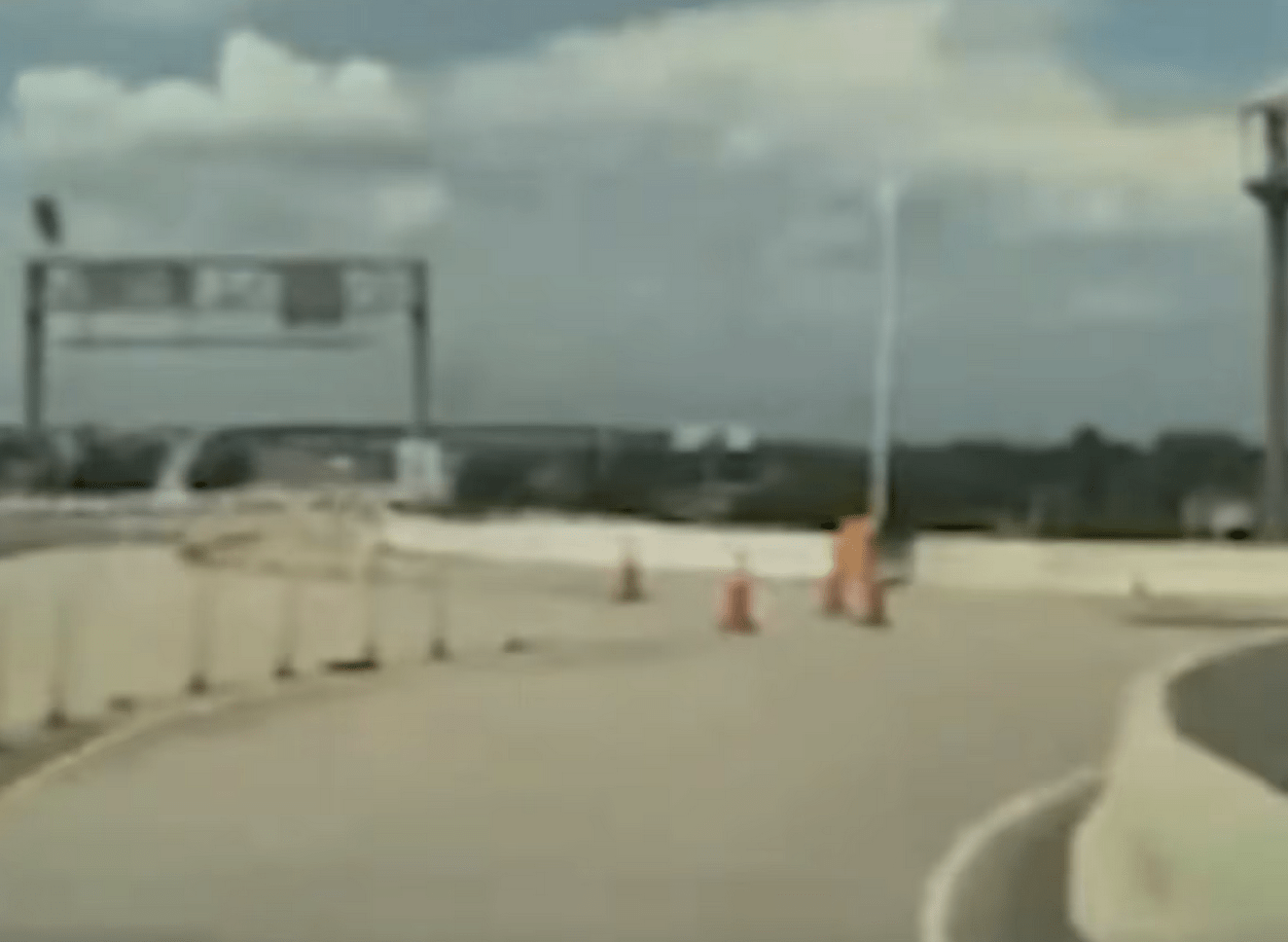
Footage from the crash shows how close it came to becoming a genuine tragedy. The Cybertruck veers toward the edge of an overpass and nearly breaches the barrier, and the only thing that kept it from going over was a collision with a lighting pole that redirected it back onto the roadway. Had that impact not happened, the truck could have plunged more than 30 feet off the overpass, with the potential for a multi-vehicle crash below. The driver alleges the impact caused multiple injuries and is now pursuing negligence and liability claims against Tesla tied directly to the self-driving system.
A Very Public Dispute Over the Data
What makes this case unusual is how openly the key evidence is being contested. Tesla’s internal telemetry data sits at the center of the lawsuit, since it’s what will determine whether the Cybertruck was genuinely operating under Full Self-Driving at the time, and how the system actually responded in the moments leading up to the crash.
Logs show driver disengaged Autopilot four seconds before crashing
— Elon Musk (@elonmusk) March 18, 2026
Elon Musk weighed in directly on social media, posting that logs show the driver disengaged Autopilot four seconds before the crash, a claim that, if accurate, would shift responsibility away from the FSD system and back toward driver input in the critical moments before impact. That claim directly conflicts with the driver’s account in the lawsuit, which places the blame on the self-driving system itself. It’s worth being clear here: this is a contested claim from Tesla’s CEO in an active lawsuit, not an independently verified fact, and the driver’s attorneys are expected to challenge it as the case moves forward.
Why the Telemetry Fight Matters So Much
Cases like this one increasingly come down to who controls the data and how it gets interpreted. Tesla vehicles log enormous amounts of telemetry, steering inputs, system engagement status, sensor readings, timestamped down to fractions of a second, and that data is frequently the deciding factor in whether a crash gets classified as driver error, system failure, or some combination of both.
For plaintiffs suing over an FSD-related crash, getting full, unaltered access to that telemetry, and having it independently verified, tends to be one of the most contested parts of the discovery process. Automakers control the systems generating the data in the first place, which puts drivers in the position of having to challenge a company’s own internal records using that same company’s own systems.
What’s Actually at Stake
Beyond the $1 million sought in damages, this case adds to a growing body of litigation testing how courts handle crashes involving semi-autonomous systems. If the telemetry ultimately supports the driver’s account, it strengthens the broader argument that FSD can fail to respond appropriately in edge-case scenarios like an overpass edge. If it supports Tesla’s version, it reinforces the company’s long-standing position that human drivers remain responsible for monitoring and intervening, regardless of what the system is marketed as being capable of.
Either way, the outcome could influence how similar cases get argued going forward, particularly as more FSD-equipped vehicles rack up miles on public roads and more crashes end up in courtrooms rather than settled quietly. For now, the case remains unresolved, with the core question, driver error or system failure, still hanging on data that both sides are actively fighting over.
Related Articles
- Cybertruck Owners Report Health Symptoms They Are Attributing to the Vehicle
- Chicken Hauler Rollover Near DuPont Highlights Trucker Fatigue Risks
- Tow Truck Crash Sends Car Flying Onto BART Tracks, Halting Service