
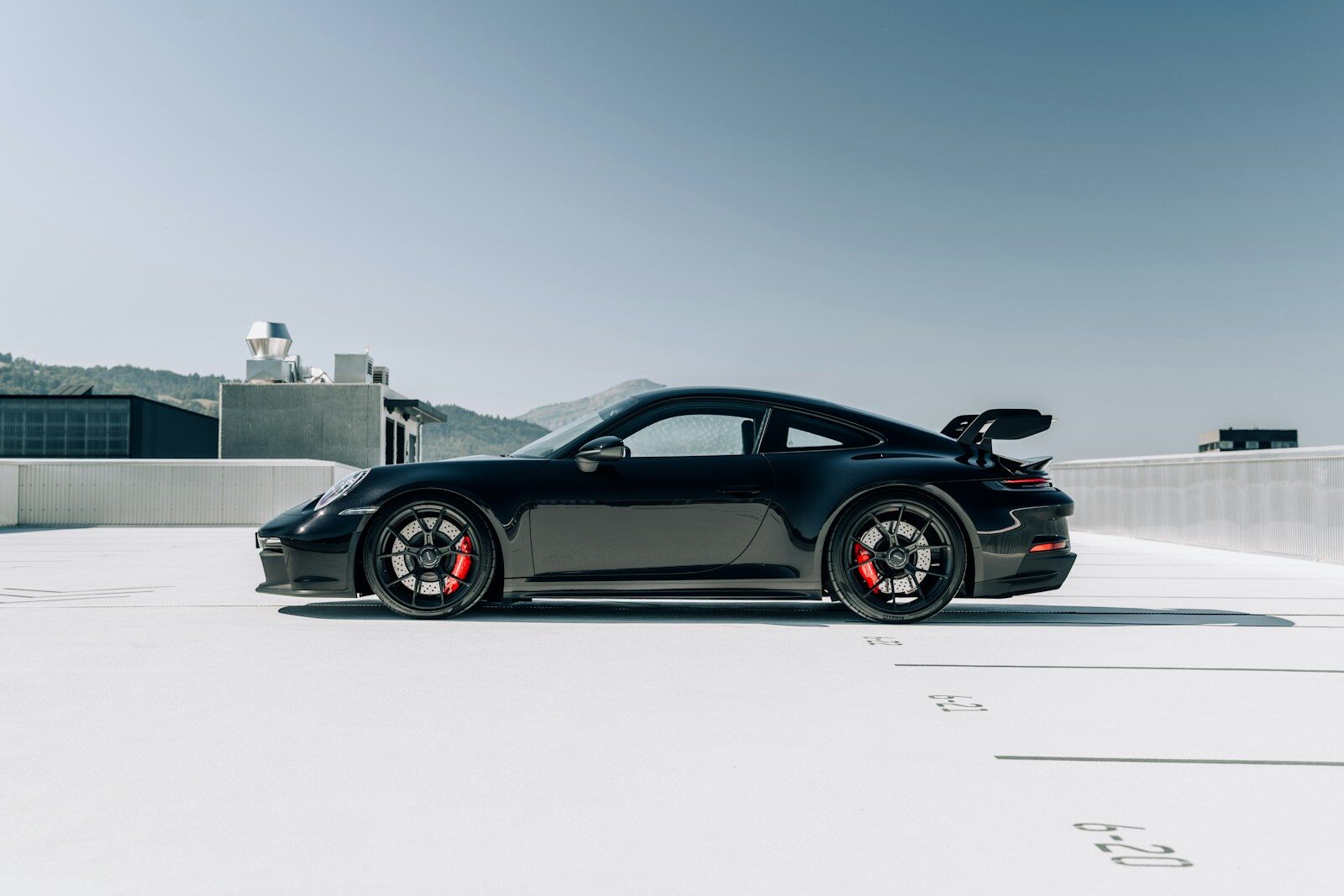
Porsche is working through one of the most dramatic financial reversals in its modern history, and the fallout is already reaching its workforce, its product strategy, and its long-term identity. The iconic German automaker saw profits collapse by more than 90% in 2025, a hit severe enough to trigger fresh job cuts and force a major rethink of its aggressive push toward electric vehicles.
This isn’t just one rough year. It’s a warning sign that even the most prestigious performance brands aren’t immune to miscalculation, shifting global markets, and political pressure landing all at once.
How Bad the Numbers Actually Got
Porsche’s operating profit dropped to €413 million in 2025, down from €5.64 billion the year before, a decline that isn’t just significant, it’s catastrophic for a brand long considered one of the most profitable automakers on the planet. The damage didn’t come from one single source. A €3.9 billion write-down tied to reversing parts of its EV strategy played a central role, while declining sales in China and new U.S. import tariffs piled on additional pressure to an already fragile situation.
Markets reacted fast: Porsche’s stock lost more than 30% of its value, a decline severe enough to get the company removed from Germany’s prestigious DAX index. For a brand built on precision and control, the optics couldn’t have looked worse.
Layoffs Are Expanding Fast
The financial hit is translating directly into consequences for Porsche’s workforce. The company has already cut around 2,000 temporary jobs on top of previously announced plans to eliminate 3,900 positions by 2030, and leadership is now signaling even deeper cuts are coming. With a workforce of roughly 40,000 employees, more than 10% of Porsche’s staff could ultimately be affected, all part of a broader plan by parent company Volkswagen Group to cut 50,000 jobs across Germany.
Leadership frames the move as necessary restructuring aimed at cutting bureaucracy and speeding up decision-making. For employees, though, it’s a clear signal the company is entering a much leaner, and considerably more uncertain, phase.
Porsche’s EV Ambitions Are Meeting Reality
One of the biggest shifts coming out of this crisis is Porsche’s evolving stance on electrification. After pushing hard toward an EV-heavy future, the company is now visibly pulling back. Electric versions of the 718 Boxster and Cayman have been delayed to 2027, and the highly anticipated K1 flagship SUV has slipped to around 2029, with hybrid and internal combustion options now reportedly back on the table for it as well.
That pivot says a lot. Porsche is acknowledging what plenty of enthusiasts and analysts have argued for years, that demand for high-performance internal combustion cars hasn’t disappeared, and in a lot of cases it remains considerably more profitable than the electric alternative.
Global Pressure From Every Direction
China, once a major growth engine for Porsche, has become a tougher battleground as local manufacturers gain ground and reshape the competitive landscape. U.S. tariffs have added another major obstacle on top of that: because Porsche imports every vehicle it sells in the U.S., a 15% tariff has added roughly €700 million in costs in the company’s largest single market. Together, these pressures are forcing Porsche to rethink not just its product plan, but its entire global strategy.
What It Means for Enthusiasts
For drivers and enthusiasts, this shift cuts both ways. The renewed focus on internal combustion suggests Porsche isn’t ready to abandon what made it legendary, gas-powered performance cars remain very much part of the plan going forward. At the same time, the layoffs, delays, and strategic uncertainty raise real questions about the brand’s long-term direction, and the apparent push into higher-margin segments, including potential new halo models and larger SUVs, hints at profitability increasingly winning out over purity.
That balance has always been delicate for Porsche, and it’s under more pressure now than it’s faced in years.
The Bigger Question
Porsche’s situation isn’t just about one company grinding through a bad year. It reflects a broader industry reality where rapid electrification, political pressure, and global competition are colliding in ways that are genuinely hard to predict. The real question now is whether Porsche can regain its footing without losing the identity that made it one of the most respected performance brands in the world, or whether this moment marks the start of a very different kind of Porsche.