
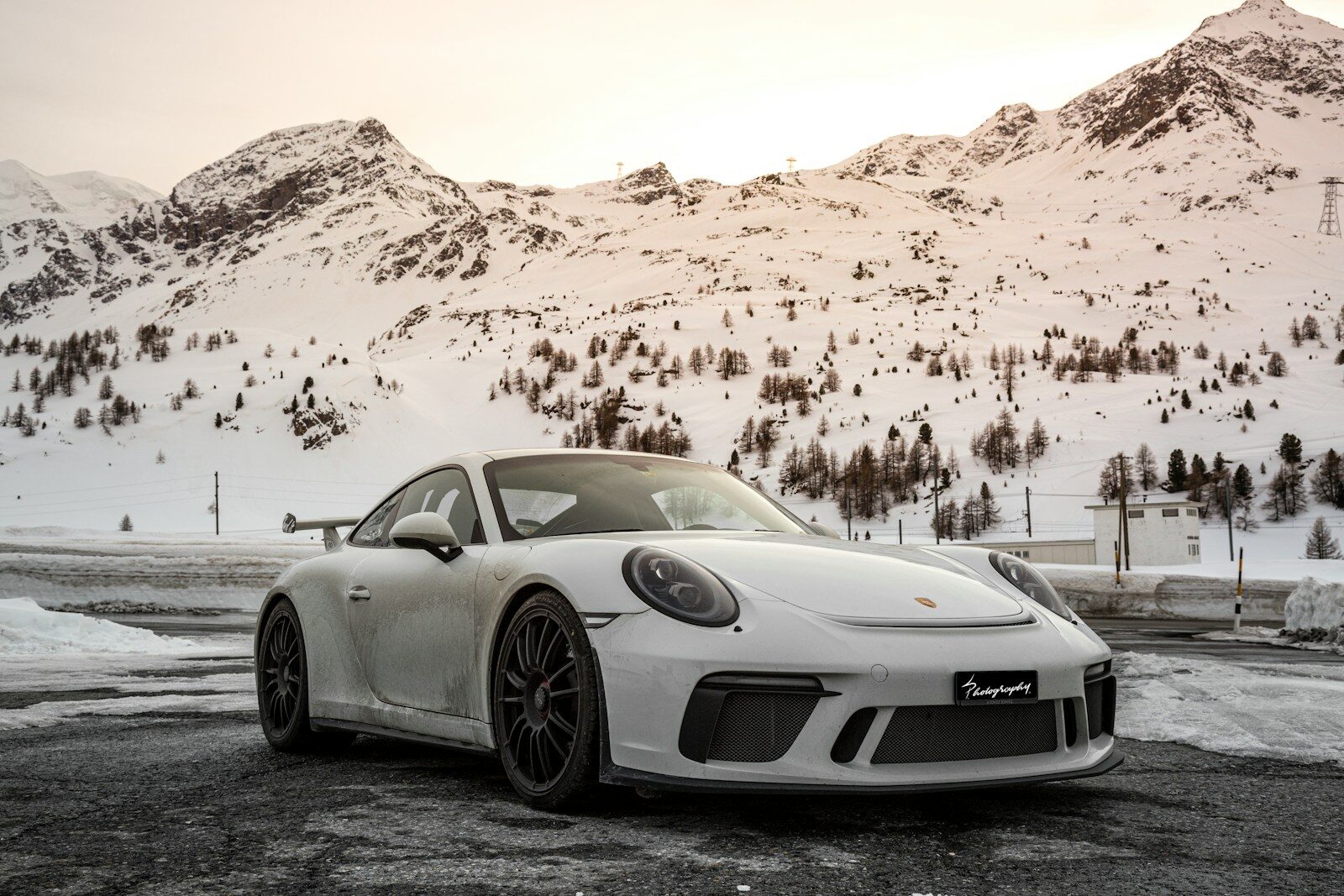
Porsche has spent decades as one of the most profitable car companies on the planet. That reputation just absorbed a genuinely staggering hit. The German performance icon reported operating profit of just €90 million for 2025, a collapse from €5.3 billion the year before, a 98% drop so extreme it rattled investors and pushed the company’s stock lower after an already rough year.
Behind the number is a combination of strategic missteps, geopolitical pressure, and brutal new competition reshaping the global car market, and the fallout is now forcing Porsche into decisions that could reshape its future.
Several Problems Hit at Once
A handful of pressures converged simultaneously to create one of the most dramatic financial reversals the brand has ever faced. China was one of the biggest blows, with Porsche deliveries there dropping 26% in what had been one of its most important growth markets. The reason isn’t complicated: Chinese electric vehicle brands are producing luxury cars that are faster, cheaper, and more tech-forward, and they’re increasingly winning over buyers who once aspired to European luxury badges.
New U.S. tariffs added another major burden on top of that, with the company estimating the tariffs alone added roughly €700 million in costs. But the most expensive problem by far came from inside Porsche itself.
An EV Strategy That Backfired
Like many legacy automakers, Porsche made a major push toward electric vehicles over the past several years, built around an assumption that EV adoption would accelerate rapidly across global markets. That shift turned out to be far more uneven than expected, with demand for high-end electric performance cars failing to grow as fast as projected in several regions, forcing Porsche to reverse or slow parts of its EV strategy.
That reversal came with a massive price tag. The company reported €2.7 billion in write-downs tied directly to its electrification plans, part of €3.1 billion in broader strategic costs that wiped out most of the year’s operating profit. For a brand long considered a financial powerhouse inside the Volkswagen Group, the scale of the hit genuinely stunned investors.
Deliveries and Revenue Slipping Too
The financial pain wasn’t limited to strategic write-downs. Global deliveries dropped 10% for the year, reflecting weaker demand across several key markets, and revenue declined alongside it, squeezing margins from multiple directions at once. Taken together, it’s a financial picture few analysts expected from one of the most prestigious performance brands in the world, and the market reaction has been harsh: Porsche’s stock has fallen more than a third over the past year as investors question whether the company can navigate an industry changing this fast.
Job Cuts Signal a Multi-Year Reset
To stabilize the business, Porsche now plans to cut 3,900 jobs by 2029. Workforce reductions at that scale signal leadership expects this transition to take years rather than months, and it’s a level of restructuring that would have been almost unthinkable during Porsche’s recent era of record profits. It now reflects a broader industry reality: even elite brands aren’t immune to seismic technological and geopolitical shifts.
China’s EV Rise Is Rewriting the Luxury Playbook
The biggest structural challenge here may be what’s happening in China specifically. Domestic EV manufacturers have rapidly improved both performance and technology while keeping pricing aggressive, a combination that’s pulling in buyers who once viewed European brands as the ultimate status symbol. Luxury EV competition inside China has become especially fierce, with domestic companies now offering high-performance electric vehicles that rival or exceed the specs of Western competitors, and for a brand like Porsche, that changes the competitive landscape almost overnight.
Trade Tensions Aren’t Helping
The broader trade environment is adding another layer of complication. Tariffs and geopolitical tensions increasingly shape how cars get produced, priced, and sold globally, and the €700 million cost hit Porsche took from U.S. tariffs shows just how fast political decisions can ripple through an automotive supply chain. For companies operating at global scale, that’s becoming another unpredictable cost of doing business, one that’s much harder to plan around than a normal market cycle.
What This Says About the Broader Industry
The bigger story behind Porsche’s collapse isn’t really about one company having a bad year. It reflects a global auto industry going through one of the most disruptive transitions in its history, with Chinese EV manufacturers rising at unprecedented speed, governments pushing electrification at wildly different rates around the world, and automakers forced into billion-dollar bets on technology that isn’t always developing the way anyone projected. For Porsche, all of those forces landed at roughly the same time.
The real question isn’t whether the company survives, Porsche remains one of the most iconic performance brands ever built. The real question is whether even the most powerful luxury automakers can successfully navigate an industry being reshaped simultaneously by electric competition, geopolitical friction, and a market that’s shifting faster than anyone’s five-year plan accounted for.