
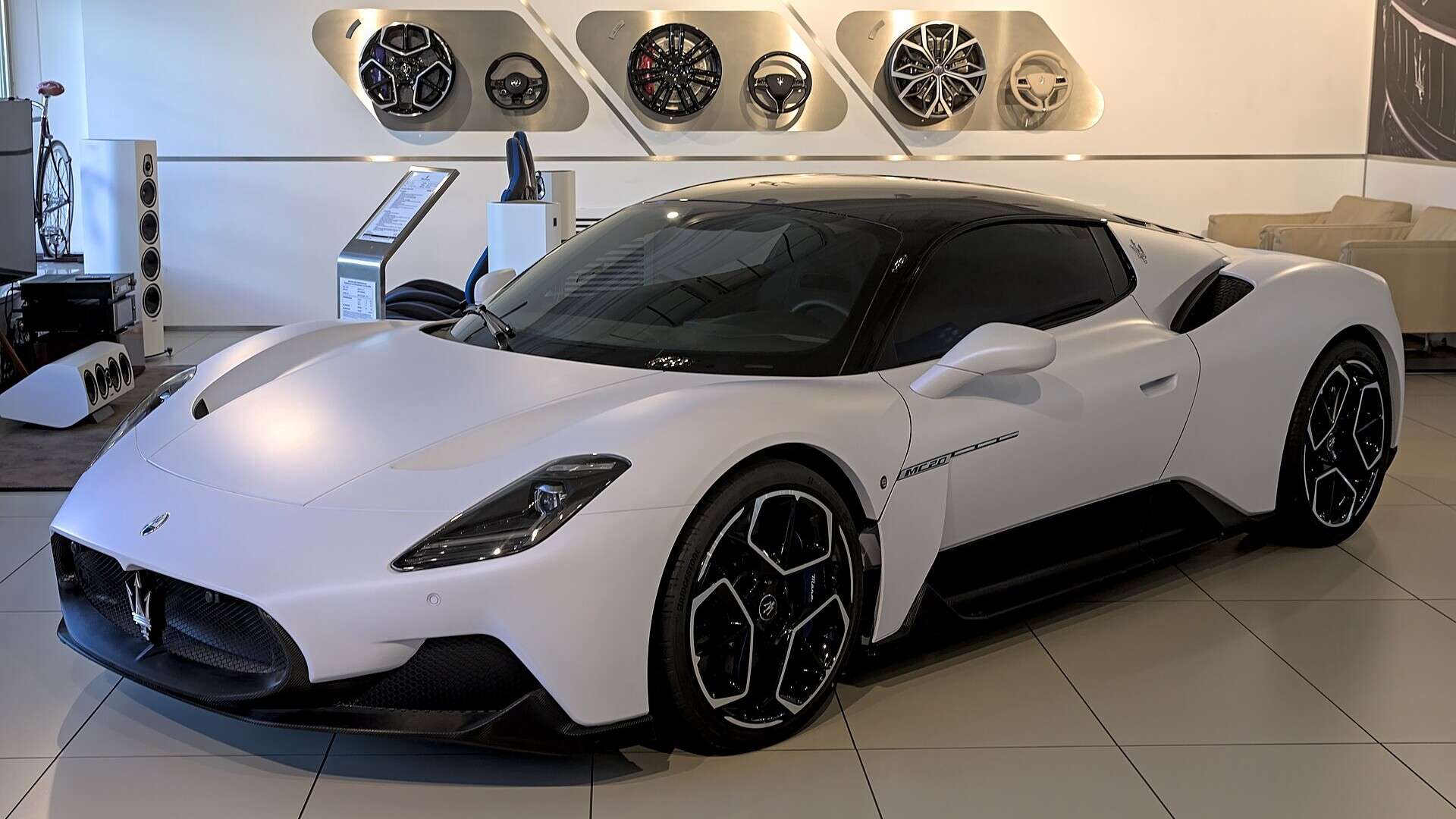
On July 30, federal prosecutors in Fort Worth listed 22 vehicles that investigators had seized from Clayton Lloyd Iley, a Stephenville, Texas, insurance broker who pleaded guilty to wire fraud and aggravated identity theft. On Oct. 2, the same office published a second list, this time of vehicles both seized and covered by a preliminary order of forfeiture. It has 17 entries, and eight cars from the July list are not among them: Camaros from 1969, 1974 and 1982, a 1979 Pontiac Trans Am, a 1973 Plymouth coupe, a 2006 Dodge Viper, a 2016 Mercedes-Benz AMG coupe and a 2024 Dodge Ram.
Neither release explains the difference. Together, though, they show something the “more than 90 exotic collector vehicles” figure attached to this case does not: the restitution fund for Iley’s victims is whatever survives a legal process that pays other people first, and on paper it has been getting smaller.
Two lists from the same U.S. Attorney’s Office
The basic facts are settled. Iley, 41, ran Clayton Texas Legacy Insurance Group, LLC out of Cross Plains, Texas. From January 2020 through May 2026, according to court records cited by the U.S. Attorney’s Office for the Northern District of Texas, he collected more than $2 million for a Department of Defense “Bonded Note” loan program that did not exist, took insurance premiums from clients without opening the policies they asked for, and used clients’ personal information to open credit cards in their names. He pleaded guilty June 17, and U.S. District Judge Mark Pittman sentenced him on Oct. 1 to 160 months in federal prison. The Auto Wire covered the sentencing and how the identity theft count adds mandatory time.
Both releases say Iley agreed in his plea deal to forfeit more than 90 exotic collector vehicles bought with money from the scheme. They part ways on the details. The July 30 plea announcement said investigators had seized 22 vehicles to date. The Oct. 2 sentencing announcement said investigators had seized and secured a preliminary order of forfeiture for 17.
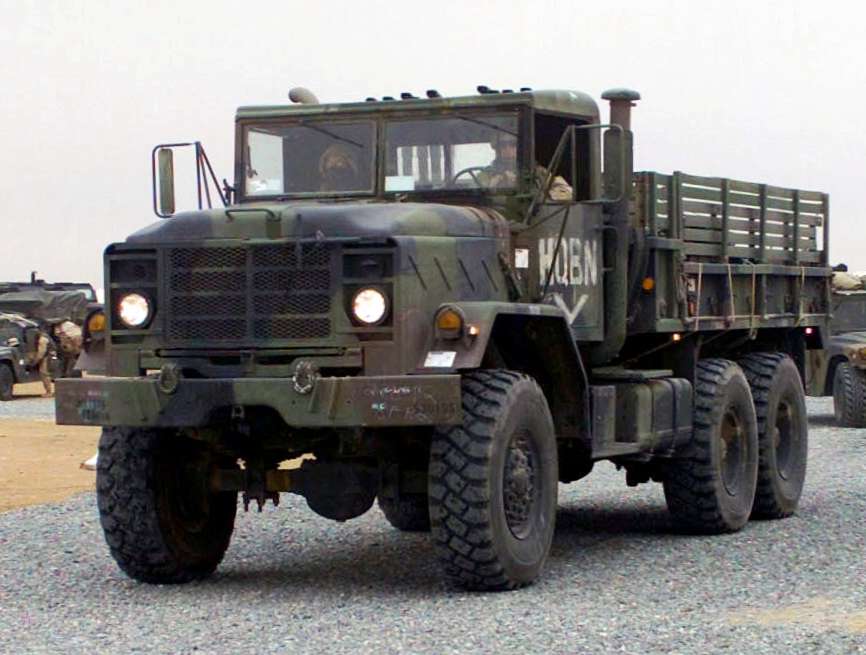
I lined the two lists up by year and model. Fourteen vehicles appear on both: the Aventador, a 2015 Huracán, the 2016 and 2018 Ferrari 488s, three 2022 Maseratis (the July list calls one of them a “Maserati Coupe”), the 2021 Porsche Taycan, the 2013 Toyota, the 2014 Viper, the 1968 Pontiac Firebird, a 1989 Humvee, a 1990 BMY M923A five-ton military truck and a 1993 AM General. The October list adds a second 2015 Huracán, a 2023 Jeep Gladiator and an entry reading “2012 Lamborghini Model Ave,” which sits two lines above “2012 Lamborghini Aventador.” The July list has only one 2012 Lamborghini, so the October list may count the same car twice. I can’t tell from the release.
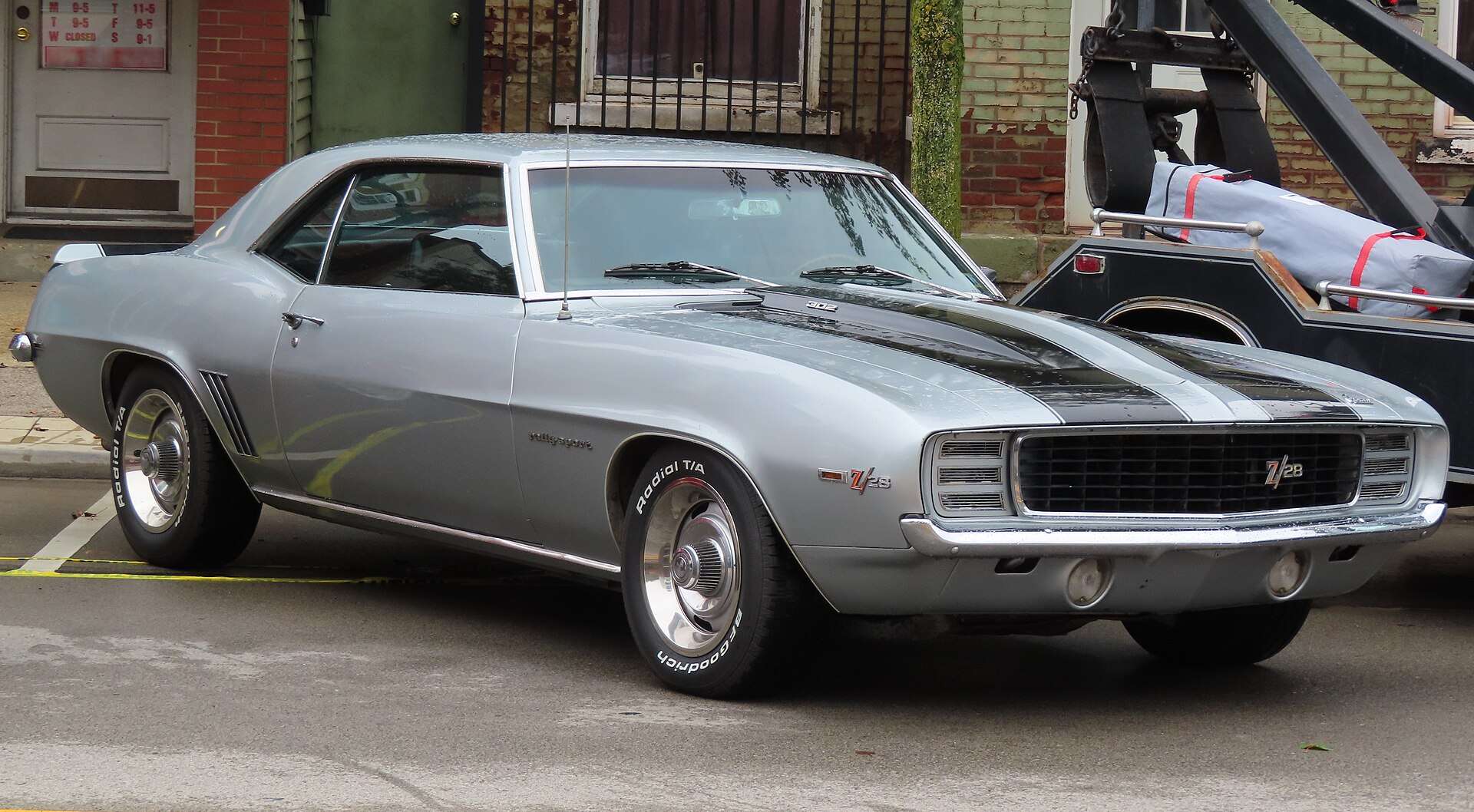

That leaves the eight July vehicles with no October counterpart, and most of them are the older American iron in the collection. Several ordinary explanations fit: a lender or other third party may claim an interest in some of those cars, the government may be pursuing them under a separate order, or the July list may have contained errors. The releases establish none of these, and I’m not choosing one for them. What the record does show is that 17 vehicles out of a promised 90-plus, fewer than one in five, have reached the preliminary-order stage, and that the list has already been revised once.
Lienholders, then costs, then victims
A preliminary order of forfeiture is final as to the defendant at sentencing, but it is not yet final against anyone else who claims part of a car. Under 21 U.S.C. § 853(n), the government has to publish notice of the order. Under the federal civil forfeiture rules, it can do that by posting the notice on an official government forfeiture website for at least 30 consecutive days, which in practice means forfeiture.gov. A third party then has 30 days from the final day of publication, or from receiving direct notice if that comes first, to petition the court. The petitioner wins by showing an interest that was superior to the defendant’s when the crimes were committed, or by showing it bought the property for value without reason to suspect it was forfeitable. Only after those petitions are resolved, or the deadline passes with none filed, does the United States get clear title and the ability to warrant good title to a buyer.
For a collection of late-model exotics, the lender is the obvious third party. The plea release says Iley used credit cards opened in victims’ names to “charge personal expenses and payments towards the purchase of the vehicles.” Making payments toward a purchase suggests that at least some of the cars were bought on credit, and a bank holding a properly recorded lien on a car is the kind of claimant § 853(n) protects. Neither release says whether any of the 17 vehicles is financed. If some are, the lender is paid out of the sale before anything goes into the victims’ pool.
The next deduction is the government’s own cost. Under the Justice Department’s remission rules at 28 C.F.R. § 9.8, a victim can recover no more than his or her share of the net proceeds of a forfeiture, meaning what is left after permitted government expenses and valid third-party claims. Victims must document a specific loss caused by the crime and must not have been repaid from other sources. When there are many victims, they generally share pro rata.
Car people know how those expenses add up. A seized Huracán or MC20 has to be towed on a flatbed, stored indoors, insured and kept running until the sale. Tires flat-spot, fluids age, and a Taycan’s high-voltage battery can’t simply be disconnected and forgotten like a lead-acid starter battery. A Humvee and a five-ton 6×6 need their own transport. All of that is paid from the cars’ value, and the longer third-party claims and the eight unexplained vehicles take to resolve, the more of the money goes to the storage yard.
_5-ton_cargo_truck_heads_a_convoy_departing_Camp_Matilda,_Kuwait_crop.jpg)
The U.S. Marshals Service, which acts as the main custodian of seized property for the Justice Department’s forfeiture program, sells cars through contracted auction houses listed on its asset forfeiture page. Neither release says who will sell Iley’s vehicles. The Marshals’ fiscal 2025 fact sheet reports 24,179 assets worth $8.2 billion on hand as of Sept. 30, 2025, and $475 million distributed to victims of crime and claimants that year. Iley’s 17 cars are a small part of that inventory.
This pattern has appeared in other cases The Auto Wire has covered, including a $245 million crypto theft that ended up in 28 supercars and stolen CDC grant money that bought a Harley-Davidson. A fraudster’s cars are easy to photograph and easy to count, and the count tends to be the largest number anyone attaches to the case.
Iley’s insurance clients may not have known they were uninsured
Iley’s agency advertised home, auto, life, health, farm and ranch, and commercial coverage. Prosecutors say he took premium payments from specific clients and never opened the policies they asked for. The releases do not say how many clients that involved or which kinds of policies, but a client who paid for auto coverage that was never written would have been driving uninsured without knowing it. The Texas Department of Insurance states that Texas law requires drivers to pay for the accidents they cause. Without a policy, a crash during that period becomes the driver’s personal debt, and a house fire becomes the homeowner’s loss.
Texas law treats an agent’s misuse of premium money as theft. Section 4005.153 of the Texas Insurance Code says an agent who embezzles or converts premiums “shall be punished as if the person had stolen the money,” and Section 4005.101 allows the state to discipline a license holder who has misappropriated money belonging to an insured. None of the federal releases mentions any state action. When I searched the Texas Department of Insurance’s public license portal for Clayton Iley on Oct. 8, it returned “No active license exists.” The portal does not show license history, so that result doesn’t tell us whether he held a license while selling policies.
Texas drivers can check their own coverage without relying on an agent’s paperwork. TexasSure, a database run jointly by the state’s motor vehicle, insurance, public safety and information resources departments, is designed to flag vehicle owners without required coverage. Calling the insurance company named on your ID card and asking for the declarations page confirms the policy exists at the carrier itself, not only in the agent’s files. TDI also offers a lookup for licensed agents.
What the court docket will show next
Three filings will show how much of the 90-car figure survives. The first is the final order of forfeiture, which under Federal Rule of Criminal Procedure 32.2 amends the preliminary order to account for any third-party claims; if the eight July cars are added back or new vehicles appear, they will show up there. The second is the restitution figure in the judgment, which neither press release states. The third is the sale itself: whoever handles the sale will list the cars, and the hammer prices will show what a 2022 MC20 or a 1968 Firebird brings after months in federal storage.
Until those filings appear, the reliable number is 17, and it comes with a lienholder question attached. For the people whose names went on Iley’s credit cards and whose premiums never bought a policy, the useful figure is the net proceeds that reach them, which is likely to be well below the value of 90 cars.
Should federal prosecutors be required to publish an itemized accounting of what each forfeited car sold for and how much reached victims, or is leaving those details in the court docket good enough?