 By Shawn Henry
Not every car is built to last.
Some models develop bad reputations because of one-off issues or poor maintenance. But others earn it the hard way — through repeated mechanical failures, design flaws, and years of complaints from owners and mechanics.
This isn’t about opinions or brand bias. These are vehicles that showed consistent, well-documented problems across large numbers of units — the kind of issues that lead to recalls, lawsuits, or entire model reputations collapsing.
Here are 10 of the most unreliable cars ever made, and what actually went wrong.
1. Ford Focus / Fiesta (2011–2016)
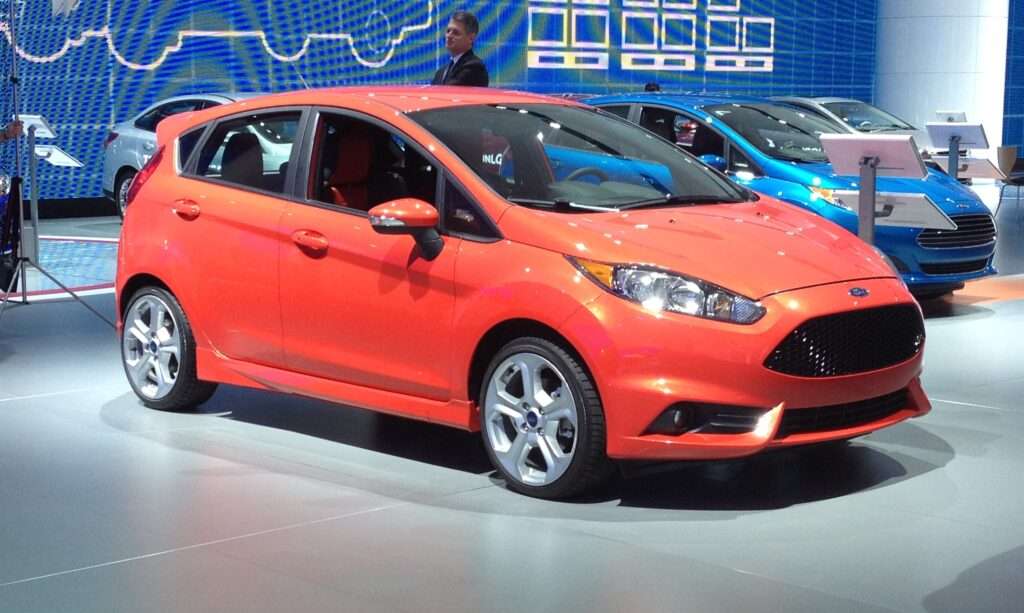
The PowerShift Transmission Disaster
Ford’s dual-clutch PowerShift transmission was supposed to improve efficiency and performance. Instead, it became one of the most notorious reliability failures in modern automotive history.
Owners reported:
- Shuddering and jerking at low speeds
- Delayed engagement
- Premature clutch failure
- Complete transmission replacement
The issue led to lawsuits, extended warranties, and widespread consumer complaints. The problem wasn’t isolated — it affected hundreds of thousands of vehicles.
2. Jeep Grand Cherokee (2011–2014)
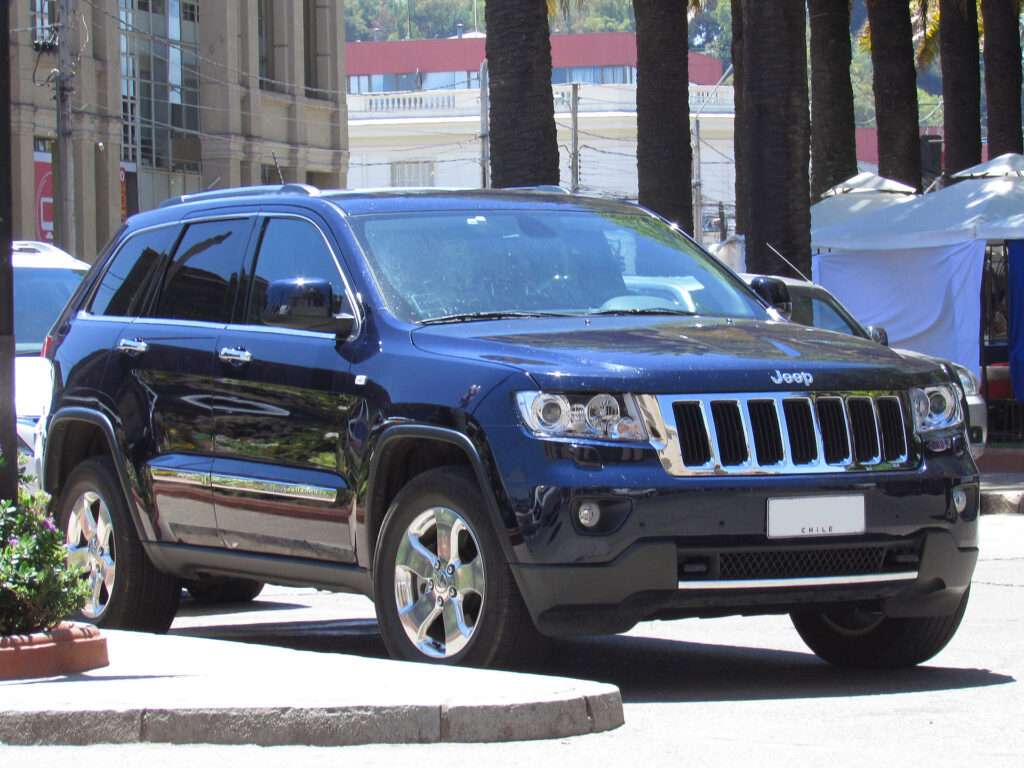
TIPM Electrical Failures
These models were plagued by failures of the Totally Integrated Power Module (TIPM) — essentially the vehicle’s electrical control hub.
Symptoms included:
- Random stalling
- Fuel pumps running continuously
- Failure to start
- Electrical systems acting unpredictably
Because the TIPM controls multiple systems, a single failure could make the entire vehicle unreliable overnight.
3. BMW 7 Series (E65/E66, 2002–2008)
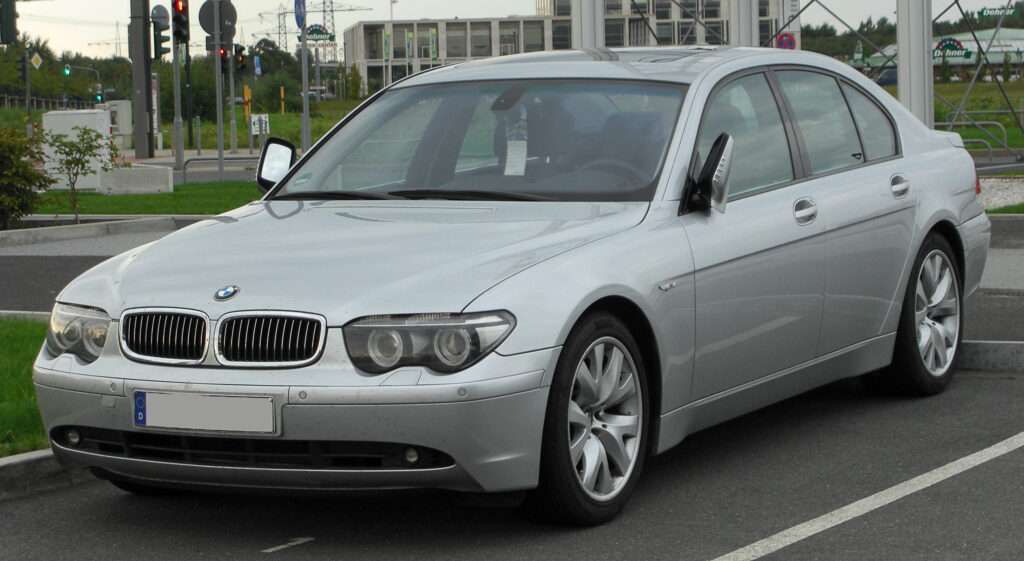
Overengineered and Overcomplicated
This generation of the 7 Series introduced cutting-edge tech — and paid the price.
Common issues:
- iDrive system failures
- Electrical malfunctions
- Cooling system problems
- Expensive suspension repairs
These cars weren’t unreliable because they were poorly built — they were unreliable because they were too complex for their time.
4. Chevrolet Vega (1971–1977)
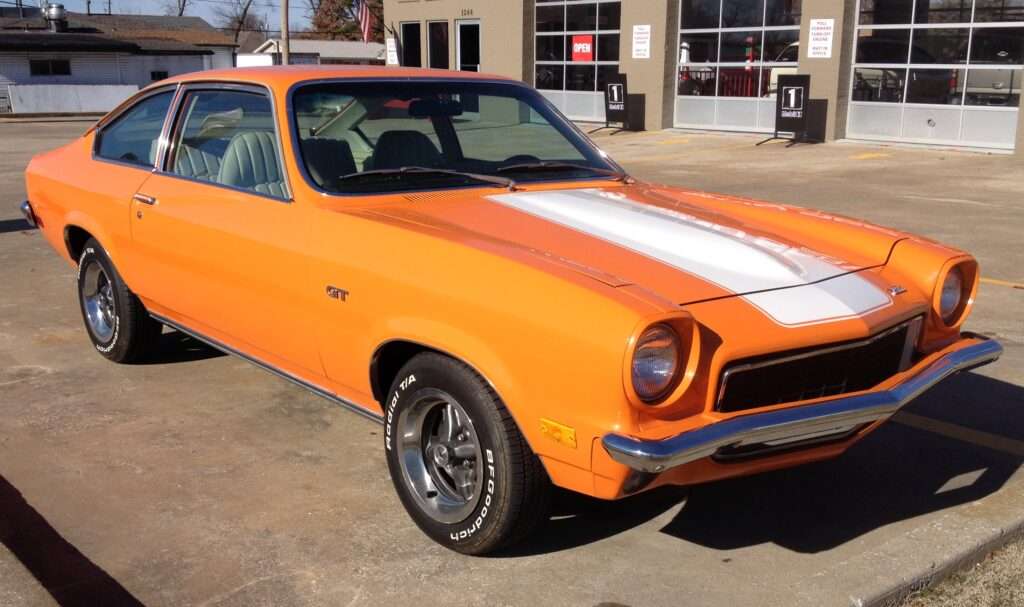
Engine Design Flaws
The Vega is one of the earliest examples of a mass-market reliability failure.
Its aluminum engine block had:
- Poor durability
- Overheating issues
- Rapid wear
Many engines failed early in their lifespan, and rust issues only made things worse. The Vega quickly became a symbol of poor long-term reliability in the 1970s.
5. Chrysler Sebring (2001–2010)
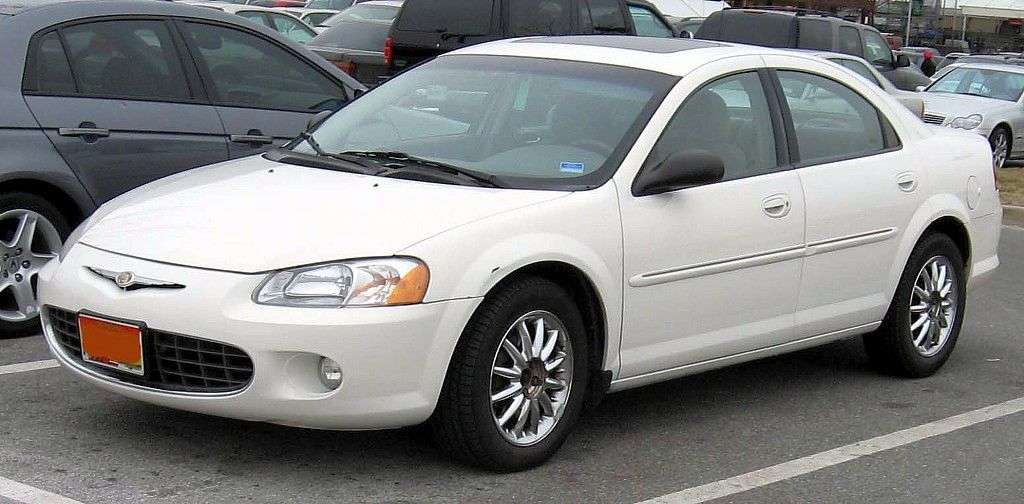
Chronic Build Quality Issues
The Sebring wasn’t known for one specific failure — it was known for many.
Owners reported:
- Transmission failures
- Weak engines
- Interior quality issues
- Electrical problems
It consistently ranked poorly in reliability surveys and long-term ownership reports.
6. Range Rover (Early 2000s Models)
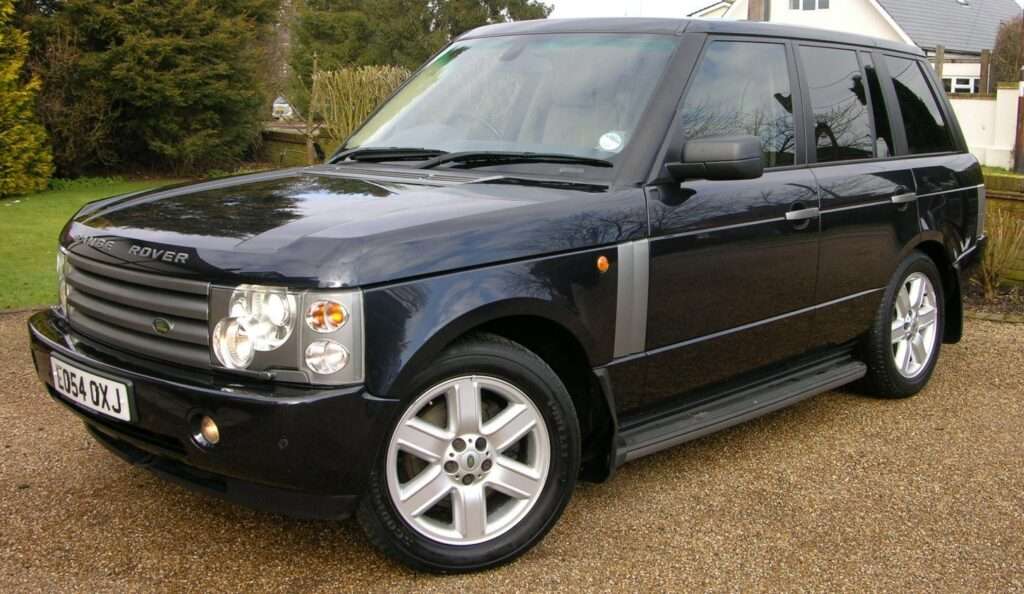
Luxury Meets Constant Repairs
Range Rovers have long been associated with high repair costs, but early 2000s models stood out for reliability issues.
Frequent problems included:
- Air suspension failures
- Electrical faults
- Cooling system issues
- Transmission problems
These vehicles delivered luxury — but often required constant maintenance to stay on the road.
7. Mini Cooper (2007–2011)
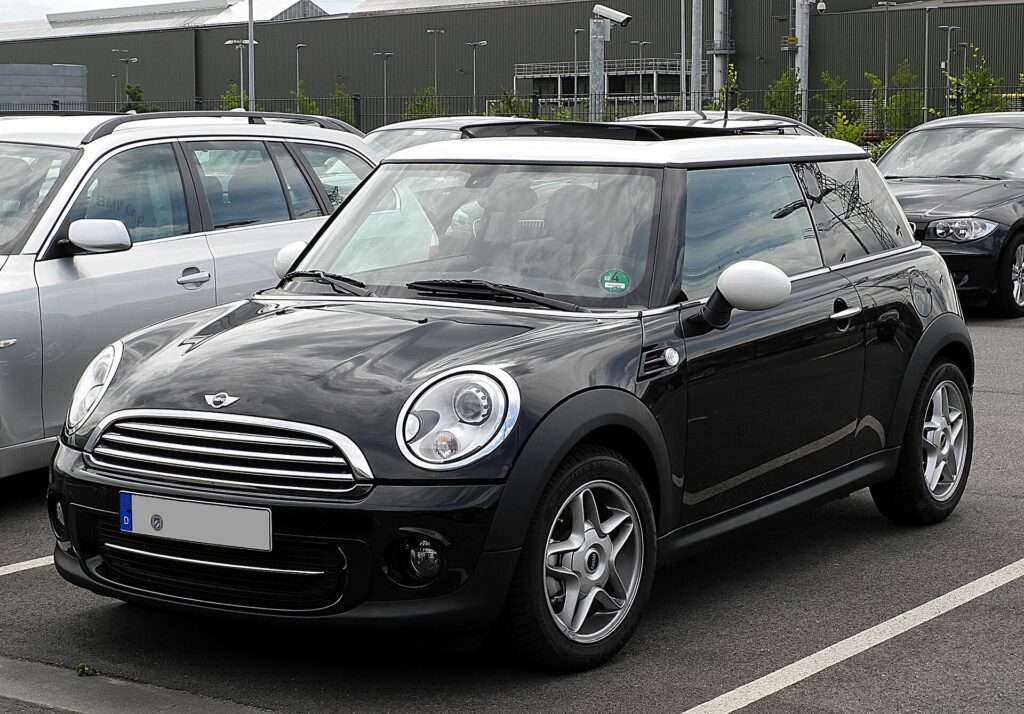
Timing Chain and Engine Issues
The second-generation Mini Cooper gained popularity, but reliability concerns followed.
Major issues:
- Timing chain tensioner failures
- Engine knocking
- Oil consumption problems
In severe cases, these issues led to complete engine failure.
8. Cadillac CTS (Early 2000s)
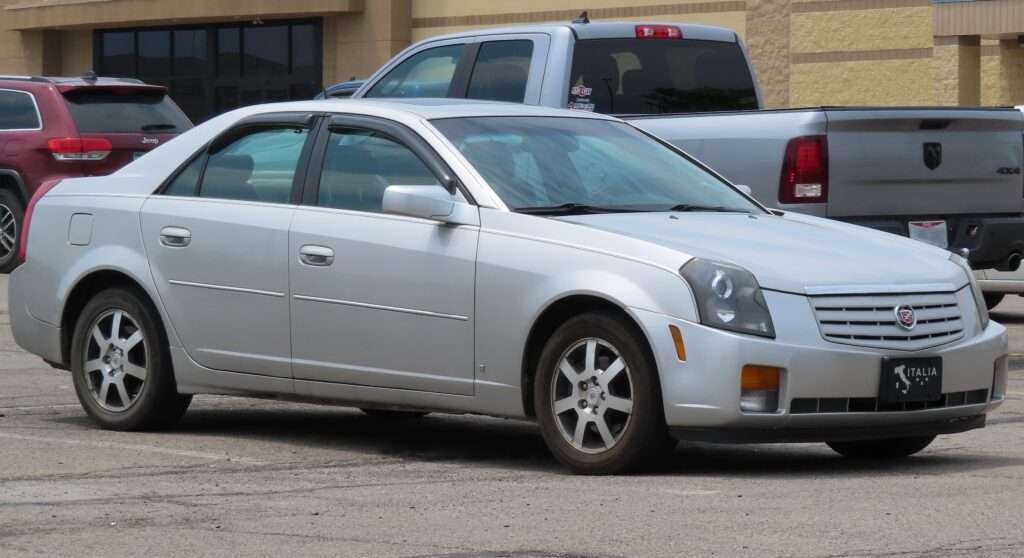
First-Generation Growing Pains
Cadillac’s early CTS models helped redefine the brand’s direction, but reliability lagged behind.
Common complaints:
- Differential failures
- Electrical issues
- Interior component failures
While later versions improved significantly, early models struggled with consistency.
9. Nissan Altima (2013–2016)
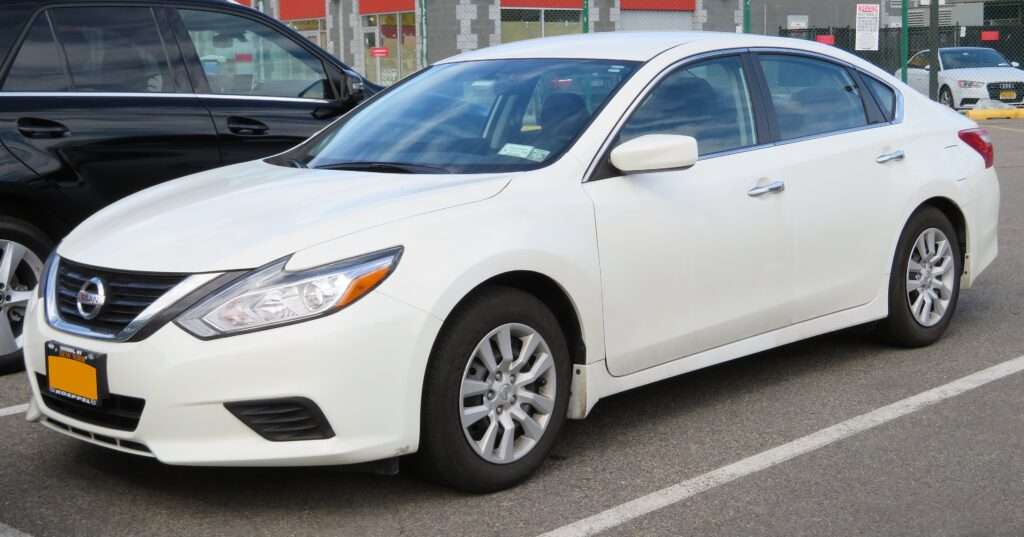
CVT Transmission Problems
Nissan’s widespread use of continuously variable transmissions (CVTs) created reliability concerns during this period.
Reported issues:
- Transmission slipping
- Hesitation under acceleration
- Overheating
- Premature failure
CVT replacements were costly, and failures often occurred earlier than expected.
10. Fiat 500 (2012–2016)

Small Car, Big Problems
The Fiat 500’s styling attracted buyers, but reliability became a concern.
Common problems:
- Transmission issues
- Electrical faults
- Poor build quality
It consistently ranked near the bottom of reliability studies during its early U.S. run.
What These Cars Have in Common
Looking across all 10, the failures usually fall into a few categories:
1. New Technology Rolled Out Too Early
Dual-clutch transmissions, CVTs, and advanced electronics often failed when introduced without enough real-world testing.
2. Overcomplication
Luxury vehicles packed with new systems tend to suffer when those systems fail — especially early in development cycles.
3. Weak Core Components
Engines, transmissions, and electrical systems are the backbone of reliability. When those fail, everything else becomes irrelevant.
4. Cost-Cutting or Design Flaws
Some issues came down to poor materials, rushed engineering, or overlooked durability concerns.
Unreliable cars don’t just inconvenience owners — they cost money, time, and trust.
The vehicles on this list earned their reputations through consistent, repeatable issues reported across thousands of owners. In many cases, those problems led to recalls, lawsuits, or permanent damage to the model’s legacy.
That doesn’t mean every single example will fail. But when patterns show up across years, markets, and ownership reports, it’s no longer bad luck.
It’s a design problem.