 By Eve Nowell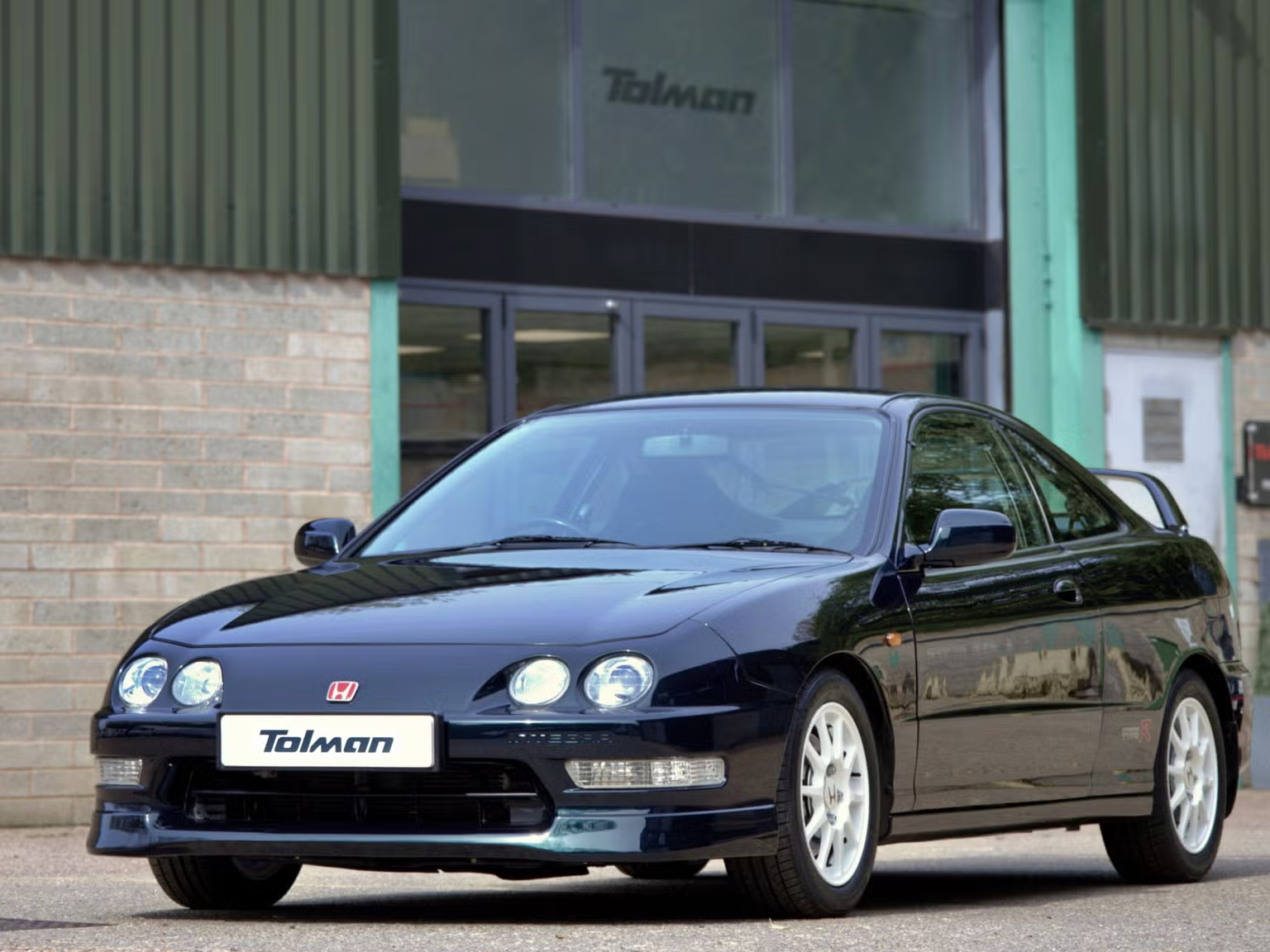
Something unusual is happening in the car world right now, and it’s not coming from the usual six-figure exotics. It’s coming from cars people used to overlook. The Integra Type R is suddenly sitting in a price bracket that would’ve sounded ridiculous just a few years ago. We’re talking about a car that’s now brushing up against $120,000 when everything lines up just right. And if that sounds like hype, this particular build makes the case in a way that’s hard to ignore.
That’s where things change.
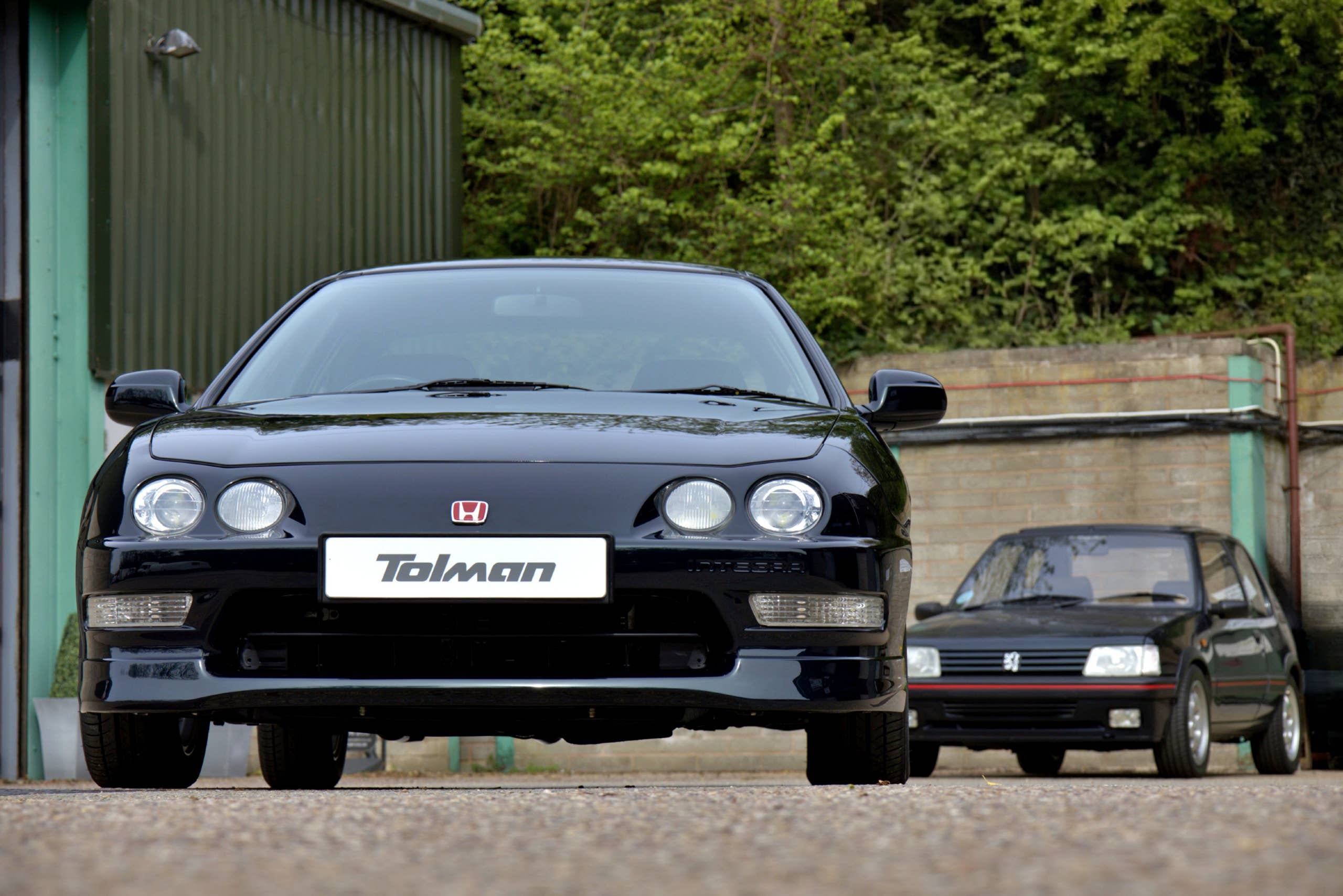
A British outfit called Tolman took on what looked like a solid Integra Type R project. Not a wreck, not a basket case, just a car that had lived a normal life. The plan wasn’t to turn it into some overbuilt, overpowered restomod either. The idea was simpler, and honestly harder. Bring it back to what it was supposed to be, not what someone thinks it should be today.
On paper, that sounds straightforward. In reality, it rarely is.
Once the car was torn down, the truth started to show itself. Previous repairs had been hiding corrosion underneath, the kind of stuff that doesn’t show up until you really go looking. And once it’s there, you don’t just ignore it if you’re serious about the result. Tolman didn’t. They went all in, stripping things back and rebuilding the structure properly.
That decision alone tells you everything about where this build was headed.
Instead of patching over problem areas, they fabricated replacement panels by hand. Rear quarter sections, parts of the floor, pieces you can’t just order and bolt in. Around 180 hours went into metalwork alone, which is the kind of number that starts to explain the price tag. This wasn’t about making it look clean from ten feet away. It was about making it right underneath.
And that’s where it gets complicated.
Because once you commit to that level of restoration, you can’t cut corners anywhere else. The mechanical side had to match the same philosophy. So the original 1.8-liter B18C engine wasn’t swapped out or heavily modified. It was rebuilt to its original 190 horsepower spec. Not more. Not less. Exactly what it was when it left the factory.
Same story with the suspension. The double wishbone setup stayed, which is a big part of what made the Integra Type R so sharp to begin with. But it wasn’t left untouched. Components were refreshed, dampers were updated, and everything was dialed in to work like it should, just better executed.
Inside, things didn’t get modernized either. No giant screens, no flashy materials trying to make it feel newer than it is. Original materials were sourced to keep the cabin feeling authentic. That matters more than people think, especially when the whole point is preserving what made the car special in the first place.
The finished car wears Sorrento Green, which adds a bit of personality without completely rewriting its identity. It still looks like an Integra Type R. That’s the whole point. Nothing about it screams for attention, but everything about it feels intentional.
The full build took around 740 hours. That’s not a quick turnaround. And it shows.
Here’s the part that matters.
This car doesn’t feel like a reinterpretation. It feels like the best possible version of what the Integra Type R always was. Not modernized, not over-engineered, just restored to a level most original cars never even reached when new. That’s a different kind of value, and collectors are starting to notice.
And the market is reacting.
Clean, untouched Integra Type R examples have already been climbing, but builds like this push the ceiling higher. When people see what it actually takes to bring one back properly, the pricing starts to make more sense. You’re not just buying nostalgia. You’re buying the result of hundreds of hours of skilled work on a platform that doesn’t exist anymore.
There’s also a bigger shift happening in the background.
Modern cars are faster, quieter, and packed with tech. But they’re also more isolated. More filtered. That direct connection between driver and machine has been fading for a while now. Cars like the Integra Type R remind people what that connection used to feel like, and why it mattered.
It’s not just about speed or numbers. It’s about how the car communicates. How it responds. How involved you feel behind the wheel.
And that’s something a lot of newer cars struggle to replicate.
There’s also growing recognition that cars from the 1990s and early 2000s hit a unique balance. They had enough engineering to be safe and capable, but not so much that they lost their character. That sweet spot is getting harder to find, and once people realize that, values tend to follow.
So when you see an Integra Type R pushing into six-figure territory, it’s not just a fluke. It’s a signal.
A signal that the cars people grew up with, the ones that used to sit just out of reach but still felt attainable, are now being reevaluated. Not as cheap performance options, but as legitimate collector machines with real significance.
And builds like this Tolman example only accelerate that shift.
Because once you see what one of these cars can become when it’s done properly, it’s hard to go back to thinking of them as anything less.
Via Tolman
 Shawn Henry