 By Shawn Henry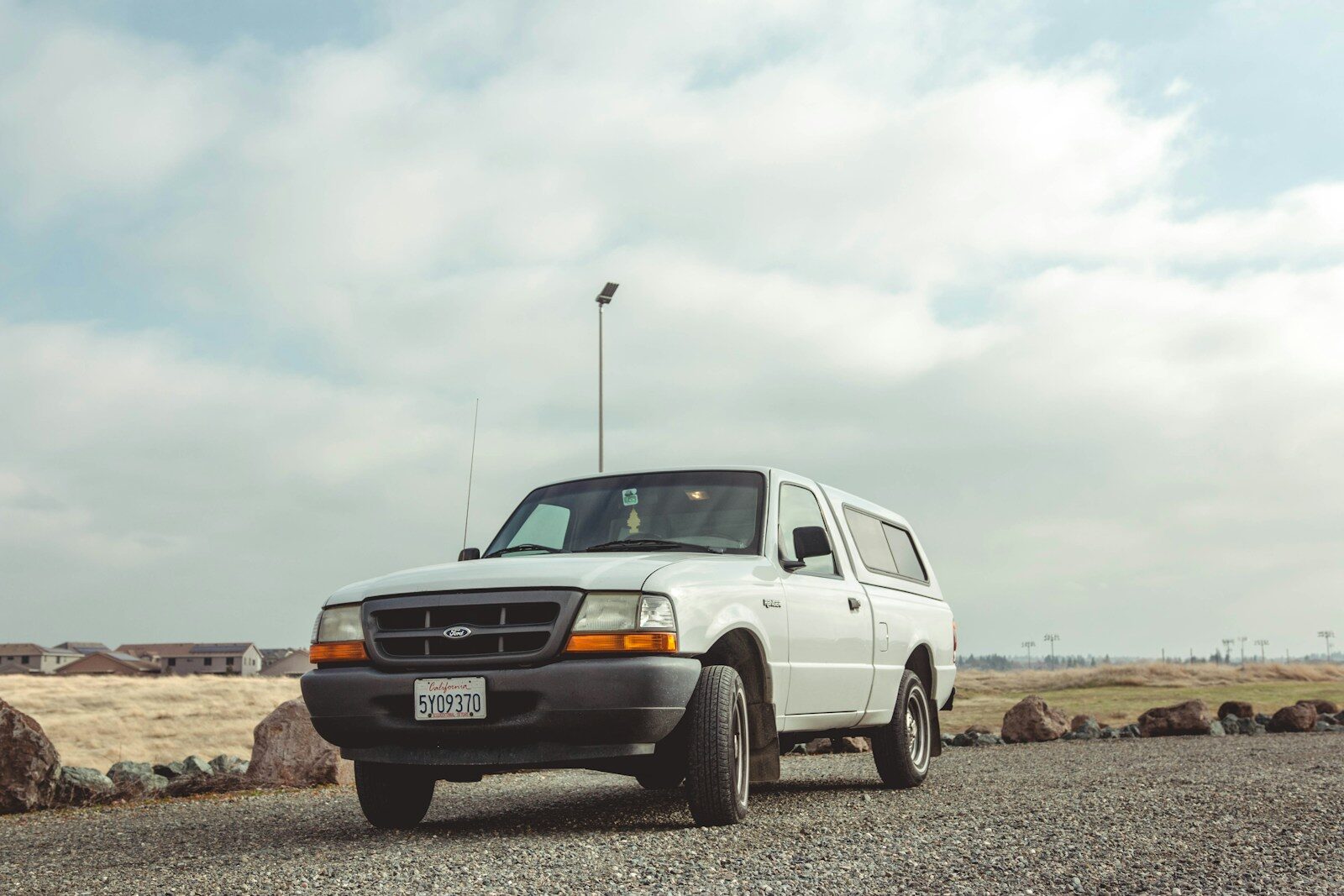
There was a time in America when being broke did not automatically mean being stranded. If you were a teenager looking for your first car, a college student working part-time, or someone trying to get back on your feet after a rough stretch, there was always a solution. It might not have been pretty, and it probably wasn’t something you’d brag about, but it got you where you needed to go.
Most importantly, it was affordable. A thousand dollars used to buy a running car. Not a perfect car or a collector car, but honest transportation that could get someone to work, school, or wherever life required them to be.
You Should Read This Next
- 140 MPH Chevy Malibu Police Chase Ends In Violent Rollover After Driver Tries To Outrun Arkansas Trooper
- Mercedes-Maybach Refuses to Kill the V12 as America Becomes the Last Safe Haven for 12-Cylinder Luxury
- Ferrari 488 Pista Destroyed in Moscow Crash as Rapper Navai’s Speed Claim Faces Scrutiny
- Abandoned 455 Pontiac Trans Am Found Rotting in Junkyard as Muscle Car Fans Debate Whether It’s Worth Saving
Today, that world feels almost impossible to imagine. Try finding a running, reliable vehicle for $1,000 in 2026 and you’ll quickly discover how much the market has changed. In most parts of the country, buyers struggle to find anything roadworthy at that price, and even $3,000 often doesn’t stretch nearly as far as it once did.
What disappeared wasn’t just cheap cars. America lost an entire tier of transportation that once served as a stepping stone for millions of people. For decades, there was a healthy ecosystem of older vehicles changing hands for modest amounts of money, allowing first-time buyers and working families to get behind the wheel without taking on years of debt.
Every town seemed to have them. Ford Rangers sat in driveways waiting for their next owner. Crown Victorias retired from taxi fleets and police departments found second lives as dependable daily drivers. Chevy Cavaliers, Honda Civics, Toyota Corollas, and Ford Tauruses quietly handled commuting duties while asking very little in return.
Those vehicles were never glamorous. Most had faded paint, worn interiors, and mileage figures that would scare modern buyers. But they filled an incredibly important role in American life because they gave people mobility without forcing them into a financial commitment they couldn’t afford.
That affordable transportation ecosystem has largely vanished. Part of the reason is simple economics. New vehicles have become dramatically more expensive over the last two decades, with average transaction prices hovering around $50,000. As new vehicles get more expensive, used vehicles naturally follow them upward.
But rising prices alone don’t explain what happened. The supply of genuinely cheap transportation has also shrunk. Millions of older vehicles have disappeared through scrappage programs, accidents, mechanical failures, and rising repair costs that often exceed a vehicle’s value.
When an older car needs a transmission today, the owner faces a difficult decision. Spending several thousand dollars on a vehicle worth only a few thousand rarely makes financial sense. As a result, many otherwise usable cars end up heading to salvage yards instead of remaining on the road.
Cash for Clunkers accelerated that trend in a very visible way. Nearly 690,000 vehicles were removed from circulation during the 2009 program, many of them the exact kinds of affordable cars and trucks that historically would have filtered down to budget-conscious buyers. While the program alone did not eliminate cheap transportation, it certainly did not help preserve it.
Then there is the durability paradox. Modern vehicles are built better than ever in many respects. Engines routinely surpass 200,000 miles, rust protection has improved dramatically, and owners are keeping vehicles longer than previous generations.
That sounds like a good thing, and in many ways it is. But it also means fewer vehicles enter the used market at lower price points. Cars stay with their original owners longer, reducing the flow of affordable inventory that once fed the bottom end of the market.
The Ford Ranger provides a perfect example. Twenty years ago, Rangers were everywhere and largely overlooked. They were work trucks, starter vehicles, and dependable transportation that often sold for very little money.
Today, clean Rangers routinely command prices that surprise even longtime enthusiasts. The same truck that might have been sitting in a classified ad for $1,500 years ago can now bring several times that amount. Nostalgia plays a role, but scarcity is doing much of the heavy lifting.
The Crown Victoria followed a similar path. Once viewed as outdated fleet vehicles and retired police cruisers, they became favorites among budget-minded buyers because they were durable, simple, and inexpensive to maintain. Finding one for a few hundred dollars was once common.
Those days are largely gone. As supplies shrink and interest grows, even average Crown Victorias have become far more expensive than anyone would have predicted a decade ago. The same story can be told for many of the vehicles that once anchored the beater market.
Honda Civics and Toyota Corollas may be the most obvious examples. Their reputations for reliability became so strong that buyers started treating them almost like appliances. If a Civic or Corolla ran well, people knew it would likely keep running for years.
That reputation has made them incredibly desirable. Even high-mileage examples often sell for amounts that would have seemed ridiculous fifteen years ago. Reliability has become a premium feature, and buyers are willing to pay for it.
The disappearance of affordable transportation affects far more than car enthusiasts. In many parts of America, owning a vehicle is not optional. People need cars to get to work, attend school, take care of their families, and participate in everyday life.
When entry-level transportation becomes expensive, the burden falls hardest on those with the fewest resources. Young drivers, students, and lower-income workers are often forced into financing arrangements that previous generations were able to avoid. Instead of buying a cheap car outright, many now start their driving lives with monthly payments.
That changes the financial equation dramatically. A car used to represent freedom. Increasingly, it also represents debt. The barrier to entry has risen, and that makes mobility harder to achieve for the very people who need it most.
Car enthusiasts feel this loss in another way. Many of today’s collectible vehicles started life as cheap transportation. Fox Body Mustangs, Jeep Cherokees, square-body trucks, and countless other enthusiast favorites were once attainable because they spent years in the affordable used-car market before becoming desirable collectibles.
More Stories Like This
- Inside South Carolina’s $100 Million Driver Data Machine and Why Drivers Should Be Paying Attention
- McLaren Built A Le Mans Hypercar Too Extreme For Racing Rules And VIP Buyers Are Getting The Real Monster
- Motorcycle Left Hanging From Traffic Light After Violent Crash In Canada
Without that affordable entry point, fewer young people get the chance to develop a passion for cars. The future enthusiast who might have learned to wrench on a $1,500 Ranger or Crown Victoria now faces a much steeper financial hurdle. That matters not just for buyers, but for the long-term health of automotive culture itself.
The irony is that many of the vehicles now commanding premium prices were once ignored. Nobody viewed a Ford Taurus as an investment. Nobody expected a Crown Victoria to become desirable. They were simply transportation, and that was enough.
Maybe that’s what people miss most. Not the specific cars themselves, but what they represented. They represented a time when transportation was attainable, ownership felt within reach, and a young person with a part-time job could realistically save enough money to buy a vehicle outright.
Today, that dream still exists. It just costs a whole lot more than $1,000.
 Eve Nowell
  John Lloyd