 By Eve Nowell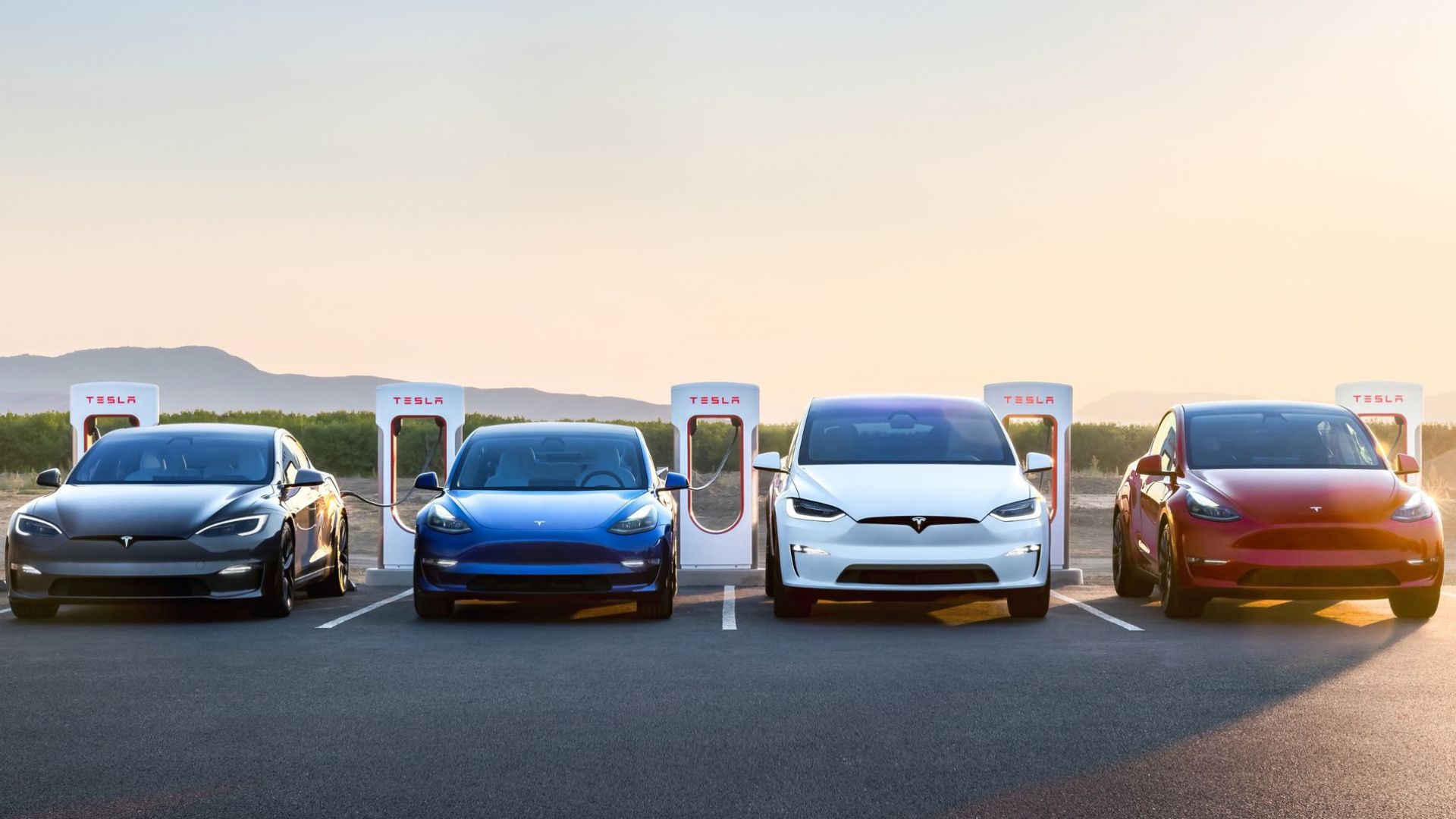
Tesla has lost its position as the world’s largest electric vehicle manufacturer after annual sales declined for a second consecutive year, reflecting growing competitive and political pressures on the company.
The automaker reported deliveries of 1.64 million vehicles in 2025, representing a 9% drop from the previous year. That decline allowed Chinese rival BYD to take the top global spot, with 2.26 million vehicles sold during the same period. The shift marks a significant change in leadership within the rapidly expanding electric vehicle market, where Tesla once held a commanding advantage.
Tesla’s challenges have been building across multiple fronts. Overseas competition has intensified, particularly in China, where domestic manufacturers continue to expand production and offer lower-priced alternatives. At the same time, some customers have distanced themselves from the brand in response to backlash tied to CEO Elon Musk’s political positions, which have drawn increasing scrutiny and criticism.
The slowdown was also evident in the final quarter of the year. Tesla delivered 418,227 vehicles in the fourth quarter, missing analyst expectations of roughly 440,000 units. The shortfall came as a key federal incentive expired. A $7,500 tax credit, which had supported electric vehicle demand, was phased out at the end of September, likely contributing to weaker late-year sales.
Despite the sales decline, Tesla’s stock performance remained relatively resilient. Shares ended 2025 with an approximate 11% gain, signaling continued investor confidence in the company’s long-term strategy. That optimism centers on Musk’s push to position Tesla as a leader in autonomous ride-hailing services and the development of humanoid robots designed to handle basic tasks in homes and workplaces.
Market sentiment showed early signs of stability following the sales announcement, with Tesla shares rising nearly 2% before the opening bell Friday. While Tesla faces mounting pressure in the global EV race, investors appear focused on whether its future technologies can offset current declines in vehicle deliveries.
 Shawn Henry