
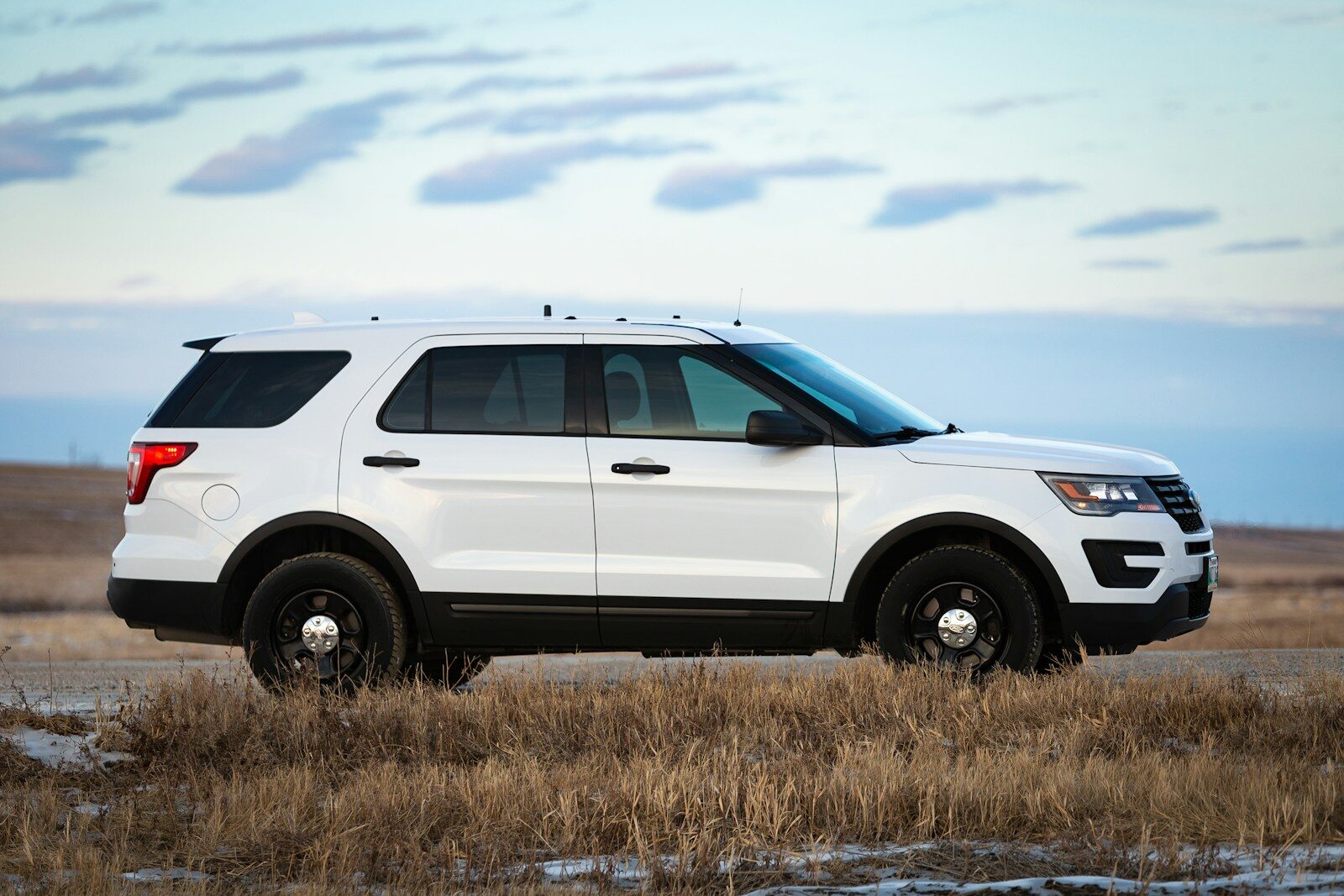
Ford is recalling 35,772 Explorer SUVs after a software defect was found that can cause headlights to turn in the wrong direction, potentially blinding other drivers and cutting down nighttime visibility for everyone involved. The recall covers 2025 and 2026 Ford Explorer models equipped with dynamic bending headlights, a system built to pivot the beams toward the direction of travel while navigating curves. Federal safety regulators say the malfunction traces back to incorrect software inside the vehicle’s Headlight Control Module, which lets the passenger-side headlight aim improperly while the SUV moves through a turn.
What Actually Goes Wrong
Authorities say the issue causes the headlight beam to shift incorrectly on curved roads. Instead of adjusting to properly illuminate the path ahead, the passenger-side light can point the wrong way entirely, increasing glare for oncoming traffic while simultaneously reducing the driver’s own forward visibility, which is exactly the scenario headlights exist to prevent on dark roads.
The defect centers on the Explorer’s dynamic bending light system, technology meant to improve nighttime driving by steering headlights toward the direction of travel. Investigators determined incorrect programming inside the Headlight Control Module interferes with that function, so when the system activates through a curve, the passenger-side headlight can pivot the wrong way instead of following the road’s arc, sending a strong beam toward other vehicles while leaving the actual lane ahead poorly lit.
Why This Violates Federal Safety Standards
Federal regulators say the issue violates Federal Motor Vehicle Safety Standard No. 108, which governs lighting equipment on U.S. motor vehicles and sets requirements for how headlights and other lighting systems need to perform so drivers can see the road without blinding other motorists. A system that causes excessive glare or fails to properly illuminate the roadway falls outside those requirements, plain and simple.
Ford estimates every vehicle covered by the recall may carry the defect, a campaign spanning all 35,772 Explorer SUVs built for the 2025 and 2026 model years. Affected owners will receive notification directly from the company explaining the issue and the steps needed to fix it.
How Ford Plans to Fix It
The company plans to resolve the defect through a software update correcting the programming inside the Headlight Control Module. In many cases, the fix can be delivered over the air, letting the vehicle receive the corrected software without a dealership visit, though owners who’d rather have it done in person can still visit a Ford or Lincoln dealership for the update.
Ford says the repair will be free of charge. The company expects to begin notifying affected customers between March 23 and March 27, 2026, and VINs for the affected SUVs are scheduled to become searchable starting March 19, letting owners confirm whether their specific vehicle is included.
Part of a Much Bigger Recall Pattern
This headlight issue adds to a growing list of recent recall actions tied to Ford’s midsize SUV lineup. Earlier campaigns have targeted separate Explorer problems, including certain 2026 models with windshields that could detach under specific conditions, with each recall addressing a distinct component or system flagged through safety investigations or internal quality reviews.
Ford’s overall recall pace has drawn plenty of attention across the industry. The company issued 153 recall actions in 2025 alone, the highest single-year total in its history, putting it well ahead of every other major automaker in total recall volume. As of early 2026, Ford has already issued 19 more recall campaigns across its lineup, again outpacing competitors on total safety actions for the year. For comparison, government safety databases show General Motors ranks second among major automakers with six recorded recalls so far this year, with Toyota and Hyundai further behind over the same period.
Why the Recall Volume Keeps Climbing
Company officials maintain the higher numbers reflect a more aggressive strategy for catching and correcting safety issues early, pointing to expanded internal teams dedicated to safety monitoring and defect detection meant to catch problems before they grow into bigger safety concerns. Even accounting for that explanation, the sheer pace of recalls has stayed elevated well into 2026.
What Explorer Owners Should Do Now
For owners covered by this specific recall, the fix is straightforward once the update becomes available. The corrected Headlight Control Module programming is designed to make the dynamic bending lights operate properly through curves again, directing light down the path of travel to help drivers see farther on winding roads without throwing glare at oncoming traffic.
Until the update installs, the defect remains capable of causing incorrect headlight movement in affected vehicles, so drivers noticing unusual headlight behavior at night should check the VIN lookup tool once it goes live on March 19. Notification letters start arriving in late March with instructions for getting the update, whether through an over-the-air install or a dealership appointment, and the recall campaign stays open until every affected vehicle receives the fix.