
A car fraud case that ends with a federal prison sentence isn’t unusual. One that gets built by the FBI’s Joint Terrorism Task Force is. Here’s how a Tampa dealer’s loan scheme and an attempted Rolls-Royce smuggling operation ended up on that unit’s desk — and how the whole case wrapped up in court.
The Conviction and the Sentence
Mohamad Jihad Fakih, 27, was convicted on August 21, 2025, of conspiracy to commit wire fraud and attempting to export a stolen motor vehicle. U.S. Senior District Judge Virginia M. Hernandez Covington sentenced him to 54 months in federal prison and ordered forfeiture of $378,886.96 tied to the proceeds of the operation — a sentence that closes out a case built from financial records, loan documentation, shipping manifests, and insurance filings.
An Unusual Investigative Path
What stands out here is who did the digging: the FBI’s Joint Terrorism Task Force, a unit that primarily focuses on national security threats but also partners with federal agencies on complex financial crimes and international smuggling cases when they intersect with broader investigative priorities. That a routine-sounding auto loan fraud case escalated into a JTTF investigation says something about how seriously authorities treated the international export component once it surfaced.
How the Fraud Actually Worked, In Six Repeated Cycles
According to prosecutors, Fakih worked with at least one accomplice to recruit straw purchasers, listing them on financing paperwork as buyers of vehicles that were never legitimately sold. Financing companies approved the loans believing real purchases had occurred, then wired the funds to Fakih, who split the proceeds with his accomplice and the straw purchasers. Investigators say this exact cycle repeated across at least six transactions, generating more than $372,000 before the insurance-fraud layer was even factored in — Fakih also filed false stolen-vehicle claims on cars that had never actually been sold, adding a second revenue stream on top of the loan fraud itself.
The Rolls-Royce That Almost Left the Country
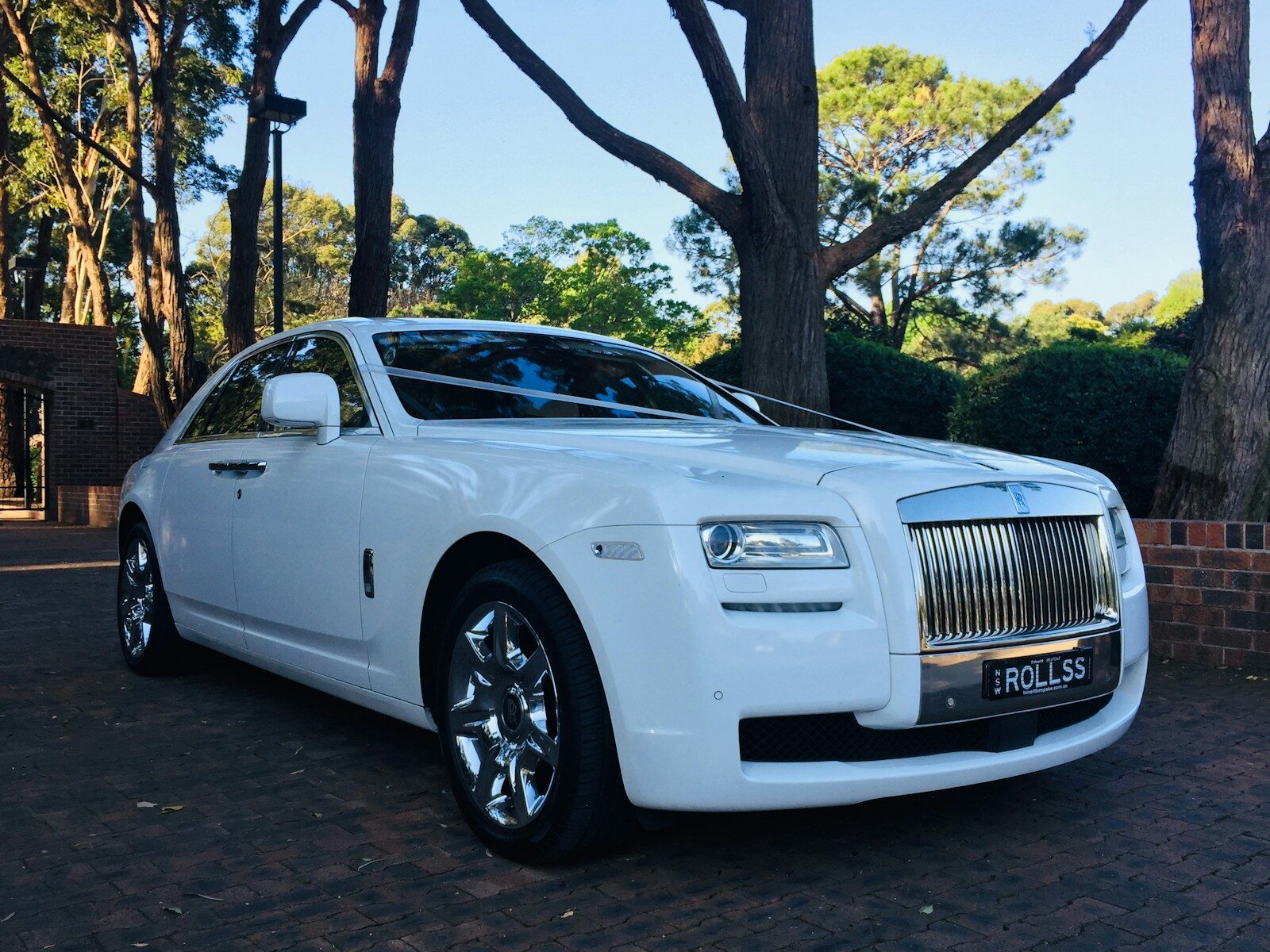
Separately, Fakih used one of his straw purchasers to obtain a stolen Rolls-Royce Cullinan — an ultra-luxury SUV with a manufacturer’s suggested retail price around $460,000 — and arranged to ship it overseas through the Port of Savannah using a shipping manifest prosecutors say was falsified to hide the vehicle’s presence in the container. U.S. Customs and Border Protection officers inspected the container before it left the country, found the Cullinan inside, confirmed it as stolen, and seized it.
Why This Case Matters Beyond One Dealer
Federal investigators describe attempted exports of high-value stolen vehicles as a growing concern precisely because of how difficult recovery becomes once a vehicle actually leaves the country — luxury SUVs and performance cars are attractive targets for exactly that reason, given their resale value in international markets. The interception here prevented the loss of a vehicle worth nearly half a million dollars, and the broader sentencing closes out a case that combined old-fashioned loan fraud with a genuinely international smuggling attempt.