 By Shawn Henry
This week in automotive news saw dramatic shifts in electrification strategy, major safety actions from global brands, and industry trends that reflect the market’s changing realities. From Lamborghini rethinking its electric future to widespread EV recalls and broader market signals pointing to hybrid resurgence and evolving consumer demand, this roundup covers the developments shaping the auto world right now
This Week’s Key Takeaways
- Lamborghini’s strategic retreat from pure electric vehicles marks one of the most significant industry pivots of the year, emphasizing hybrid technology and experiential performance over full electrification.
- Safety remains a dominant news driver, with major recalls from Ford and Volvo highlighting ongoing quality and compliance challenges across both ICE and EV platforms.
- Broader market trends suggest continued evolution in consumer demand and manufacturer strategy as the automotive industry navigates a transitional phase of electrification and regulatory complexity.
Lamborghini Cancels Its First All-Electric Supercar, Shifts Focus to Hybrids
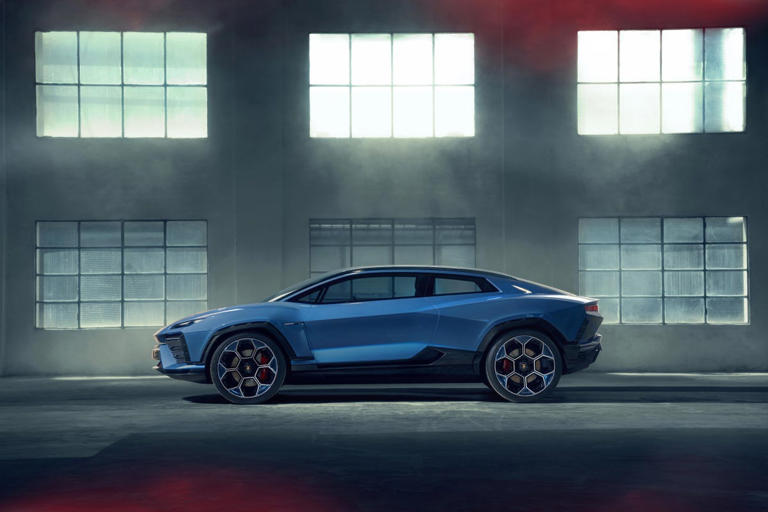
Luxury marque Lamborghini has officially abandoned plans to build its first full-electric vehicle, the Lanzador, which was unveiled as a concept in 2023 and scheduled for production as a 2029 model. After internal review and customer feedback, CEO Stephan Winkelmann concluded that demand for high-end electric vehicles in Lamborghini’s niche is extremely weak, and that EVs currently fail to deliver the emotional experience (notably engine sound and tactile feedback) that the brand’s clientele values. As a result, the Lanzador project will be reworked as a plug-in hybrid (PHEV) and the company will continue building combustion engines “for as long as possible.” Lamborghini aims to transition its lineup to all PHEVs by 2030 rather than pure EVs — a strategic shift reflecting broader industry sentiment on electrification timelines.
This move aligns with similar recalibrations at other luxury and performance brands, where full electrification has faced resistance from core buyers, and highlights an ongoing debate about how and when electrification should be adopted at the high end of the market.
Ford Issues Major Explorer Recall Over Steering Safety
Ford has announced a significant recall affecting more than 412,000 Explorer SUVs from model years 2017–2019 due to a defect in the rear suspension toe link, which can fracture and reduce steering control. National Highway Traffic Safety Administration (NHTSA) filings indicate that owners may notice unstable handling, misaligned wheels, or unusual noises if the component fails. Ford plans to replace the affected parts with reinforced assemblies at no cost to owners. Dealer notifications begin February 25, and owner notices will be mailed starting March 9. This recall adds to Ford’s substantial safety actions in recent years and continues a trend of high-volume recall campaigns aimed at addressing potential crash risks.
In addition to the Explorer recall, Ford is also managing separate recall actions involving battery failures and brake pedal defects on other models, further underscoring the scale of its safety compliance efforts.
Volvo Recalls Over 40,000 EX30 EVs for Battery Fire Risk
Volvo Cars has initiated a global recall of more than 40,000 EX30 electric SUVs due to a potential battery overheating issue that could lead to a fire hazard. The recall affects certain Single-Motor Extended Range and Twin-Motor Performance variants equipped with high-voltage batteries, and builds on a December safety advisory that instructed owners to limit charging to 70% and avoid parking in enclosed spaces. Volvo will replace faulty battery modules free of charge and is contacting affected customers with instructions. Analysts warn that this issue — involving one of Volvo’s key EV models — could hinder the brand’s efforts to grow in the competitive EV market, where it faces rising pressure from more affordable offerings from Chinese automakers.
Battery-related recalls have become more prominent industry-wide, reinforcing ongoing concerns about EV battery safety and quality control.
This Week’s Market and Industry Trends
EV Demand and Strategy Reassessment:
Lamborghini’s pivot away from a fully electric supercar underscores a larger recalibration in the auto industry, where some manufacturers are slowing EV rollouts or tempering expectations amid uneven consumer demand and technological challenges. Analysts note that electrification strategies are evolving rather than accelerating uniformly.
Global Sales and Market Conditions:
Data from multiple sources indicate shifting sales patterns and a fragmented new-vehicle market in 2026. Automotive professionals continue to watch trends in tariffs, supply chains, and consumer preferences as part of a more complex strategic landscape for OEMs and dealers.
Dealership and Economic Signals:
Commentary from dealer networks highlights how economic factors like negative equity, tax refunds, and seasonal demand are affecting sales strategies this spring, even as macroeconomic uncertainties persist.
Thanks for reading this week’s Weekly Automotive News Digest on The Auto Wire. We’ll be back next week with more reporting on the latest industry moves, recalls, and trends shaping the auto world. Stay tuned, and let us know what you’re watching or wondering about next.