 By Eve Nowell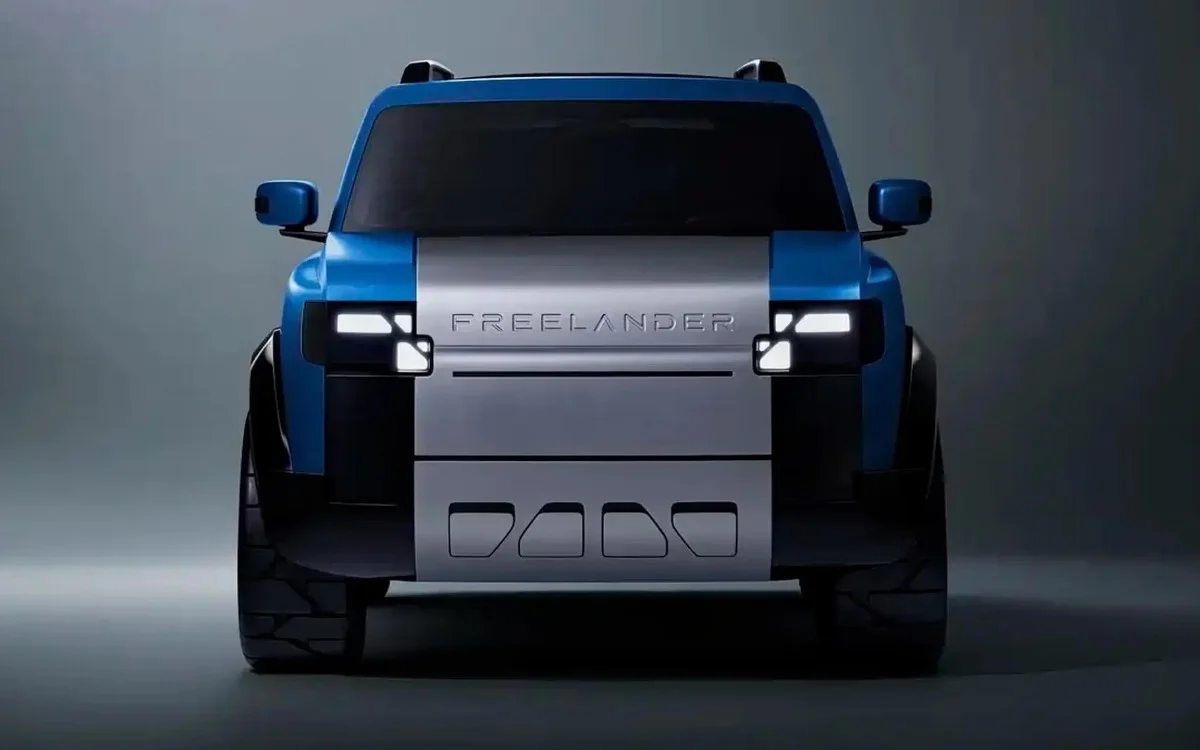
The Freelander name is coming back, but this isn’t some nostalgic badge slapped onto a single SUV and called a day. Jaguar Land Rover is doing something bigger here, and honestly, a little riskier. Instead of reviving the Freelander as just another model in the lineup, they’ve turned it into its own brand.
Yeah, a full brand. Not under Land Rover in the traditional sense, not just a trim or sub-model. Something separate, built from the ground up with a different strategy. And that alone changes the conversation.
Here’s what’s happening. JLR has partnered with Chinese automaker Chery to relaunch Freelander, starting in China. The debut already took place in Shanghai, with production set to happen in Changshu. That part isn’t surprising. What is surprising is how far they plan to take it.
This isn’t a one-off project.
The goal is to build an entire lineup under the Freelander name, with at least five or six vehicles expected over the next five years. That’s not dipping a toe in the water. That’s jumping straight in.
And that’s where things start to shift.
JLR has been quietly moving toward what it calls a house of brands strategy. You’ve already seen hints of it. Range Rover isn’t just a model anymore, it’s treated like its own identity. The Evoque, for example, sits under that umbrella rather than being pushed as a traditional Land Rover product.
But Freelander is different. This isn’t a sub-brand living inside the existing structure. It’s a new company entirely, built in partnership with Chery, using a name that already carries weight. That’s a bold move, especially when that name has history attached to it.
The original Freelander first showed up in 1997. It wasn’t trying to be the toughest off-roader on the planet, but it carved out a space for itself as something more accessible, more usable day to day. It had a role. People knew what it was.
Now it’s being asked to mean something else.
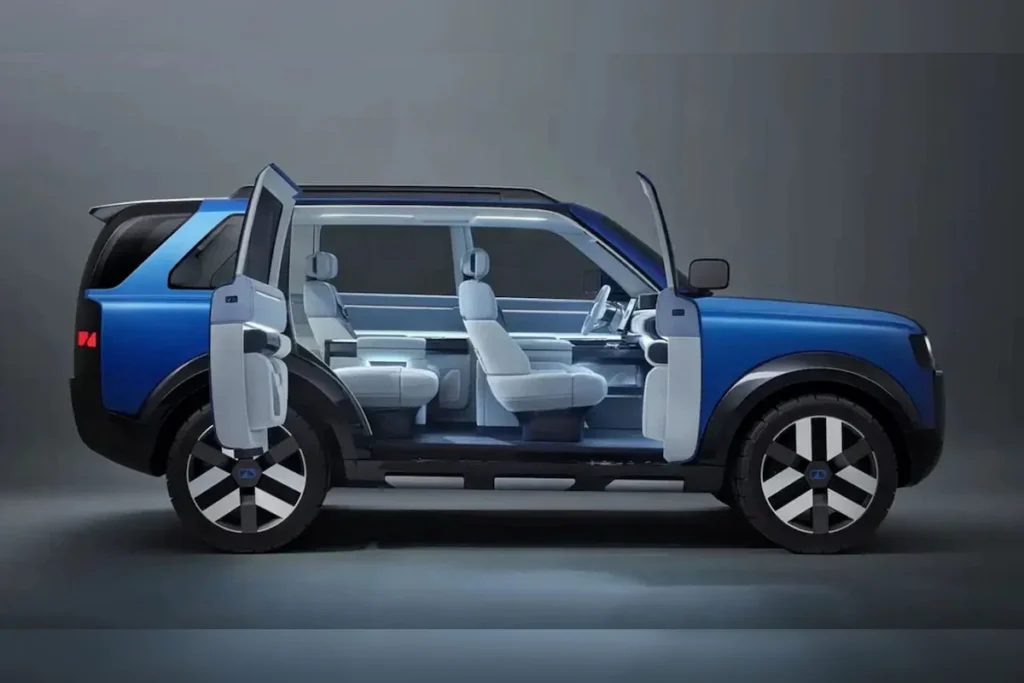
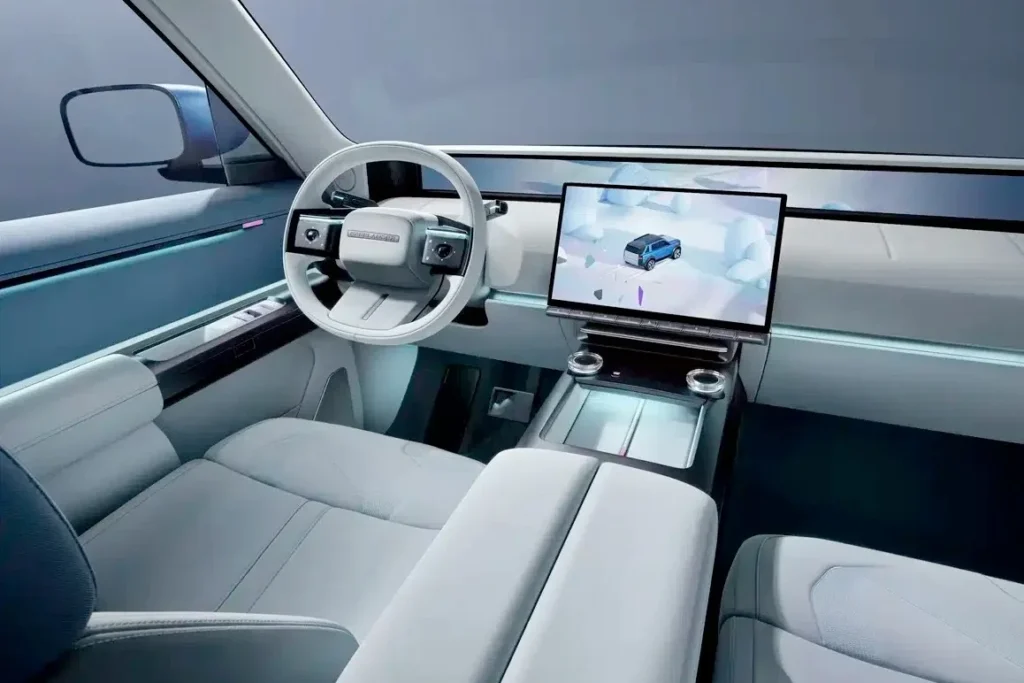
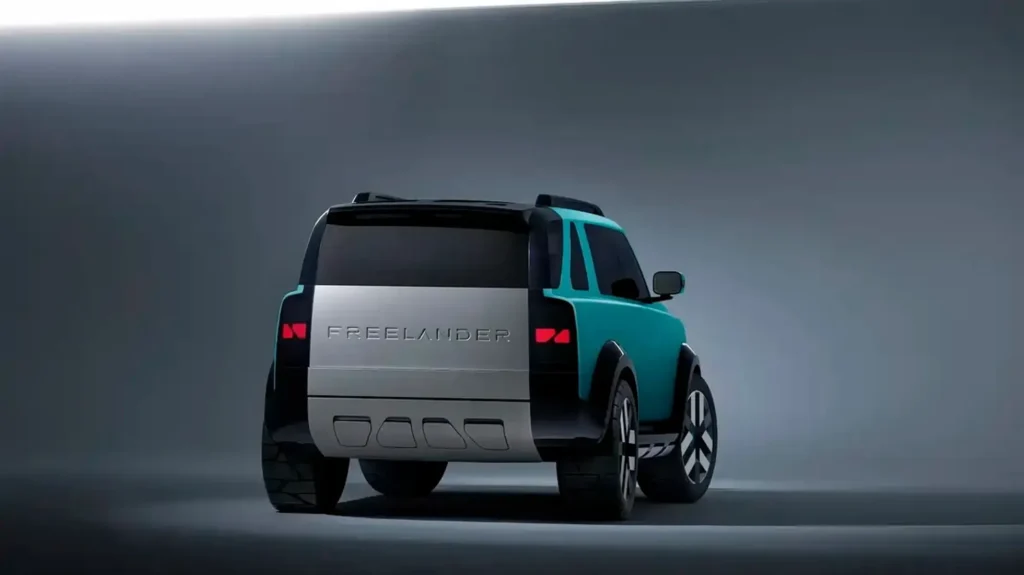
The first glimpse of that new direction comes in the form of the Freelander 97 Concept. The name nods to the original launch year, but everything else points forward. This is a modern 4×4 with a focus on tech, electrification, and a more premium interior experience.
It’s not just about getting dirty anymore.
Here’s the part that matters. JLR and Chery aren’t going all-in on full electric vehicles with this brand. That might sound surprising given where the industry is heading, but it’s intentional. Alongside EVs, they’re planning extended-range electric vehicles and plug-in hybrids.
That decision opens the door to a wider range of buyers. Not everyone is ready to commit to full electric, especially in markets where charging infrastructure still has gaps. Offering multiple powertrain options gives Freelander a better shot at actually gaining traction.
But it also complicates things.
Balancing EVs, hybrids, and extended-range setups under one identity isn’t easy. Each comes with different expectations, different use cases, and different compromises. Pulling that off without diluting the brand is going to be a challenge.
And then there’s the market itself.
Right now, this new Freelander brand is heavily centered around China. That’s where it launched, and that’s where production will happen. But it’s not staying there. Plans are already in place to expand into the Middle East and Europe.
So this isn’t a regional experiment. It’s global, or at least that’s the intention.
Which raises another question. Where does this leave Land Rover?
Because let’s be honest, Freelander used to sit within that world. It was part of the broader lineup. Now it’s stepping outside, carrying some of that legacy with it but operating independently. That creates a bit of overlap, especially when you consider that these new vehicles are still expected to have off-road capability baked in.
Not hardcore, rock-crawling territory necessarily, but definitely more than just soft-road crossovers.
That overlap could work, or it could get messy.
If Freelander leans too far into luxury, it risks stepping on Range Rover territory. If it leans too far into ruggedness, it starts looking like Land Rover again. Finding the balance is going to be key, and right now, there isn’t a clear answer on where that line will land.
What we do know is that JLR is serious about this direction.
Launching a new brand, especially one built on an existing name, isn’t cheap and it’s not quick. The fact that they’re committing to multiple models over several years shows this isn’t a test run. They’re expecting this to stick.
And there’s a bigger picture here.
The industry is shifting fast. Electrification is pushing manufacturers into new territory, and traditional brand structures don’t always fit anymore. Splitting off identities, creating sub-brands, or in this case entirely new brands, is becoming a way to adapt without dragging legacy expectations along for the ride.
Freelander is now part of that trend.
It’s a reset, in a way. A chance to take a familiar name and build something new around it without being boxed in by what it used to be. That can be powerful, but it also comes with pressure.
People remember the original. They’re going to compare.
And if this new version doesn’t deliver, that name recognition could turn from an advantage into a problem pretty quickly.
Still, there’s something refreshing about the approach. Instead of playing it safe and quietly reintroducing the Freelander as another SUV in a crowded lineup, JLR is taking a swing. Partnering with Chery, building in China, expanding globally, mixing powertrains, and aiming for volume across multiple models.
That’s not cautious. That’s calculated risk.
Now it comes down to execution.
Because bringing a name back is one thing. Turning it into a successful brand is something else entirely.
 Shawn Henry