
A bipartisan group of lawmakers is preparing to launch one of the biggest attacks yet on police surveillance technology in America, and it could shut down automated license plate reader systems nationwide almost overnight.
More Stories Like This
- Teen Shot at Massachusetts Car Meet as Burning Stolen Car Full of Bullet Holes Sends Crowd Running
- Hellcat Murder Case Takes Dramatic Turn After Suspect Rejects Plea Deal in Deadly AirTag Tracking Confrontation
The amendment, expected to be introduced during a House committee markup hearing Thursday, would ban recipients of federal highway funding from using automated license plate readers for anything except toll collection. On paper, the proposal is only one sentence long. In practice, it could cripple one of the fastest-growing surveillance systems in the country.
That’s where things change.
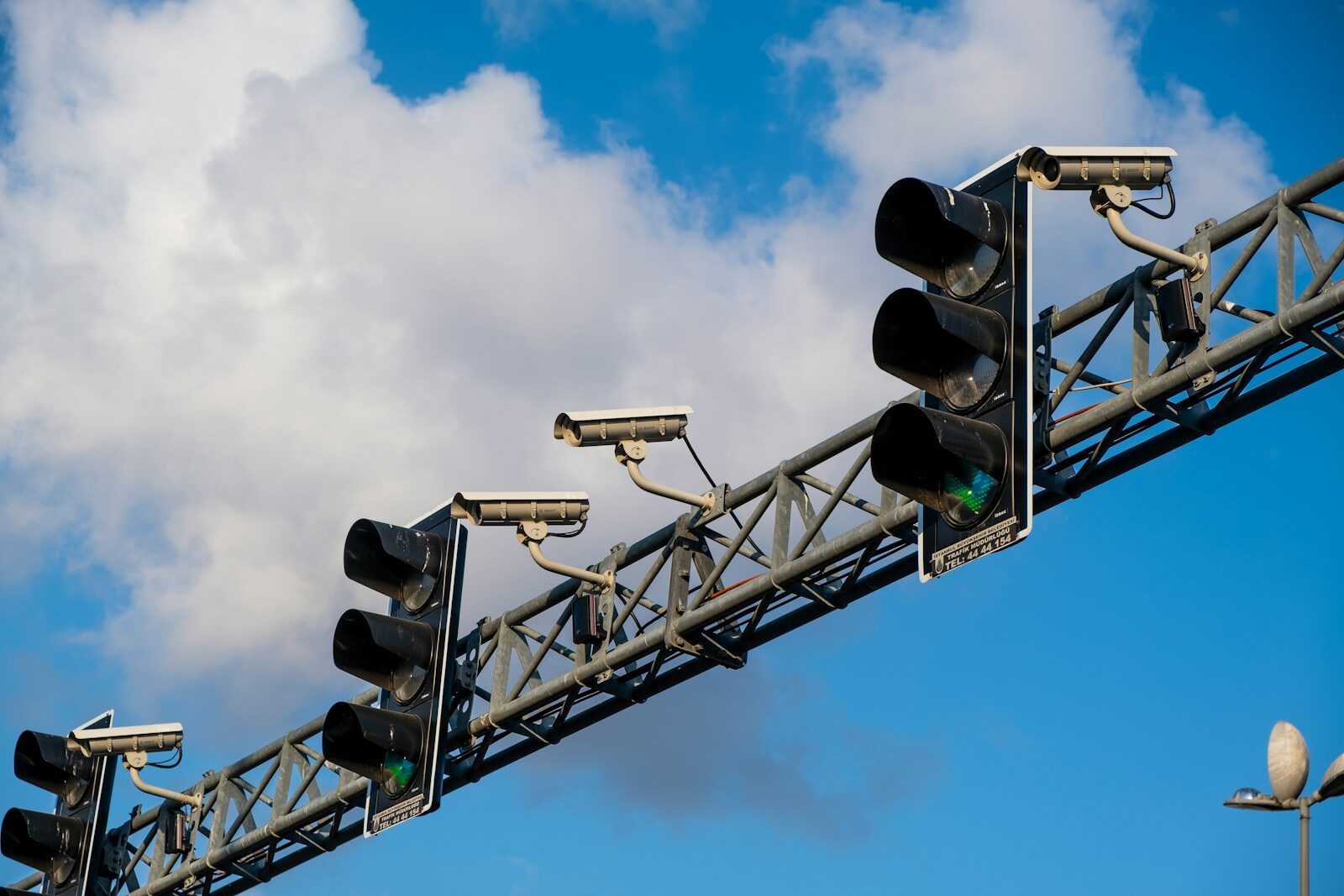
Automated license plate reader systems, commonly called ALPRs, have quietly spread across American roads over the past several years. Cameras mounted on traffic lights, overpasses, poles, and police vehicles photograph passing plates, log timestamps and locations, and feed that information into searchable databases shared between agencies. Supporters call them crime-fighting tools. Critics call them a rolling surveillance dragnet.
Now Congress is stepping directly into the fight.
The amendment is being sponsored by Representative Scott Perry, a Republican from Pennsylvania and member of the Freedom Caucus, alongside Democratic Representative Jesús “Chuy” García of Illinois. The two lawmakers come from opposite ideological camps, but both appear aligned on one issue: concern over how far vehicle tracking technology has expanded without meaningful limits.
The proposal is tied to a massive $580 billion federal transportation reauthorization bill being considered by the House Transportation and Infrastructure Committee. That detail matters because Title 23 federal highway money touches roughly a quarter of all public road mileage in the United States. Most states, counties, and cities rely heavily on that funding.
Here’s the part that matters most for local governments and police departments. The amendment does not technically outlaw ALPR cameras outright. Instead, it creates a condition tied to federal transportation money. If jurisdictions want federal highway funding, they would have to stop using the technology for anything beyond tolling operations.
That puts cities and states in a brutal position.
They can either walk away from federal money that helps maintain roads and transportation infrastructure, or they can dismantle existing ALPR programs and reshape how the technology is used. Historically, states almost never reject major federal transportation funding packages. That reality gives the amendment enormous leverage even without an outright federal ban.
The timing is not random.
ALPR systems have become increasingly controversial after a string of reports involving data sharing, privacy concerns, and alleged misuse. Illinois became one of the biggest battlegrounds in the national debate after Secretary of State Alexi Giannoulias announced last year that an audit found Atlanta-based Flock Group violated state law by allowing US Customs and Border Protection access to Illinois plate-reader data.
Flock operates the country’s largest ALPR network. After the Illinois findings became public, the company said it would pause federal pilot programs nationwide. The company also acknowledged that earlier public statements had inaccurately denied the existence of those federal arrangements.
That episode poured gasoline on an already growing privacy backlash.
Critics of ALPR technology argue that these systems have evolved far beyond targeted policing tools. Instead, they say the technology effectively creates a nationwide tracking network capable of monitoring where drivers travel, when they move, and how often they visit certain locations. Privacy advocates have spent years warning that combining vehicle tracking with other forms of digital surveillance could fundamentally reshape how Americans are monitored in public spaces.
And this is where the political coalition against ALPRs starts getting unusual.
Civil liberties groups, privacy advocates, progressive organizations, and conservative lawmakers suspicious of government surveillance have increasingly found themselves on the same side. The Electronic Frontier Foundation has documented previous cases involving alleged misuse of license plate data, including targeting mosques and disproportionate camera deployment in low-income neighborhoods.
One of the most explosive examples emerged from Texas. Court records obtained by the EFF and reported last year revealed that a sheriff’s deputy searched Flock’s nationwide camera network while attempting to track a woman connected to an abortion investigation.
That story intensified concerns that ALPR systems could easily move beyond violent crime investigations into highly personal or politically charged territory.
Meanwhile, police departments and supporters of the technology argue the systems are critical public safety tools. Flock pointed to law enforcement officials in the Austin, Texas, area who credited ALPR technology with helping identify suspects tied to multiple shootings and other crimes. The company warned lawmakers against restricting tools that police agencies say help solve cases quickly.
But Austin itself became a major flash point in the surveillance debate last year after city manager TC Broadnax effectively shut down the city’s use of Flock cameras following public backlash over privacy concerns. The decision reportedly went against the wishes of the Austin Police Department.
That conflict exposed a deeper divide now playing out nationwide.
Police agencies increasingly want more technological tools, more data integration, and broader monitoring capabilities. At the same time, public skepticism around surveillance systems is growing fast, especially when agencies cannot clearly explain how long data is stored, who can access it, or how often searches occur.
Related Incidents
- Classic Car Buyers Lose Thousands After Scammers Hijack Real Auto Shops in Multi-State Fraud Scheme
- Stellantis’ Stunning Comeback: Hemi V8 Demand Helps Reverse $26 Billion Collapse as Massive Cost Cuts Begin
- The Real Story Behind a 1966 Mustang Running Tesla Full Self-Driving and Why It’s Exposing a Major Industry Standoff
San Jose, California, has become another major battlefield. The Institute for Justice filed a class action lawsuit against the city and police department in April, arguing that the city’s 474-camera network violates Fourth Amendment protections. According to the complaint, the system captured more than 360 million photographs in 2024 and was searched about 15,000 times daily by police agencies across California during the second half of 2025.
That scale changes the conversation entirely.
This is no longer about isolated police cameras tracking stolen vehicles in specific neighborhoods. Critics argue the systems are becoming massive interconnected databases capable of reconstructing the movements of ordinary drivers who are not suspected of crimes at all.
Federal courts have so far hesitated to fully classify ALPR searches as unconstitutional under the Fourth Amendment. Some rulings have held that drivers have limited expectations of privacy on public roads. But legal pressure is building. A Congressional Research Service brief earlier this year noted that courts are increasingly signaling concern about how rapidly advancing surveillance technology could eventually cross constitutional lines.
The Perry-García amendment attempts to bypass that constitutional uncertainty completely.
Instead of waiting years for federal courts to settle the issue, Congress would simply use spending power to force compliance. It is the same basic strategy the federal government previously used with drinking age requirements and DUI standards tied to transportation funding.
And honestly, that’s why this fight matters far beyond license plate cameras themselves.
If Congress succeeds here, it could establish a blueprint for future restrictions on surveillance technology tied directly to federal money. Police departments, cities, and tech companies have spent years building massive interconnected monitoring systems with relatively little public attention. Now lawmakers from both parties appear willing to challenge how far those systems have expanded.
For drivers and car enthusiasts, the outcome could reshape the relationship between public roads and surveillance for years to come. Because once highways become permanent tracking networks, the question stops being whether technology can monitor drivers.
The real question becomes who gets to control the data collected from every car passing under those cameras every single day.
Continue Reading: The Real Story Behind the $70K Honda S2000 With 835 Miles and Why This Auction Is Shaking the Collector Car Market