 By John Lloyd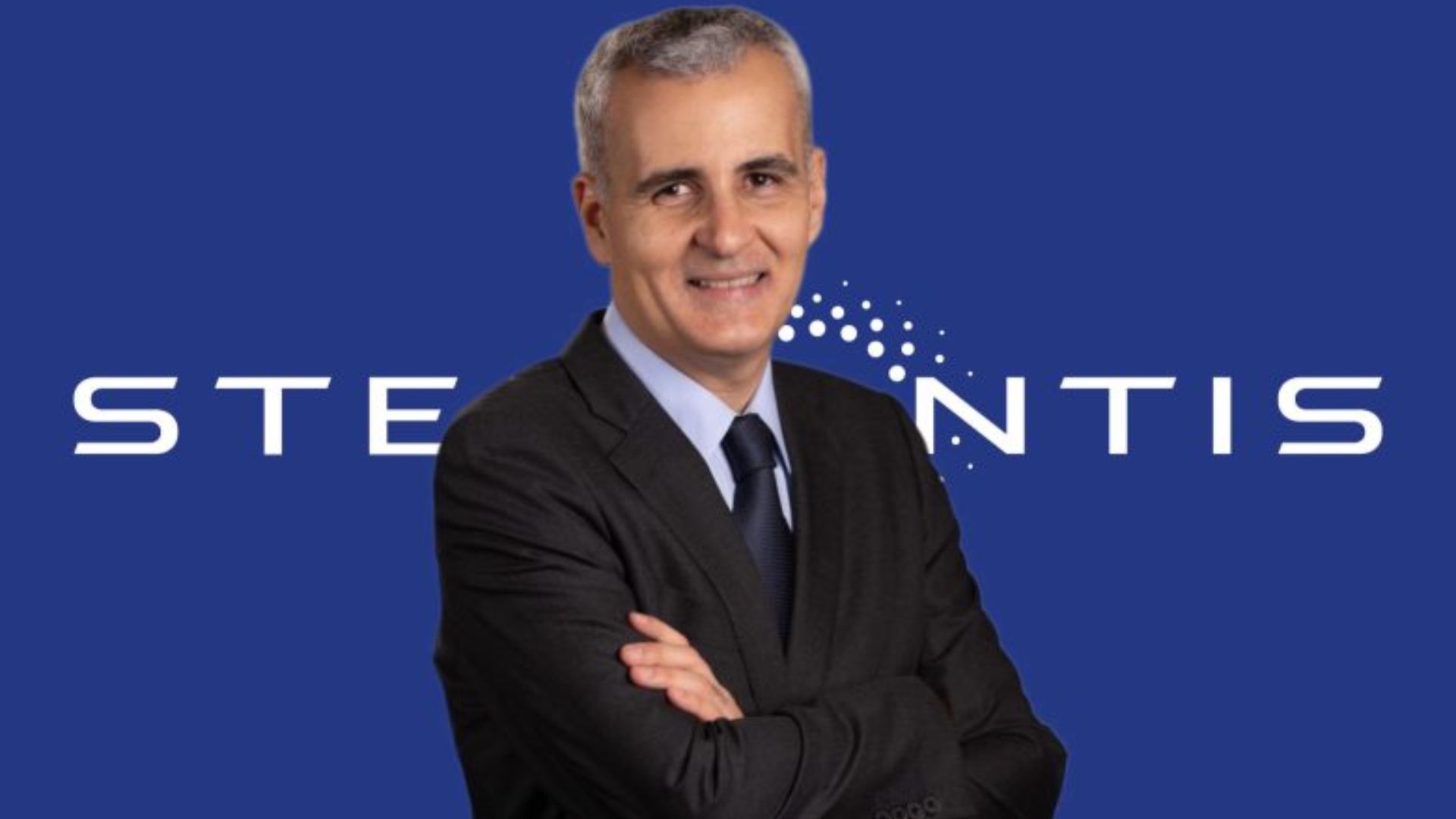
Stellantis looked like a company in serious trouble just a year ago. A staggering $26 billion loss rocked the automotive giant, marking its first annual loss since the merger that created the company in 2021. Then things got even uglier. By the first quarter of 2025, the company had already lost another $454 million, signaling deeper problems inside one of the world’s largest automakers.
Now the company says it’s back in the black. And one of the biggest reasons behind that turnaround is something many enthusiasts feared was being pushed aside: the Hemi V8.
More Stories Like This
- Texas Gas Station Clash: Woman Caught Kicking Corvette Z06 Sparks Heated Fight Over Noise, Property Damage, and Driver Rights, Watch
- Inside the Missouri City Chop Shop Bust: Stolen Trucks, Multi-Agency Crackdown, and What It Means for Car Owners
- $350K Shocker: Modified “New” Acura NSX-T Sparks Collector War and Rewrites What Enthusiasts Pay For
That’s where this story gets interesting.
Stellantis reported a $440 million profit for the first quarter of 2026, a major reversal from the losses that piled up over the previous year. CEO Antonio Filosa is crediting an aggressive internal recovery effort called the Value Creation Program, or VCP, which combines major cost-cutting with a renewed focus on high-profit vehicles that buyers actually want.
For a company that spent the last few years facing criticism over pricing, product decisions, and uncertainty around performance vehicles, the early results are hard to ignore.
The Hemi is suddenly one of the most important engines in Stellantis’ entire business strategy.
Filosa confirmed that demand for Hemi-powered Ram trucks has surged hard enough that 40% of Ram sales during the first quarter came from Hemi-equipped models. That detail matters because it cuts directly against the idea that traditional V8 demand is disappearing overnight. Enthusiasts and truck buyers kept buying the engine despite years of pressure across the industry to move away from large-displacement performance powertrains.
At the same time, Stellantis is also seeing strength from high-profit Jeep models and the new Dodge Challenger Sixpack lineup, which revives one of the most recognizable muscle car names in American automotive culture.
This is where the story turns.
For years, automakers pushed heavily toward electrification while scaling back or outright killing performance V8 programs. Enthusiasts repeatedly warned that companies risked alienating loyal buyers in the process. Stellantis itself faced backlash over product direction, pricing concerns, and uncertainty around future performance models.
Related Incidents
- Vandals Target Police Surveillance Cameras in Oakland — What This Means for Drivers and Street Crime Enforcement
- Rivian Cuts $2 Billion From Federal Loan But Expands Georgia Plant Output—What This Means for EV Production Power
Now one of the clearest signs of recovery inside the company is tied directly to vehicles many believed were on borrowed time.
Filosa announced the next phase of the recovery plan during a quarterly sales call on April 30. The Value Creation Program will expand globally with what he described as ambitious targets. Most of the effort will focus on North America and Europe, where Stellantis sees both its biggest opportunities and biggest threats.
The CEO did not reveal the full details of the cost-cutting program yet, but he specifically referenced fixed cost management as a major part of the strategy. More information is expected during a capital markets day event in Michigan on May 21.
And that’s where the pressure starts building.
Cutting costs inside a global automaker is never simple. These programs often trigger plant concerns, internal restructuring, supplier pressure, and difficult decisions about product investments. Stellantis is clearly trying to stabilize itself financially without killing the vehicles that still generate serious profit margins.
You Should Read This Next
NYC ‘Pit Crew’ Theft Ring Busted After $1.2M Parts Heist Leaves 250 Drivers Stranded
Missile Debris Slams Into Tesla Model Y Roof in Israel — What Happened Next Is Turning Heads
So far, North America appears to be carrying much of the weight.
Alongside strong Hemi truck sales, Stellantis is betting heavily on several upcoming launches to keep momentum moving in the right direction. The company expects the Ram 1500 SRT TRX pickup to boost profits, along with the Jeep Wagoneer extended-range EV and the Jeep Recon electric SUV.
That mix says a lot about where the company believes the market is headed.
Instead of abandoning gasoline performance entirely, Stellantis appears to be trying to balance enthusiast-focused products with newer electrified offerings. In other words, the company is not putting all its chips on one technology. That may end up being one of the most important strategic decisions in the entire turnaround effort.
Because outside North America, things get more complicated fast.
Filosa sounded far less confident about Europe, where Stellantis faces increasing pressure from Chinese automakers rapidly expanding across the region. He described expectations there as “breakeven plus,” which is a far more cautious outlook than the optimism surrounding North American sales.
Chinese brands have become a growing force in Europe, particularly in EV segments where aggressive pricing and rapid expansion have shaken up traditional manufacturers. North America has largely been shielded from that pressure for now, but Europe is already dealing with the consequences.
That leaves Stellantis in a difficult balancing act.
The company needs profits from trucks, SUVs, and muscle cars in North America while simultaneously defending itself against rising competition overseas. And unlike some automakers that are going all-in on a single direction, Stellantis appears to be trying to spread risk across both performance gas vehicles and electrified products.
There’s another twist here too.
Even while Filosa says he does not currently see a partnership with a Chinese brand happening in North America, Stellantis already holds a 20% stake in Chinese automaker Leapmotor. That relationship is reportedly growing in Europe and South America, giving Stellantis another angle in markets where Chinese brands are gaining ground quickly.
For enthusiasts, this entire situation says something bigger about the current state of the automotive industry.
Performance vehicles and V8 trucks are still generating serious money. Buyers are still showing up for them. Despite years of predictions about rapid transitions away from traditional powertrains, demand remains strong enough that it is now helping pull one of the world’s biggest automakers back from financial disaster.
At the same time, the company clearly knows the market is changing. That’s why EVs remain part of the future product strategy even while Hemi demand surges.
The real challenge for Stellantis now is whether it can keep both sides of that equation alive long enough to stay profitable. Because if the company cuts too deeply or misreads what buyers actually want again, this comeback could end up being temporary.
Right now, though, one thing is impossible to ignore: the Hemi V8 that many assumed was fading away just became one of the biggest financial lifelines inside Stellantis.
Continue Reading: Consumer Reports Names the Best Cars Built in the USA — And the Results Aren’t What You’d Expect
 Eve Nowell