 By Shawn Henry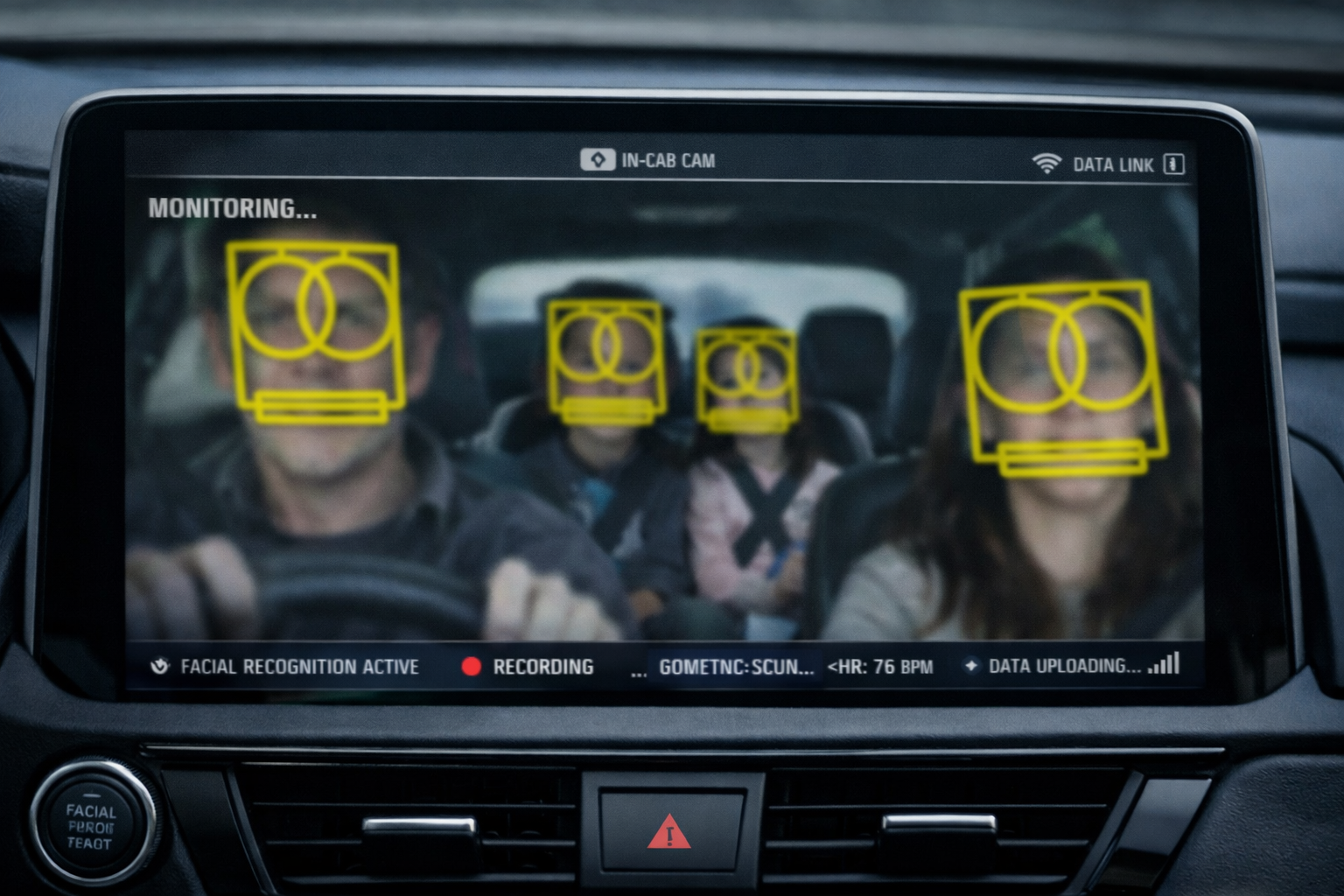
This isn’t some distant concept or experimental feature that might show up years from now. By 2027, every new car sold in the United States could be required to actively monitor the person behind the wheel. That means watching your eyes, tracking your behavior, and constantly evaluating whether you’re alert enough to drive. For a lot of drivers, that starts to feel less like safety and more like surveillance.
And the part that’s catching people off guard is how much control these systems could actually have.
The Law That’s Quietly Changing Cars
Tucked into a broader federal safety initiative is a requirement for impaired-driving detection technology in all new vehicles. The goal sounds simple enough: reduce crashes caused by drunk or fatigued drivers. It’s a problem that has been around for decades, and lawmakers are trying to address it with new technology.
To do that, automakers will need to install systems that monitor drivers in real time. These systems rely on cameras and sensors that track things like eye movement, head position, and overall attentiveness. It’s not just observing — it’s constantly analyzing what the driver is doing.
When the Car Starts Making Decisions
This is where the conversation starts to shift.
If the system detects what it believes is impairment, it doesn’t just issue a warning and move on. In some cases, it could prevent the vehicle from starting or limit how it operates once you’re already driving. That means the car itself becomes the decision-maker, not the person in the driver’s seat.
For many drivers, that raises immediate concerns. It introduces a scenario where a machine decides whether you’re allowed to use something you own, based on its interpretation of your behavior.
The Risk of Getting It Wrong
No system is perfect, and that’s part of the problem.
Fatigue, distraction, or even normal driving habits could potentially be misread by these systems. Something as simple as looking away for a moment or driving late at night could be flagged as a concern, depending on how the system is calibrated. That creates the possibility of false positives that could prevent someone from driving when they’re actually fine.
Those edge cases are where the debate really starts to build. Because once the car has the authority to act, even small errors can turn into major frustrations.
The Data Behind the Surveillance
Beyond what the car does in the moment, there’s a bigger issue sitting in the background.
These systems don’t just observe, they collect data. That includes how you drive, how often you appear distracted, and how the system interprets your behavior over time. The question drivers keep asking is simple: where does that data go?
Right now, there isn’t a clear answer across the board. Concerns are already being raised about whether that information could be shared with insurance companies, manufacturers, or even law enforcement.
Safety vs. Surveillance Debate
Supporters of the technology argue that the benefits are obvious. If these systems can prevent even a fraction of impaired-driving incidents, they could save lives. That’s the entire reason the policy exists, and it’s a difficult goal to argue against.
But the way it’s being implemented is what’s causing pushback. This isn’t a passive safety feature like airbags or traction control. It’s active monitoring that happens every time you get behind the wheel, whether you want it or not.
Cost, Control, and Who’s Really Driving
There’s also the reality of cost to consider.
Adding advanced cameras and monitoring systems to every vehicle isn’t cheap. Those costs will likely be passed on to buyers, meaning drivers could end up paying more for technology they didn’t ask for. At the same time, that technology introduces a new level of control over how and when the car can be used.
That combination is what’s making people uneasy. It’s not just about price, it’s about control shifting away from the driver.
The Bigger Shift Happening Right Now
Cars have been evolving toward more automation for years.
Driver assistance features have slowly added layers of technology between the driver and the road. Lane-keeping systems, automatic braking, and adaptive cruise control all changed how people interact with their vehicles. This takes things a step further by actively judging the driver’s ability to operate the car.
That shift changes the relationship entirely. It moves the car from being a tool to something closer to an overseer.
The Question That Isn’t Going Away
At the center of all of this is a question drivers keep coming back to.
Is this a necessary step forward in safety, or is it the beginning of something that goes too far? The answer depends on how much trust people are willing to place in the technology. It also depends on how much control they’re willing to give up.
Because by 2027, this won’t be theoretical anymore. It will be built into every new car, watching, evaluating, and deciding — whether drivers are comfortable with it or not.
 Eve Nowell