
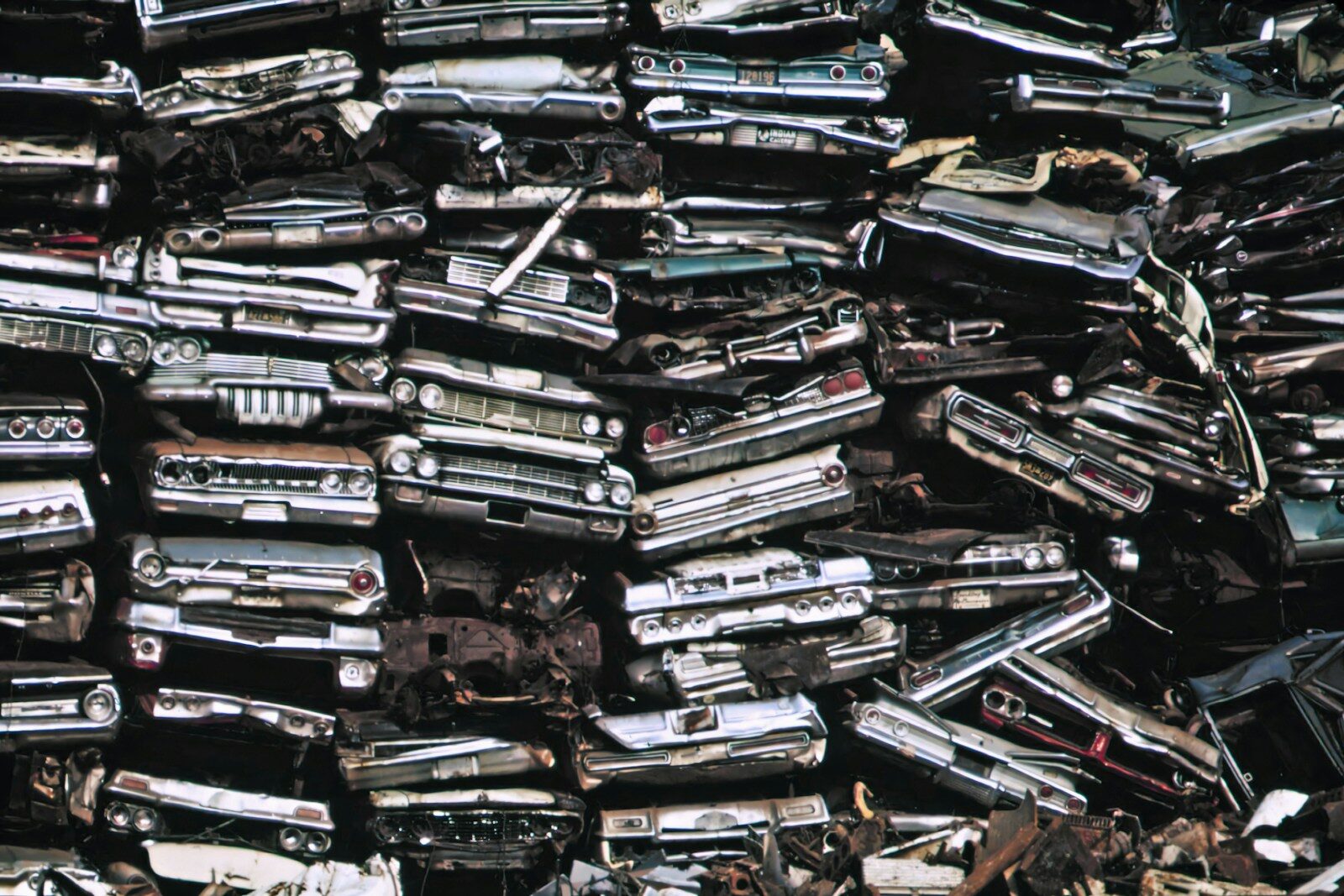
In 2009, the federal government made a decision that still frustrates car enthusiasts, mechanics, collectors, and budget-minded drivers more than 15 years later. Nearly 690,000 vehicles were deliberately destroyed under the Cash for Clunkers program. Not recycled after they wore out, not sold to families who needed affordable transportation, and not donated to people struggling to get by. They were intentionally taken out of service and reduced to scrap.
More Stories Like This
- Teen Shot at Massachusetts Car Meet as Burning Stolen Car Full of Bullet Holes Sends Crowd Running
- Hellcat Murder Case Takes Dramatic Turn After Suspect Rejects Plea Deal in Deadly AirTag Tracking Confrontation
- Driver Tried to Hide Expired Tags With Blue Duct Tape and a Marker — What Happened Next Got the Car Impounded
- 10 Used V8 Cars Getting Shockingly Affordable Right Now
- Ferrari’s $640,000 EV Gamble Just Changed the Supercar Fight Forever
Dealers were required to pour sodium silicate into the engines of qualifying trade-ins and run them until the engines seized permanently. Once that process was complete, the vehicles could never legally return to the road. What had been functioning transportation just minutes earlier became a pile of parts and scrap metal. The images of running vehicles being destroyed became one of the most controversial symbols of the program.
At the time, Washington celebrated Cash for Clunkers as an economic and environmental success. The program was launched during one of the worst economic crises in modern American history, when automakers were struggling and dealership lots were full of unsold vehicles. Policymakers wanted consumers back in showrooms, and they wanted older vehicles replaced with newer, more fuel-efficient models. On paper, the idea sounded simple enough.
The reality was far more complicated. Nearly 700,000 vehicles disappeared from the used-car market in a matter of months. Those vehicles were not all worn-out junkers waiting for the scrapyard. Many were still perfectly capable of serving families, commuters, students, and first-time drivers for years to come. That is one reason the program remains so controversial today.
One of the biggest misconceptions about Cash for Clunkers is that it only targeted vehicles that were essentially worthless. In reality, many of the vehicles destroyed were everyday transportation. They started, ran, drove, and passed inspections. They were exactly the kinds of cars and trucks that would have appealed to buyers looking for affordable transportation instead of a new car payment.
The people most affected by those losses were not the buyers receiving government rebates. They were the people who came afterward. They were college students searching for a reliable first car, single parents trying to stretch a paycheck, and workers looking for dependable transportation without taking on debt. Those buyers suddenly had fewer options available, and the vehicles that remained became more valuable because supply had shrunk.
For enthusiasts, the losses were even harder to swallow. Cash for Clunkers destroyed thousands of vehicles that would be highly desirable today. Fox Body Mustangs, Jeep Cherokees, square-body trucks, OBS pickups, full-size wagons, and countless other vehicles disappeared before anyone realized how collectible they would eventually become. Many enthusiasts still remember watching future classics hauled off to be destroyed.
The destruction did not just remove complete vehicles from circulation. It also reduced the supply of parts that restorers and hobbyists rely on today. Every vehicle that was crushed represented future donor parts that would never be available. Anyone who has spent months searching for hard-to-find trim pieces, interior components, or drivetrain parts understands the long-term impact of reducing the number of surviving vehicles.
Supporters of the program point to fuel economy gains as a major success. There is no question that the replacement vehicles generally delivered better mileage than the cars they replaced. That improvement was one of the program’s primary objectives, and it did move consumers into newer vehicles. The debate has always centered on whether those gains justified destroying nearly 700,000 existing vehicles.
Many of the trade-ins averaged fuel economy in the mid-teens. Many of the replacement vehicles landed somewhere in the mid-20s. Critics argue that while the improvement was real, it was not transformative enough to justify eliminating such a large number of functioning vehicles. The environmental benefits remain a point of debate even today.
The economic consequences continue to generate arguments years later. Cash for Clunkers unquestionably boosted new-car sales during a difficult period for the auto industry. Dealers moved inventory, manufacturers benefited, and policymakers pointed to increased showroom traffic as evidence that the program worked. But many critics argue the government solved one problem by creating another.
Affordable used vehicles have become increasingly difficult to find. Inflation, supply shortages, rising vehicle costs, and changing consumer behavior all played major roles in that trend. However, removing hundreds of thousands of lower-cost vehicles from the market certainly did not help. Basic economics suggests that when supply shrinks, prices often rise, especially for products that remain in demand.
Today, the effects are easy to see. Vehicles that once served as cheap transportation often command surprisingly high prices. Older Civics, Corollas, Rangers, Silverados, Crown Victorias, and Cherokees frequently sell for amounts that would have seemed ridiculous fifteen years ago. Finding a reliable vehicle for a few thousand dollars has become dramatically harder than it once was.
Perhaps the biggest criticism of Cash for Clunkers is philosophical rather than economic. The program treated older vehicles as obstacles to progress rather than assets that still held value. To many Americans, those vehicles represented freedom, independence, and affordable mobility. Destroying them felt less like modernization and more like waste.
Related Incidents
Classic Car Buyers Lose Thousands After Scammers Hijack Real Auto Shops in Multi-State Fraud Scheme
Fifteen years later, the automotive landscape has changed dramatically. New vehicles routinely cost more than many Americans can comfortably afford. Loan terms stretch longer than ever. Used vehicles have become more expensive, and affordable transportation is increasingly difficult to find. At the same time, enthusiasts continue searching for vehicles that once filled classified ads and neighborhood driveways.
Whether Cash for Clunkers achieved its intended goals remains a matter of debate. What is not debated is that nearly 690,000 vehicles were intentionally removed from American roads by government policy. Many of those vehicles still had years of useful life remaining. For countless enthusiasts, mechanics, and working-class drivers, that remains one of the most frustrating automotive decisions of the modern era.
Keep reading: North Carolina Goes After VinFast’s Empty Factory Site as $450 Million EV Deal Collapses