 By Shawn Henry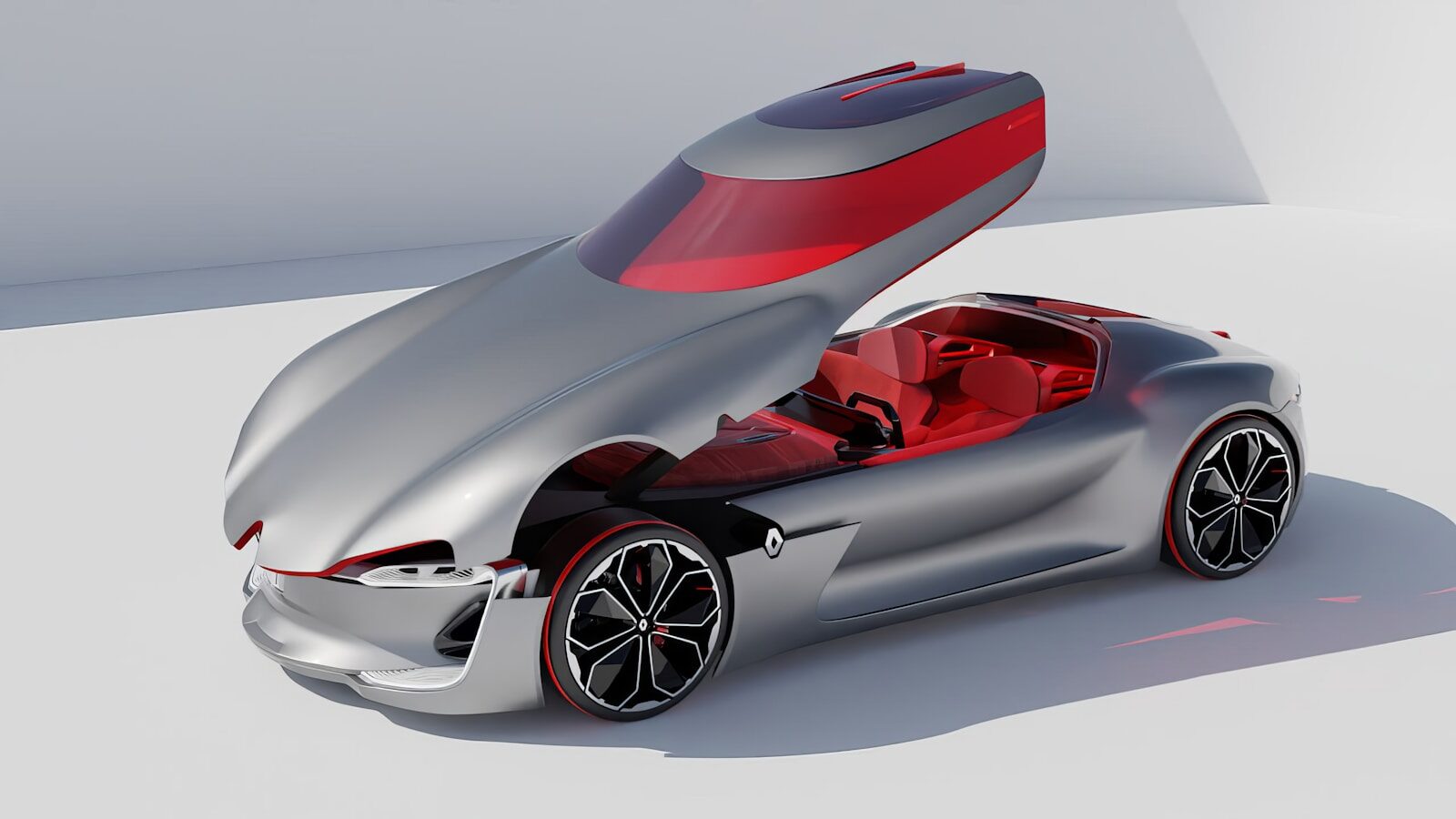
General Motors just quietly flipped one of the oldest parts of car building on its head, and it didn’t take a new engine or some wild concept car to do it. Instead, it’s software. AI, specifically. And not the kind that replaces people, but the kind that moves so fast it makes the old process look almost outdated overnight.
For decades, turning a simple sketch into something that actually looks like a car took time. A lot of it. Designers would start with pencil and paper, then pass ideas through layers of modeling, refinement, and testing. Weeks would go by. Sometimes months. That’s just how it worked.
Now GM says that same process can happen in minutes.
That’s where things change.
The company, which has been around for over a century, isn’t exactly known for chasing trends just for the sake of it. It has survived because it adapts when it matters. And right now, AI is one of those moments. Instead of ignoring it or rushing blindly into it, GM is trying to fold it into what it already does well.
The idea is simple on paper. A designer sketches a vehicle concept by hand, just like always. That sketch gets fed into an AI system. From there, the software builds out full visual interpretations of the design. Not just flat images, but detailed renderings that can show the car in motion, in different environments, and from multiple angles.
And it doesn’t stop there.
The system can generate 3D visuals that used to require entire teams and long development cycles. What once needed multiple specialists and weeks of back and forth can now be handled by a single designer in a single day. That’s not a small tweak. That’s a massive shift in how ideas move from concept to something real.
Here’s the part that matters. GM isn’t handing over control to machines. The people inside the company are pretty clear about that. This isn’t about AI designing cars instead of humans. It’s about letting designers push their ideas further, faster, without getting bogged down in the slow middle steps.
Bryan Styles, who oversees design innovation and technology operations at GM, has made it clear the goal isn’t replacement. It’s enhancement. The company sees AI as a way to amplify creativity, not replace it. That distinction is important, especially right now when a lot of industries are wrestling with how far automation should go.
And that’s where it gets complicated.
Because while the upside is obvious, speed like this changes the entire rhythm of car design. When you can go from idea to visualization almost instantly, expectations shift. Designers can explore more concepts in less time. That sounds great, but it also raises the bar. More ideas mean more decisions, and faster ones at that.
There’s also the technical side. Car design isn’t just about how something looks. It has to work. Aerodynamics, structure, efficiency, all of that still matters. GM is using AI here too, feeding design concepts into systems that can model airflow and performance characteristics early in the process.
So instead of waiting until later stages to find out if a design actually works, designers get feedback almost immediately. That alone could save huge amounts of time and money. Fixing problems early is always cheaper than fixing them late.
Still, it’s not magic.
The AI doesn’t invent good design. It reflects what it’s given. If the input is weak, the output won’t save it. That keeps the responsibility firmly on the human side. The tool is fast, but it still depends on talent, taste, and experience to produce something worth building.
And there’s a bigger picture here that goes beyond GM.
The entire auto industry is under pressure to move faster. New competitors, especially in the electric vehicle space, aren’t tied to the same legacy timelines. They iterate quickly. They experiment more. Traditional automakers have had to find ways to keep up without losing what made them successful in the first place.
This kind of AI integration is one answer.
It doesn’t tear down the old system completely. It speeds it up. It gives designers more freedom to experiment without paying the usual time penalty. And in an industry where timing can make or break a product, that matters more than ever.
There’s also something else happening here that’s easy to miss. Car design has always been a mix of art and engineering. That balance doesn’t go away with AI. If anything, it becomes more visible. When the technical barriers shrink, the creative side stands out even more.
You can’t hide behind process anymore. The idea itself has to be strong.
For drivers, this could mean more variety, faster updates, and designs that feel more refined right out of the gate. It could also mean automakers take bigger risks, since the cost of exploring new ideas drops.
But there’s a flip side. When everything moves faster, mistakes can too. Rushing decisions or over-relying on software outputs could lead to designs that look good on screen but fall short in reality. That tension isn’t going anywhere.
GM seems aware of that balance. The company isn’t pitching AI as a silver bullet. It’s positioning it as a tool, one that fits into a larger process rather than replacing it entirely.
And maybe that’s the real takeaway.
This isn’t about machines taking over car design. It’s about what happens when the slowest parts of the process suddenly speed up. The sketch pad is still there. The ideas still come from people. But everything that happens after that is getting a lot faster.
Whether that leads to better cars or just quicker ones is something we’ll see soon enough. But one thing is clear. The timeline from idea to reality just got a whole lot shorter, and there’s no going back.
https://autos.yahoo.com/ev-and-future-tech/articles/gm-uses-ai-turn-hand-221500546.html
 Elizabeth Puckett
  John Lloyd