 By Eve Nowell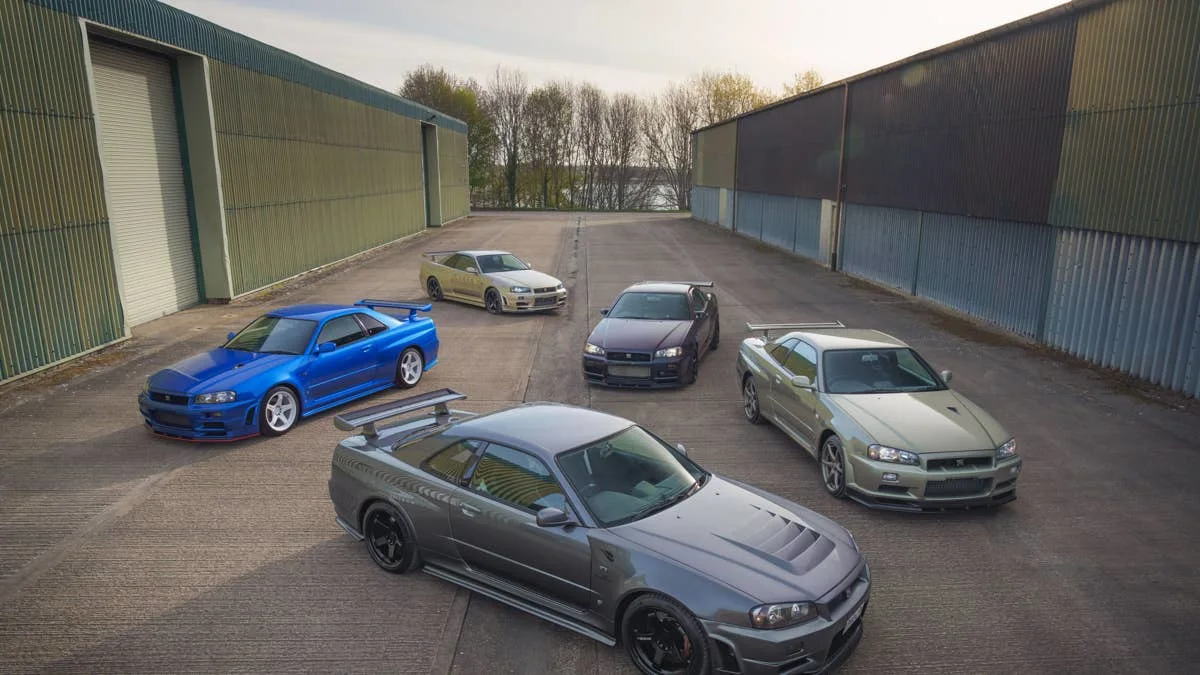
A Nissan R34 Skyline GT-R heading to auction at Lake Como could bring as much as $1 million, and the wild part is that number may not be as outrageous as it sounds. This is not just another clean R34 riding the collector-market wave. It is a 2002 Nissan R34 Skyline GT-R CRS by Nismo, one of fewer than 20 known R34s so far to have gone through Nismo’s extremely selective Clubman Race Spec restoration program.
That changes the entire conversation.
More Stories Like This
- Rivian Cuts $2 Billion From Federal Loan But Expands Georgia Plant Output—What This Means for EV Production Power
- NYC ‘Pit Crew’ Theft Ring Busted After $1.2M Parts Heist Leaves 250 Drivers Stranded
- Missile Debris Slams Into Tesla Model Y Roof in Israel — What Happened Next Is Turning Heads
The car is part of a five-car GT-R collection headed to the Concorso d’Eleganza Villa d’Este Auction, organized by Broad Arrow and powered by Hagerty. Together, the five GT-Rs carry a combined estimate of about $3 million. But this CRS car is the heavyweight of the group, with an estimate converted from euros at roughly $820,000 to $1 million.
For most people, that sounds like supercar money because it is. But with this car, the price is tied to something even harder to buy than performance: Nismo access, factory-level restoration, and years of waiting.
What Makes the CRS GT-R Different
The CRS program, short for Clubman Race Spec, was developed by Nismo for serious GT-R restorations. The program dates back to around 2013, though some accounts place its start in 2012. It applies to R32, R33 and R34 Skyline GT-Rs, and Nissan has more recently opened the program to the R35 GT-R as well.
This is not a cosmetic refresh with a few catalog parts thrown at an old Skyline. That is where things change. Nismo takes the car apart until the bare chassis remains. Panels, bolts, washers, clips and mechanical systems all come off the car before the actual rebuilding begins.
From there, the chassis is torsion tested and checked for weak points. Parts that no longer meet manufacturer specification are replaced. Compromised seals are redone. It is the kind of work that sounds excessive until you remember the goal is to create a near-new GT-R with the character of the original car still intact.
The Engine Work Is Serious Business
The CRS process also gets deep into the RB26DETT, the twin-turbo inline-six that helped make the GT-R a legend. Nismo disassembles and blueprints the engine, then performs a full overhaul using replacement parts, balancing and performance mapping.
Related Incidents
- Consumer Reports Names the Best Cars Built in the USA — And the Results Aren’t What You’d Expect
- 120 MPH Mustang Crash Sends Car Onto Active Railroad Tracks After Wild Escape Attempt
Buyers can choose different engine configurations depending on the package. The R and S variations are part of the program, with the R4 being the largest and most powerful version at 2.8 liters. That engine alone is not cheap. The Nismo R4 crate engine has allegedly been priced around $54,000, according to GT-R Registry information from 2021.
That is before the rest of the build enters the equation.
The brakes, transmission and other systems can also be restored or upgraded. Interior parts are repaired, refreshed or replaced through Nismo and Nissan heritage parts channels. Electrical components tied to the vehicle’s harnesses are tested, and anything that needs replacing gets replaced.
Finally, the completed car is inspected, tested on a dyno and driven by a professional or Nismo test driver to verify that it performs as intended. That detail matters because this is not just a display restoration. The CRS pitch is a GT-R that can deliver a near-zero-kilometer driving experience with street and track ability.
The Wait Might Be Worse Than the Price
The biggest fight here is not just money. It is access.
Nismo’s Omori Factory has approved fewer than 20 GT-Rs for CRS work, and getting into the program is not automatic. First, an owner has to find a suitable GT-R. Then the car must be good enough to pass the inspection process. Then Omori Factory has to approve the project.
Even if all that happens, the waiting game is brutal.
When the program was first offered, estimates reportedly placed the delivery timeline at about three to four years. Some accounts have been longer. Coverage of Top Rank Global’s R34 Skyline GT-R CRS said the wait stretched to five years for a car that had already been commissioned. Another estimate from Top Rank placed the next available delivery date at 2032 for a new order, which would mean about seven years of waiting.
That is the part that makes this auction car so interesting. Someone with enough money can skip the line.
Building One Yourself Gets Ugly Fast
On paper, a buyer might think it makes more sense to find an R34 and send it through the program. In reality, that plan can collapse quickly.
A clean R34 Skyline GT-R already costs serious money. A low-mileage, pristine example can run hundreds of thousands of dollars, depending on condition and specification. One of the other cars in the same auction lineup, a low-mileage and largely stock V-Spec II Nür, is estimated at more than half a million dollars.
Then comes the CRS process itself.
You Should Read This Next
Long Island ‘Trump Car’ Owner Rejects Cash Deal, Escalates Fight Over What Drivers Can Display
Estimates place the program anywhere from about $300,000 to $1 million, depending on the work and tuning selected. Shipping the car to Japan adds more cost. Parts can add more. If the car needs additional pieces before or during the restoration, that bill climbs again.
Here’s the part that matters: there is no guarantee the Omori Factory will even accept the car. A buyer could spend a fortune securing the right R34 and still fail to get into the program.
Why the Auction Price Makes Sense
That is why this $820,000 to $1 million estimate is not just collector hype. It reflects the cost, scarcity and hassle wrapped into one completed car.
Who benefits? The seller, obviously. A completed CRS R34 offers something almost no one can easily replicate. The auction house also benefits because this car gives the sale a clear headline machine.
Who loses? Anyone still hoping the R34 GT-R market will calm down. This car reinforces the reality that top-tier Japanese performance icons are now being treated like blue-chip collectibles, not used tuner cars.
And that may frustrate drivers who love these machines for what they are. The GT-R was built around performance, engineering and attitude, not just auction-room bragging rights. But the market has decided that the best examples, especially the factory-restored ones, now live in a very different financial universe.
The Real Story Behind the Million-Dollar Skyline
This CRS R34 exposes something bigger about the modern enthusiast market. The most desirable cars are no longer judged only by mileage, horsepower or rarity. Access matters. Factory involvement matters. Documentation matters. A completed restoration from the right people can turn a car into something far more valuable than the base vehicle underneath.
That is why this GT-R could make sense even near $1 million. Building one might cost a fortune, take years and still never happen. Buying this one means skipping the waiting list and getting the finished product now.
For enthusiasts, that is both exciting and painful. The R34 GT-R is still one of the great driver’s cars of its era, but this auction proves the best ones are being pulled into a world where patience, connections and deep pockets decide who gets to play.
Continue Reading: Ford Recalls Nearly 180,000 Broncos and Rangers Over Seat Safety Concern
 Shawn Henry