 By Eve Nowell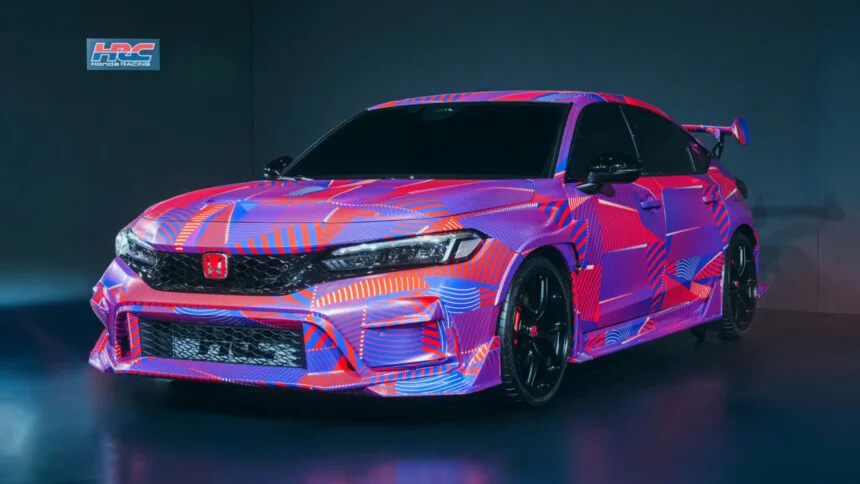
Honda may be getting dangerously close to building the Civic Type R that hardcore enthusiasts have been begging for, and this time the United States appears to be part of the plan.
More Stories Like This
- Teen Shot at Massachusetts Car Meet as Burning Stolen Car Full of Bullet Holes Sends Crowd Running
- Hellcat Murder Case Takes Dramatic Turn After Suspect Rejects Plea Deal in Deadly AirTag Tracking Confrontation
The Honda Civic Type R HRC concept first appeared earlier this year looking far more serious than a typical styling exercise. Now, comments made during the Honda All Type R World Meeting 2026 in Japan suggest the car could move into production much sooner than expected. More importantly for American buyers, Honda Racing Corporation president Koji Watanabe hinted that deployment would focus mainly on Japan and the United States.
That changes the conversation immediately.
For years, American Type R fans have watched Japan receive the most focused, motorsport-inspired versions of Honda performance cars while the US market settled for safer compromises. The current FL5 Civic Type R already has a devoted following in America, but an HRC-badged version would move the car into an entirely different category.
And Honda knows it.
Honda Appears Ready to Push the Type R Further
The standard FL5 Civic Type R is already one of the most respected performance cars on sale today. Enthusiasts praise the car for its balance, front-wheel-drive capability, steering precision, and track-ready attitude. It succeeded because Honda resisted the temptation to turn the Type R into a soft lifestyle performance car.
The HRC version looks like Honda doubling down on that philosophy instead of backing away from it.
According to the information discussed during the Honda All Type R World Meeting 2026, the HRC model would receive meaningful hardware upgrades rather than cosmetic add-ons pretending to be motorsport engineering. That distinction matters because enthusiasts are tired of fake performance packages designed primarily for marketing.
The upgrades reportedly include sharper suspension tuning, revised aerodynamics, improved steering feel, stronger brakes, and a more focused chassis setup. Those are the kinds of changes drivers actually notice from behind the wheel.
This is where the story turns.
Honda also indicated that many of these components are already being tested in Super GT and endurance racing. That suggests the company is using real motorsport development to shape the car instead of simply borrowing racing language for advertising purposes.
The US Market Is a Huge Part of This Story
Watanabe’s comments about focusing deployment mainly in Japan and the United States immediately grabbed attention because Honda enthusiasts in America have become one of the Type R’s strongest audiences.
The FL5 already commands enormous demand in the US. Dealers know it. Buyers know it. Markups and limited availability became part of the story almost immediately after launch. The Type R is no longer a niche curiosity in America. It is now one of the defining enthusiast cars in the modern market.
That’s why an HRC version could become a major moment for Honda performance fans.
For years, American buyers have watched automakers slowly soften performance cars under the pressure of broader market demands, comfort expectations, and increasingly filtered driving experiences. Cars became quicker on paper but often less emotional behind the wheel.
Honda appears to understand exactly why enthusiasts are frustrated by that trend.
An HRC-focused Type R would signal that Honda still believes there is value in building a sharper, more demanding performance car for drivers who actually care about steering feel, chassis communication, and track-focused engineering.
Not Just Another Appearance Package
Here’s the part that matters.
Nothing about the reported HRC upgrades sounds superficial. Sharper suspension tuning and stronger brakes directly affect how the car performs under serious driving conditions. Reworked aerodynamics suggest Honda is chasing measurable performance improvements instead of visual drama alone.
Improved steering feel may actually be the biggest clue about the direction Honda wants to take.
Related Incidents
- Classic Car Buyers Lose Thousands After Scammers Hijack Real Auto Shops in Multi-State Fraud Scheme
- Stellantis’ Stunning Comeback: Hemi V8 Demand Helps Reverse $26 Billion Collapse as Massive Cost Cuts Begin
- The Real Story Behind a 1966 Mustang Running Tesla Full Self-Driving and Why It’s Exposing a Major Industry Standoff
Modern performance cars increasingly rely on electronic filtering, artificial weighting, and digital intervention that often leave drivers feeling disconnected from the machine underneath them. The Civic Type R built its reputation by resisting some of that numbness. If Honda Racing Corporation is specifically targeting steering feel, it suggests the company understands what enthusiasts fear losing most in modern performance cars.
That detail matters because the Type R community pays attention to small differences.
This is not a buyer base chasing badge prestige alone. Civic Type R fans obsess over suspension geometry, steering feedback, braking consistency, and chassis balance. They want the car to feel alive, not just produce impressive numbers on a spec sheet.
Racing Development Gives the HRC Real Credibility
Honda saying these upgrades are being tested in Super GT and endurance racing adds another layer of legitimacy to the project.
Enthusiasts hear “race inspired” constantly from automakers, but most of the time the connection is thin at best. A decal package and slightly louder exhaust note suddenly become “motorsport derived” in corporate marketing language.
That does not appear to be what is happening here.
Honda Racing Corporation sits directly inside the company’s motorsport identity. If HRC engineers are shaping suspension tuning, braking systems, and chassis refinements based on actual racing development, the final product could feel dramatically different from the standard Type R.
And that’s where things get complicated for competitors.
The hot hatch market is filled with fast cars, but very few still feel deeply engineered around driver engagement first. Many modern performance vehicles prioritize broad usability over sharpness because automakers want to maximize sales volume and avoid alienating casual buyers.
The Type R has survived partly because Honda refused to completely water it down.
Why Enthusiasts Care About This More Than Ever
Performance car buyers are becoming increasingly sensitive to authenticity. They can tell when an automaker genuinely cares about building an enthusiast car and when a company is simply exploiting nostalgia or badge history.
The rumored Civic Type R HRC arrives during a period where many enthusiasts already feel performance cars are becoming too digital, too sanitized, and too detached from the raw mechanical experiences that originally made them exciting.
Honda appears ready to lean in the opposite direction.
The possibility of an HRC production model landing in the United States within months sends a clear message to enthusiasts who still want focused driver’s cars. It suggests Honda sees value in sharpening the Civic Type R even further instead of softening it for broader appeal.
And honestly, that is becoming increasingly rare.
If the final production version delivers the sharper suspension, improved steering feel, stronger brakes, and race-tested chassis focus being hinted at now, the Civic Type R HRC could become one of the most important enthusiast cars Honda has built in years. Not because it chases outrageous horsepower numbers or social media hype, but because it may prove that some automakers still understand what passionate drivers actually want from a performance car.
Continue Reading: The Real Story Behind the $70K Honda S2000 With 835 Miles and Why This Auction Is Shaking the Collector Car Market
 Shawn Henry
  John Lloyd