 By John Lloyd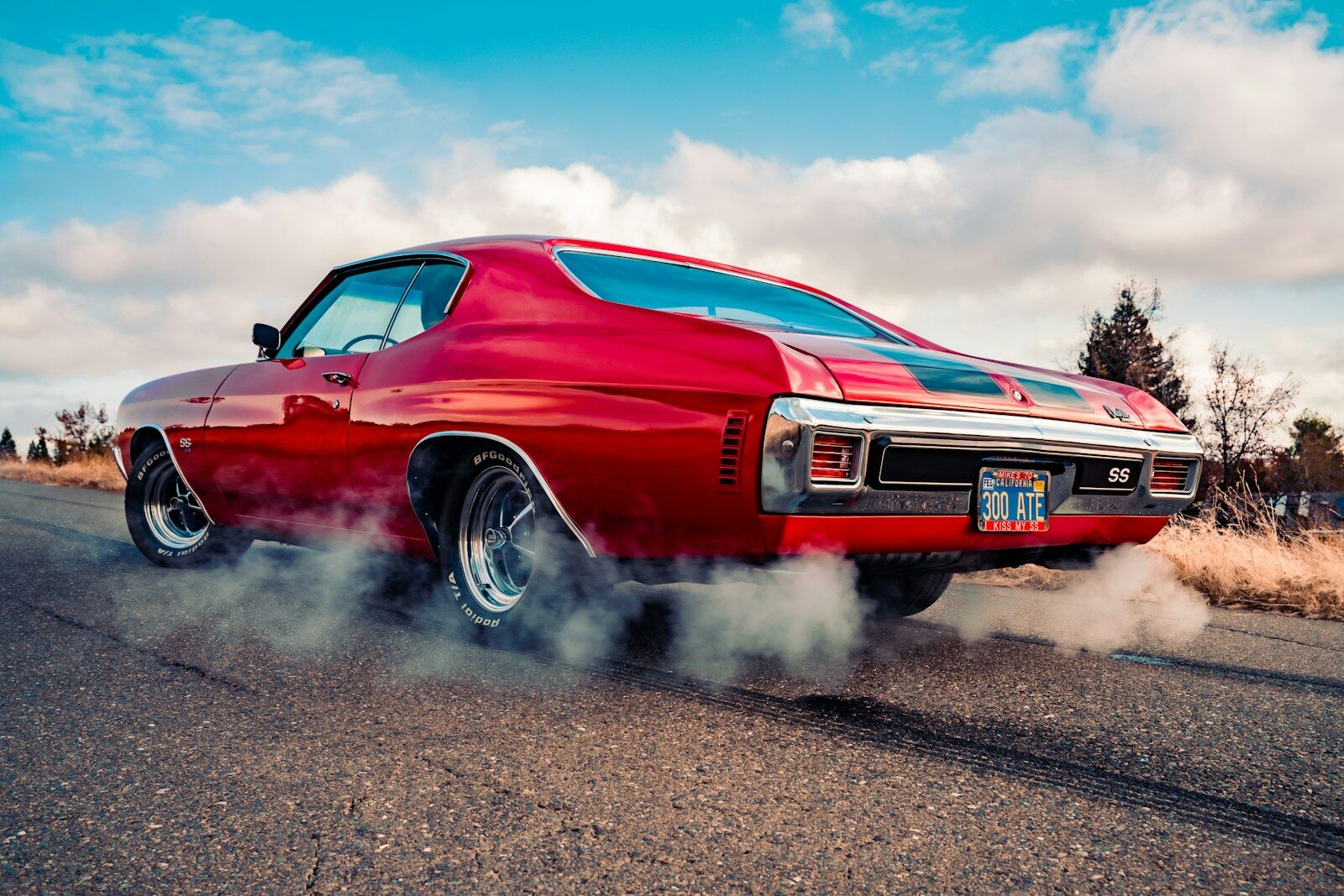
For a while, it felt like every old muscle car on earth was suddenly an “investment.” Driver-quality Camaros were doubling in value. Square-body trucks became six-figure builds. Fox Body Mustangs disappeared overnight. Even average C3 Corvettes started getting treated like retirement accounts during the frenzy of 2021 and 2022. That party is over now.
More Stories Like This
- Teen Shot at Massachusetts Car Meet as Burning Stolen Car Full of Bullet Holes Sends Crowd Running
- Hellcat Murder Case Takes Dramatic Turn After Suspect Rejects Plea Deal in Deadly AirTag Tracking Confrontation
Walk through Mecum Indy or Kissimmee in 2026 and the mood has changed dramatically. “Bid Goes On” signs are everywhere. Reserve prices are getting ignored. Sellers still think it’s 2022 while buyers have clearly moved on.
But here’s the weird part. The top of the market barely cares.
While ordinary enthusiast cars are softening hard, seven-figure supercars and blue-chip collector cars are still bringing insane money. Ferrari Enzos are exploding upward. Carrera GTs remain untouchable. A 1965 Shelby GT350 just crossed the million-dollar mark at Mecum.
So what happened?
The answer is that the collector market did not collapse evenly. It split in half.
The Richest Buyers Are Playing a Completely Different Game
At the top end of the collector world, buyers are not thinking like car guys anymore.
They are thinking like asset managers.
People bidding on Ferrari Enzos, McLaren F1s, Carrera GTs, or historically important Shelbys are usually insulated from interest rates, inflation, and economic panic. These buyers are not worried about a truck payment or whether they should refinance their house. Many are parking wealth into tangible assets the same way others buy rare watches, fine art, or property.
That changes the entire dynamic.
When five ultra-wealthy collectors decide they all want the same rare car, prices stop behaving rationally. Ferrari only built around 400 Enzos. Porsche did not flood the world with Carrera GTs. The supply is brutally limited while global demand keeps growing.
That’s why Hagerty’s Supercar Index just hit another all-time high while the rest of the hobby is starting to wobble underneath it.
An Enzo reportedly jumping more than 100 percent in value in a single quarter sounds insane until you realize billionaires are competing over cars that almost never hit the market.
That kind of buyer is not disappearing because mortgage rates climbed.
The Muscle Car Crowd Feels the Economy Immediately
The middle of the collector market is a completely different world.
Most buyers shopping for Mustangs, Chevelles, C3 Corvettes, Monte Carlos, or square-body trucks are enthusiasts first and investors second. They are financing purchases, selling one toy to buy another, and paying close attention to interest rates, insurance costs, and the overall economy.
That’s where the market started cracking.
Once borrowing money became expensive again, average buyers suddenly stopped chasing inflated auction prices. Cars that looked affordable at 3 percent interest suddenly feel ridiculous at 8 percent. At the same time, a lot of pandemic-era speculators started trying to cash out all at once.
Now the supply side looks bloated.
Auction sell-through rates tell the story clearly. Mecum Kissimmee reportedly dropped to about a 70 percent sell-through rate this year, down from previous highs. That means huge numbers of cars simply are not meeting reserve anymore.
And honestly, some sellers still seem completely detached from reality.
There Are Way More Muscle Cars Than People Want To Admit
This is another uncomfortable truth finally catching up with the hobby.
Most classic muscle cars are not actually rare.
Ford built over a million Mustangs in the mid-1960s alone. Chevrolet cranked out Camaros, Chevelles, and Corvettes in massive numbers during the peak muscle era. Sure, special combinations matter, but the broader market spent years pretending ordinary production cars were scarce collectibles.
Now that illusion is fading.
During the boom years, people bought almost anything expecting endless appreciation. Driver-quality small-block Chevelles suddenly carried investment-level asking prices. Average C3 Corvettes climbed despite huge production numbers. Square-body trucks became social media gold mines.
That demand was never going to last forever.
Now many of those same cars are hitting the market simultaneously while buyers become far more selective. More supply plus weaker demand equals falling prices. It is basic economics, but enthusiasts hate hearing it applied to cars they emotionally love.
Condition Matters More Than Ever Now
The correction also exposed something brutal about the current market.
Average cars are getting punished badly.
During the boom, buyers overlooked flaws because prices seemed to rise every month anyway. Paint issues, tired interiors, weak drivetrains, or mediocre restorations became easier to justify when everyone thought values would keep climbing forever.
That mentality is gone now.
Hagerty data reportedly shows #3 “good” condition cars losing value dramatically faster than top-tier examples. Excellent cars still hold relatively strong because serious collectors want turnkey perfection. Mediocre cars needing work are becoming toxic fast.
And restoration costs are not helping.
It is incredibly expensive to properly restore a classic today. Paint work alone can financially bury someone. Buyers know that now, which means they are avoiding unfinished or driver-grade projects unless prices fall hard enough to justify the headache.
That’s exactly why so many average Mustangs and Corvettes are sitting unsold.
Younger Buyers Want Different Cars
The demographic shift inside the hobby is becoming impossible to ignore too.
Younger enthusiasts simply do not obsess over 1960s muscle the same way Boomers and Gen X buyers did for decades. The nostalgia wave has moved forward.
Related Incidents
- Classic Car Buyers Lose Thousands After Scammers Hijack Real Auto Shops in Multi-State Fraud Scheme
- Stellantis’ Stunning Comeback: Hemi V8 Demand Helps Reverse $26 Billion Collapse as Massive Cost Cuts Begin
- The Real Story Behind a 1966 Mustang Running Tesla Full Self-Driving and Why It’s Exposing a Major Industry Standoff
Fox Bodies, C4 ZR-1s, Supras, NSXs, and 1990s performance cars feel more emotionally relevant to younger collectors than another big-block Chevelle. Hagerty’s RAD-era market still shows signs of life because people now entering peak earning years grew up with different dream cars.
That matters enormously long term.
A 25-year-old can still fall in love with a Carrera GT because it transcends generations. A 1967 Chevelle SS 396 does not always hit the same emotionally unless someone grew up deeply connected to that era.
And that’s where the muscle market starts looking vulnerable.
The Market Didn’t Die. It Split Apart
The collector car market is not “dead” the way doom-posters online claim.
But it absolutely stratified.
At the top end, blue-chip collector cars are behaving more like luxury assets than enthusiast toys. Wealthy buyers are still fighting aggressively over rare, historically important machines.
Meanwhile, the middle of the hobby is correcting hard.
Regular muscle cars are no longer guaranteed investments. Driver-quality examples are softening. Average cars with flaws are struggling. Sellers anchored to 2022 pricing are finding themselves staring at silent auction blocks and unmet reserves.
That’s the new reality.
The strongest collector cars in America are now behaving like fine art. Everything else is starting to behave like used cars with nostalgia attached to them.
Continue Reading: The Real Story Behind the $70K Honda S2000 With 835 Miles and Why This Auction Is Shaking the Collector Car Market
 Shawn Henry