 By Eve Nowell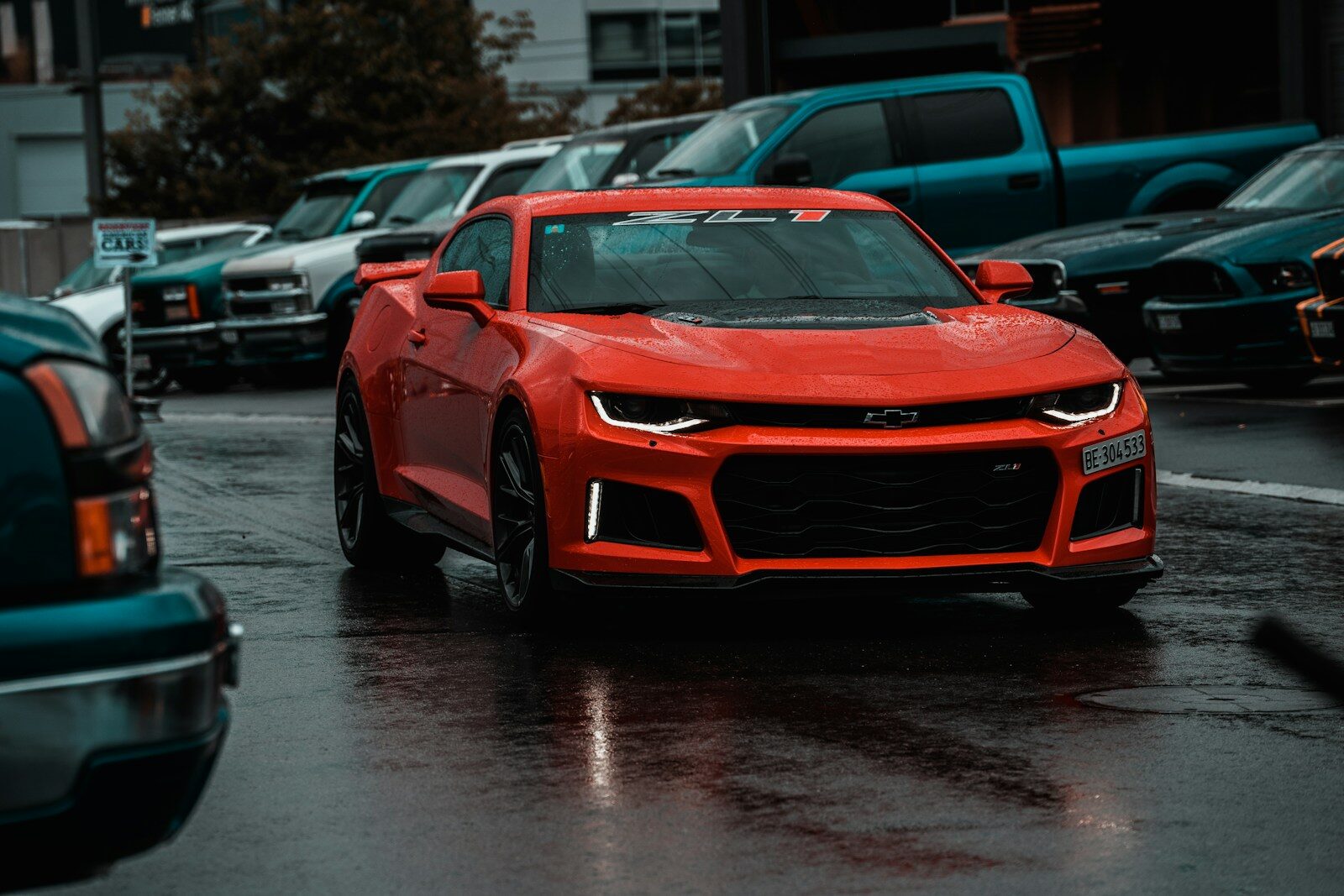
After months of uncertainty, rumors, and a lot of mixed signals, the Chevy Camaro is officially not dead. But it’s also not exactly coming back the way people expect. That’s the part that’s going to catch a lot of enthusiasts off guard. Because yes, GM has now approved a replacement for the Camaro. And no, this isn’t a joke or some rumor that fell out of a forum thread.
This decision follows the end of the sixth-generation Camaro, which wrapped up production after the 2024 model year. When that car went away, it left a pretty noticeable hole. Not just in Chevy’s lineup, but in the broader muscle car space. For a while, it looked like that gap might stay empty longer than fans were willing to accept. That’s where things change.
According to sources close to the situation, GM has officially moved forward with a next chapter. The Camaro name isn’t necessarily disappearing. It’s evolving into something new, and that’s already raising questions before we even see the final product.
The new model is expected to ride on GM’s Alpha 2 platform. If that sounds familiar, it should. That’s the same rear-wheel-drive architecture currently underpinning cars like the Cadillac CT4 and CT5. It’s a solid foundation, performance-oriented, and importantly, it keeps the rear-drive layout intact. That detail matters more than it might seem at first glance.
There’s been plenty of speculation in recent years about performance cars shifting away from traditional layouts. Front-wheel drive, all-wheel drive, or something entirely different. But sticking with a rear-drive platform suggests GM isn’t completely walking away from what made the Camaro what it is. At least not under the surface.
Production is currently slated to begin in late 2027, with the vehicle expected to arrive as a 2028 model. Assembly is planned for the Lansing Grand River plant in Michigan, the same facility that handled the outgoing Camaro. That plant is already going through changes of its own, with the Cadillac CT4 on its way out and a next-generation CT5 confirmed for the future. There’s also another piece in play.
The Lansing facility is set to build a new Buick sedan as well. That adds another layer to what’s happening behind the scenes. GM is clearly reshaping what this plant produces, and the Camaro replacement is part of that bigger shift. But here’s the part that matters most. The new Camaro replacement might not be a traditional muscle car at all.
That’s not speculation pulled out of nowhere. It’s coming directly from people familiar with the project. And it lines up with what we’ve been seeing across the industry. Performance cars aren’t disappearing, but they are changing. Sometimes in ways that don’t sit well with long-time fans. And that’s where it gets complicated.
On one hand, GM bringing back anything tied to the Camaro name is a win. The brand carries weight. It has history, identity, and a loyal following that hasn’t gone anywhere. Killing it off completely would have been a much bigger statement. On the other hand, calling something a Camaro doesn’t automatically make it one.
If the formula shifts too far, if the design, purpose, or driving experience changes too much, then you end up with something that shares a badge but not the spirit. That’s the line GM has to walk here, and it’s not an easy one.
Right now, details beyond the platform and production timeline are still limited. There’s no official confirmation on powertrains, body style, or exactly how this new model will position itself. That silence is noticeable.
Because usually, when a performance car is coming back in a familiar form, automakers lean into that. They tease it. They build excitement around heritage. The fact that this rollout is happening more quietly suggests there’s more to the story. And likely, more change. Here’s the bigger picture.
The muscle car segment has been shrinking. Regulations, shifting market demand, and broader changes in the auto industry have forced automakers to rethink what performance vehicles look like. It’s not just about horsepower anymore. It’s about packaging, efficiency, and long-term viability.
That doesn’t mean performance is going away. It means it’s being redefined.
GM approving a Camaro replacement signals that they still see value in the nameplate. But it also signals that they’re willing to reinterpret it. Maybe significantly. The Alpha 2 platform gives them flexibility, but what they choose to build on top of it will ultimately define whether this feels like a true continuation or something entirely different. And for drivers, that distinction matters.
Because the Camaro wasn’t just another car. It was a statement. Rear-wheel drive, aggressive styling, and a focus on performance that didn’t try to be everything for everyone. It knew exactly what it was. The question now is whether the replacement will have that same clarity.
For now, what we know is simple. The Camaro is getting a successor. It’s approved, it’s moving forward, and it’s scheduled to arrive within a couple of years. What we don’t know yet is what it will actually feel like. And honestly, that’s the part that’s going to decide everything.
 Shawn Henry