 By Eve Nowell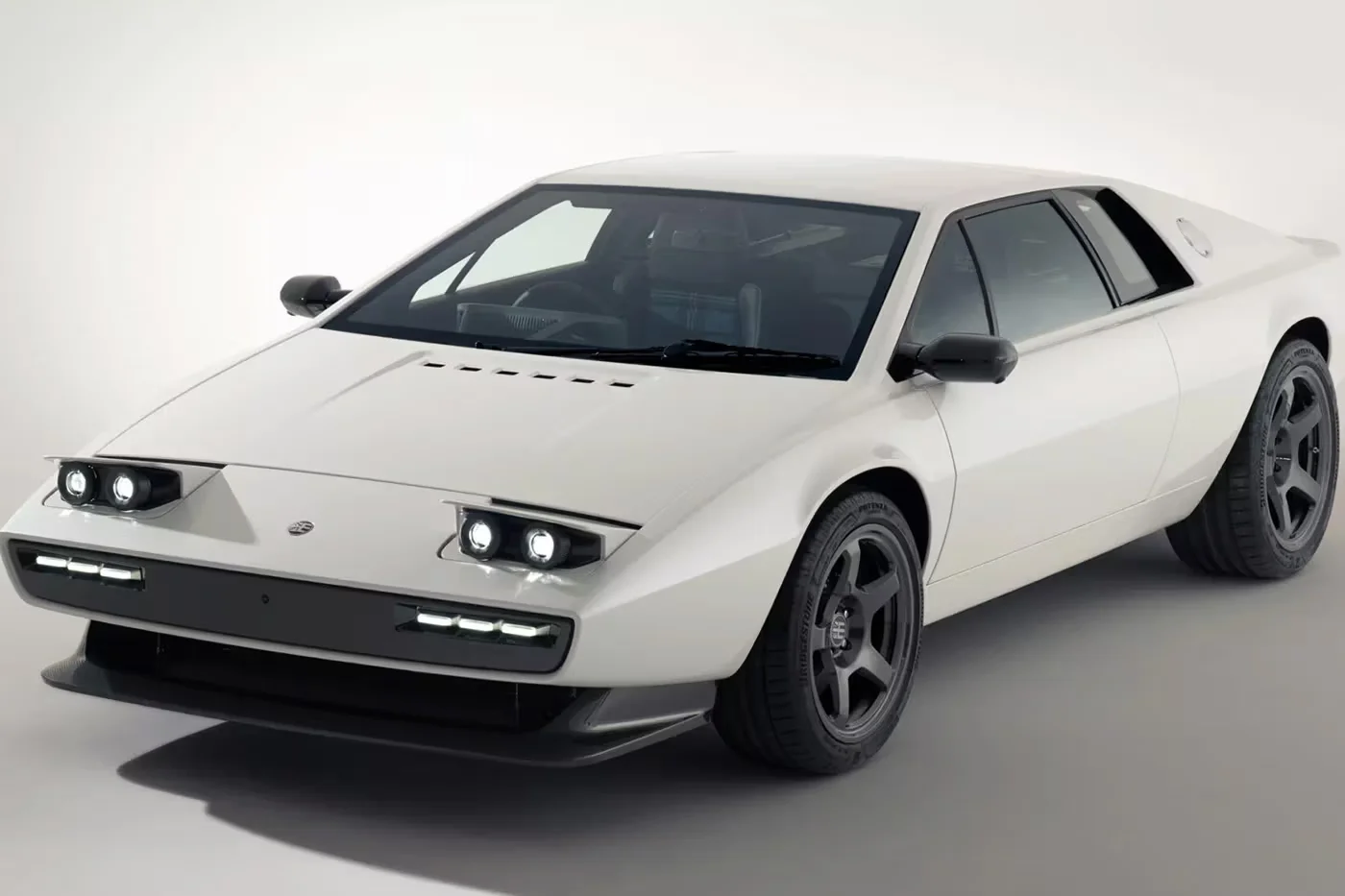
The Lotus Esprit is back. Not in the way most people expected, and definitely not in a way most people can afford. After more than two decades of silence, the wedge-shaped British icon has reappeared as a carbon-fiber restomod carrying a price tag just shy of $570,000. Only 50 will exist. That alone tells you this isn’t some nostalgic reboot for the masses. This is something else entirely, and it’s already raising eyebrows.
Here’s where things get interesting. The car isn’t coming from Lotus itself. Instead, it’s the work of a British engineering firm called Encor, which has taken the original idea of the Esprit and pushed it into a completely different lane. They call it the Series 1, but that name doesn’t really tell the full story.
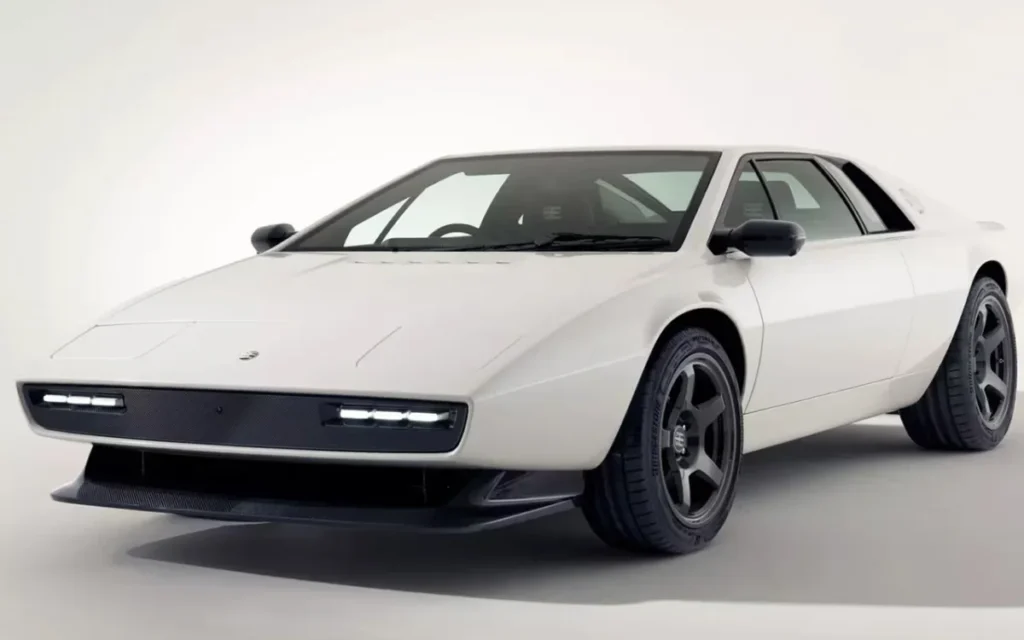
At first glance, it still looks like the Esprit people remember. Low, sharp, unmistakably dramatic. The same kind of car that once stole scenes in a James Bond film and built a reputation around its raw, unfiltered driving feel. But under the surface, this is not a 1970s throwback. Not even close.
Encor built this car using a later Series 4 Esprit V8 chassis, which already changes the foundation. Then they went further, fitting a 3.5-liter twin-turbocharged V8 that pushes out 400 horsepower. That may not sound outrageous in today’s supercar world, but paired with the lightweight carbon fiber construction, it delivers performance that feels right in line with modern expectations.
Zero to 60 mph happens in under four seconds. Top speed lands around 175 mph. That’s quick enough to matter, especially in something that still carries the DNA of a car first imagined over 50 years ago.
But speed isn’t really the headline here. The real shift comes when you look inside.
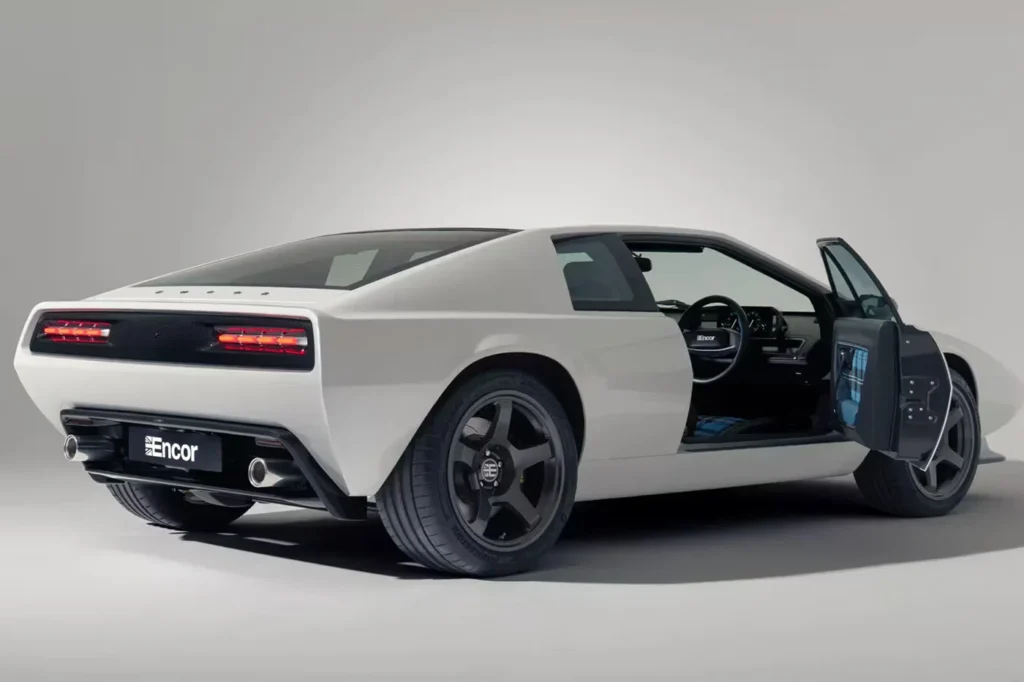
The Esprit was never known for being particularly refined. It was a driver’s car, sometimes to a fault. That’s where things change. Encor kept the signature sloped dashboard and even held onto some of the original design character, including tartan accents that nod to its past. Then they layered in modern tech that completely transforms the experience.
Apple CarPlay is there. A full digital instrument display replaces the analog gauges. There are 360-degree cameras, something that would have sounded like science fiction when the original Esprit launched. It’s a strange mix on paper, but somehow it works. Classic shape, modern function.
And that’s kind of the whole point.
This car isn’t trying to recreate the past exactly as it was. It’s trying to reinterpret it for a different kind of buyer. Someone who wants the look, the story, the heritage, but not the headaches that used to come with it.
Still, there’s a bigger question hanging over all of this. Why now?
The Esprit officially ended production in 2004 after a 28-year run. That’s a long life for any car, especially one that went through multiple evolutions. From its first concept reveal in 1972 to its pop culture moment in the late 70s, then through redesigns in the 80s and the introduction of a V8 in the 90s, the Esprit was never static. It kept changing, adapting, sometimes struggling, but always holding onto its identity.
Then it disappeared.
For years, it felt like one of those cars that would stay in the past. Appreciated, remembered, but not revived. And yet here it is again, not as a factory reboot, but as something arguably more exclusive.
That exclusivity is impossible to ignore. Only 50 units will be built. That’s it. And the starting price sits at £430,000, which converts to about $569,000 before you even start adding options. That number also doesn’t include the cost of the donor Esprit required for the build.
So realistically, the final cost climbs even higher.
This isn’t a car you’ll see at your local meet. It’s not even something most collectors will get access to. It’s aimed at a very specific slice of buyers who want something rare, something recognizable, but also something that stands apart from the usual hypercar crowd.
And that’s where it gets complicated.
On one hand, it’s hard not to respect the effort. The engineering, the design work, the decision to preserve key elements while updating everything else. It shows a level of care that a lot of modern cars don’t even attempt.
On the other hand, the price puts it in a category where expectations are brutal. At over half a million dollars, buyers aren’t just looking for nostalgia. They want perfection. They want something that feels worth the money in every possible way.
Whether this Esprit delivers that remains to be seen.
Deliveries are expected to begin in the second quarter of 2026, and each build will be done by hand. That alone suggests a level of customization and attention that goes beyond typical production cars. But it also means the timeline could shift, depending on demand and complexity.
Zoom out for a second, and this launch says something bigger about where the car world is heading. Restomods aren’t new, but they’re getting more ambitious, more expensive, and more targeted. Instead of chasing mass appeal, projects like this are going all-in on exclusivity and storytelling.
The Esprit fits that mold perfectly. It has history, it has a recognizable shape, and it carries just enough mystique to make people care.
Now it also has a price tag that forces people to take it seriously.
At the end of the day, this isn’t about bringing the Esprit back for everyone. It’s about redefining what it can be for a very small group of buyers who are willing to pay for that vision.
And whether people love it or question it, one thing is clear. The Esprit isn’t fading quietly into history anymore.
Via Encor
 Shawn Henry