 By Eve Nowell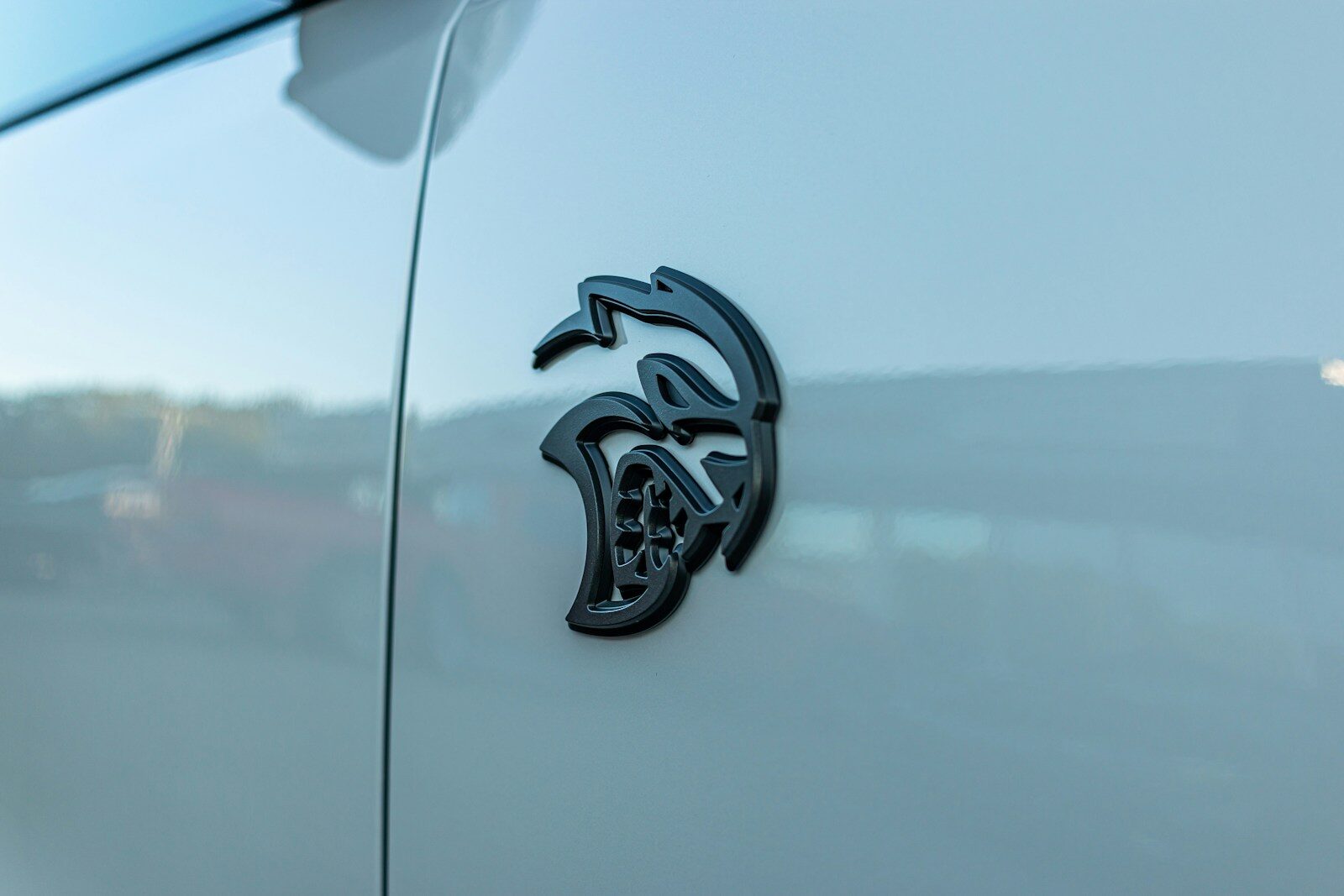
A 21-year-old Kentucky man somehow managed to turn a financial disaster into a second chance. The problem is, he almost didn’t take it.
What started as a flashy decision to buy a Dodge Hellcat at 18 spiraled into $70,000 in debt. That alone isn’t unusual these days. Young buyers stretching too far for a high-performance car happens more than people want to admit. But this story doesn’t stop there. It takes a turn that feels almost unreal, and then somehow gets even more complicated.
Because just when things looked like they couldn’t get worse, they flipped the other direction.
Andrew, the 21-year-old at the center of it, called into a financial advice show not to ask how to fix his situation, but to figure out how to avoid dealing with it entirely. That’s where things start to raise questions.
Here’s the part that matters. He wasn’t broke anymore.
After being accidentally shot by a 14-year-old using a 3D-printed firearm, Andrew received a $250,000 settlement paid out through a homeowner’s insurance policy. That kind of money could wipe out the debt and leave him with a clean slate. No guessing. No juggling payments. Just done.
But instead of seeing it that way, he had a different idea.
He wanted to wait.
Andrew’s plan was to let the debt age out on its own, essentially ignoring it until it fell off his credit report. Not pay it. Not settle it. Just let time do the work. That’s a risky move even in small amounts. With $70,000 on the line, it’s something else entirely.
And that’s where things change.
The financial expert he called didn’t entertain the idea for even a second. The response was immediate and blunt. The debt wasn’t optional. It wasn’t something to sidestep. It was money owed, plain and simple.
But the story behind that debt matters, because it wasn’t just about buying a car.
Andrew had taken out a loan to purchase the Dodge Hellcat, one of the most powerful and expensive muscle cars on the market. Then he sold it. Not unusual by itself. People sell cars all the time. But he didn’t pay off the loan when he did it, and the title wasn’t properly transferred.
That decision set everything in motion.
Now you’ve got a situation where the car is gone, the debt is still there, and the paperwork isn’t clean. That’s not just messy. It’s the kind of thing that follows you around financially.
And instead of tackling it head-on, Andrew started looking for a way around it.
He asked if he could negotiate the debt down, which is at least a step in the right direction. Settling for less than the full amount can happen. Lenders do it all the time. But there’s a difference between trying to resolve something and trying to escape it.
That’s where the tone shifted.
The advice he received was straightforward. If you’re going to settle, you do it honestly. You call the lender, ask what they’ll accept, and pay it. No games. No waiting it out while hoping it disappears.
Because it doesn’t really disappear.
And that’s where it gets complicated.
Credit reports might drop old debt after a certain period, but that doesn’t erase what happened. It doesn’t rebuild trust. It doesn’t fix the underlying behavior that led to the situation in the first place. And when you’re dealing with large sums of money, those patterns matter more than the numbers.
The conversation quickly moved beyond the Hellcat and the settlement.
It became about responsibility.
At 21 years old, Andrew already has two kids. That changes the stakes completely. This isn’t just about a bad car purchase or a lucky payout. It’s about what kind of decisions he makes going forward, and how those decisions affect more than just him.
Because a $250,000 settlement can go fast if it’s handled the wrong way.
It can clear debt, create stability, and open the door to better opportunities. Or it can reinforce the same habits that led to the $70,000 problem in the first place. That’s the crossroads he’s standing at.
And it’s not just his story.
Situations like this are becoming more common than people think. Younger buyers getting into high-dollar performance cars without a full understanding of the financial weight behind them. Loans that stretch beyond comfort. Decisions made quickly, without thinking through the long-term consequences.
The Dodge Hellcat isn’t the problem here. It’s just the vehicle that made the situation visible.
The real issue is what happens after the excitement fades and the bills start showing up.
Add a sudden financial windfall into that mix, and things get even more unpredictable. Money like that doesn’t automatically fix anything. It just gives you options. What you do with those options is where the real story is.
In Andrew’s case, the opportunity is obvious.
He can wipe out the debt tied to the Hellcat, clean up the title issues, and move forward without that weight hanging over him. It’s a rare reset button. Most people don’t get one, especially not that early in life.
But it only works if he actually uses it.
Because here’s the hard truth. You can’t outrun bad decisions forever, even with $250,000 in your pocket. Eventually, it catches up, one way or another.
And in this case, the difference between getting ahead and falling right back into the same hole comes down to one decision.
Pay the debt and move on, or try to dodge it and hope it disappears.
Only one of those paths actually leads anywhere.
Source
 Shawn Henry