 By Shawn Henry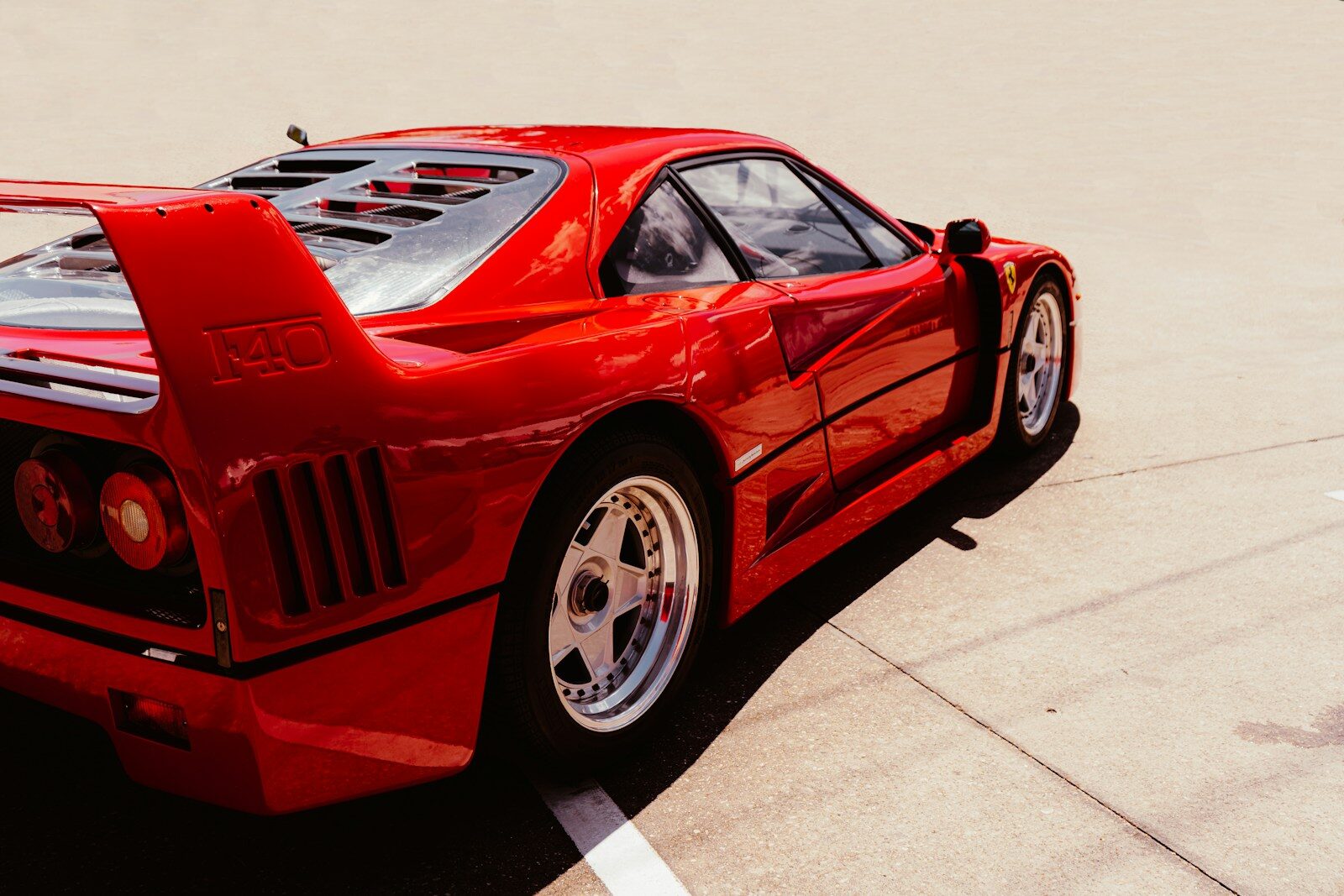
The numbers alone were enough to light up national headlines fast. According to Agriculture Secretary Brooke Rollins, 14,000 SNAP recipients in one Republican-led state were found to own luxury vehicles, including Bentleys, Ferraris, Lamborghinis, Maseratis, and thousands of Teslas. Once the data became public, the political fight around welfare fraud, loopholes, privacy, and government oversight immediately escalated.
More Stories Like This
- Teen Shot at Massachusetts Car Meet as Burning Stolen Car Full of Bullet Holes Sends Crowd Running
- Hellcat Murder Case Takes Dramatic Turn After Suspect Rejects Plea Deal in Deadly AirTag Tracking Confrontation
For a lot of Americans already struggling with rising costs, the optics are brutal.
Three Bentleys. Three Ferraris. Eleven Lamborghinis. Fifty-nine Maseratis. More than 140 Porsches. More than 2,000 Teslas. Those are not the kinds of vehicles most people associate with food assistance programs funded by taxpayers. That disconnect is exactly why the story exploded beyond politics and into mainstream national conversation.
But here’s where things get complicated.
The vehicle ownership data does not automatically prove fraud. Critics of the announcement argue many of these cases could still be technically legal under existing SNAP eligibility rules, particularly in states that do not count one vehicle as a household asset. That means some recipients may have qualified for benefits despite owning expensive cars because of how the rules are written, not because they illegally manipulated the system.
That distinction matters. And it completely changes the fight now unfolding around the program.
The Data That Triggered the National Reaction
Rollins announced the findings on April 28, 2026, using data sourced from the Foundation for Government Accountability, a conservative think tank. She did not identify the Republican-led state involved, which only intensified speculation online as people tried to guess where the registrations came from.
Related Incidents
- Classic Car Buyers Lose Thousands After Scammers Hijack Real Auto Shops in Multi-State Fraud Scheme
- Stellantis’ Stunning Comeback: Hemi V8 Demand Helps Reverse $26 Billion Collapse as Massive Cost Cuts Begin
- The Real Story Behind a 1966 Mustang Running Tesla Full Self-Driving and Why It’s Exposing a Major Industry Standoff
The luxury and performance vehicle breakdown quickly became the centerpiece of the controversy.
Beyond the exotic brands, the report also included 244 Alfa Romeos, 306 Land Rovers, 1,914 BMWs, and 3,636 Lexus vehicles. Lexus ended up being the single most common luxury brand tied to recipients in the dataset, followed by Tesla and BMW.
That detail matters because it changes the public image of the story. The Ferraris and Lamborghinis grabbed attention immediately, but they represented only a tiny fraction of the 14,000 total cases. Just 17 of those vehicles came from the Bentley, Ferrari, and Lamborghini categories combined. That works out to roughly 0.1 percent of the reported total.
Still, those exotic brands became the headline because they hit a nerve fast.
Why Car Enthusiasts Are Paying Attention
This story landed differently in automotive circles because cars are sitting right in the middle of a much larger political and economic argument.
For enthusiasts, exotic and luxury cars are symbols of aspiration, success, and personal freedom. Seeing brands like Ferrari and Lamborghini suddenly tied to a federal benefits controversy drags the automotive world into a political fight most enthusiasts never asked to join.
And that’s where the tension starts building.
A lot of drivers are looking at the story from two completely different angles. Some see it as obvious proof that the system is being abused. Others see it as another example of headlines being built around a tiny number of attention-grabbing exotics while the actual legal structure behind the program gets ignored.
The Tesla numbers added another layer to the debate.
More than 2,000 Teslas appeared in the dataset, making the EV brand one of the most common luxury manufacturers listed. That fueled another wave of arguments online because many Tesla models are increasingly common in middle-class ownership, especially in states with incentives and financing programs that lowered entry costs in previous years.
This is where the story turns.
The outrage was built around supercars and ultra-luxury brands, but most of the dataset centered around more mainstream premium vehicles. Lexus, BMW, Tesla, and Land Rover ownership paints a very different picture than a garage full of exotic collectibles.
The Bigger Political Fight Behind the Cars
Rollins described the findings as evidence of fraud and accused recipients of gaming the system. At the same time, critics pushed back hard against both the framing and the reliability of the data itself.
Some opponents argue the dataset has not been independently audited. Others point to state-level SNAP eligibility rules that legally exempt one vehicle from household asset calculations. Under those rules, ownership alone may not violate program requirements.
That creates a major political problem because the public reaction is being shaped by luxury brand names while the actual eligibility laws appear far more complicated.
The timing also matters.
You Should Read This Next
- California Just Wrote 11,000 Speeding Tickets in One Day, and 200 Drivers Could Lose Their Licenses Immediately
- Edmunds Lost Nearly $50,000 on a Dodge Charger EV in Under a Year and That’s a Brutal Warning Sign
Rollins said 4.3 million Americans have already been removed from SNAP under President Trump, partly due to stricter work requirements included in the One Big Beautiful Bill Act. That means this luxury vehicle controversy is arriving during a broader crackdown on federal assistance programs.
More than a dozen Democratic states have already sued the USDA over data-sharing requirements tied to the administration’s policies. Those states argue the data collection rules create privacy concerns and open the door to misuse of personal information.
So now the fight has expanded well beyond exotic cars.
What started as a headline about Ferraris and Lamborghinis has turned into a battle over government oversight, welfare enforcement, privacy rights, and political messaging. The vehicles became the visual centerpiece because they trigger immediate emotional reactions, especially during a time when inflation and cost-of-living pressures are still hitting working Americans hard.
Why the Numbers Hit So Hard
There’s a reason this story exploded online almost instantly.
Cars are emotional. They always have been. People associate brands like Bentley, Ferrari, and Lamborghini with extreme wealth, exclusivity, and status. Seeing those names connected to public assistance programs creates immediate outrage whether the underlying cases are legal or not.
That emotional reaction is exactly why the story gained traction so quickly across news outlets and social media.
At the same time, the numbers reveal something else. The overwhelming majority of the listed vehicles were not rare exotics. They were premium brands that exist in a gray area between luxury and everyday transportation depending on age, financing, depreciation, and ownership history.
That detail keeps getting lost once the Lamborghini headlines take over.
What This Means Moving Forward
The fight over these 14,000 cases is not ending anytime soon because both sides now see the issue as politically valuable.
Supporters of stricter enforcement view the data as proof the system contains major loopholes that need to be closed. Critics see the rollout as a politically charged effort built around inflammatory vehicle brands and incomplete context.
For drivers and enthusiasts, the story also shows how quickly the automotive world can become part of larger political battles. A Ferrari or Lamborghini is no longer just a car in this conversation. It becomes a symbol used to argue over taxes, government spending, fairness, and accountability.
And once those symbols enter national politics, the actual facts often become much harder for people to separate from the outrage.
Continue Reading: The Real Story Behind the $70K Honda S2000 With 835 Miles and Why This Auction Is Shaking the Collector Car Market
 Elizabeth Puckett
  John Lloyd