 By Shawn Henry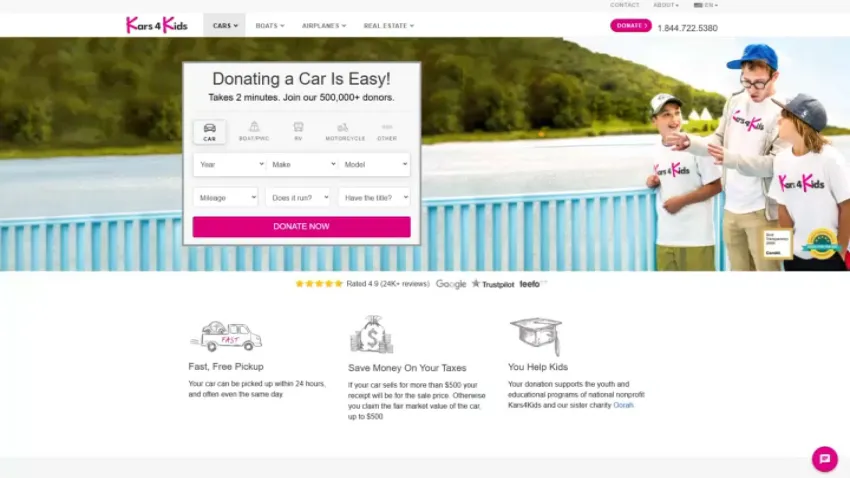
One of the most recognizable car donation campaigns in America just suffered a massive legal blow in California.
More Stories Like This
- Teen Shot at Massachusetts Car Meet as Burning Stolen Car Full of Bullet Holes Sends Crowd Running
- Hellcat Murder Case Takes Dramatic Turn After Suspect Rejects Plea Deal in Deadly AirTag Tracking Confrontation
A judge has permanently barred Kars4Kids from running its well-known advertisements in the state after ruling the organization violated California false advertising laws. The decision follows allegations that donors were led to believe their vehicle donations supported underprivileged children locally, while most of the money actually flowed elsewhere.
And for millions of people who have heard those ads for years, the ruling changes the entire conversation around the charity overnight.
The Court Didn’t Just Criticize the Ads — It Banned Them
According to the ruling issued May 8, 2026, an Orange County Superior Court judge found that Kars4Kids violated both California’s False Advertising Law and Unfair Competition Law.
That’s a serious finding.
The court determined the organization’s advertising created a misleading impression about who actually benefited from donated vehicles. Specifically, the issue centered around donors believing their cars were helping disadvantaged children in California when testimony reportedly showed very little of the money stayed in the state.
That detail became central to the case.
Where the Money Actually Went
Court testimony reportedly revealed that California accounted for roughly 25 percent of Kars4Kids’ national vehicle donations. Despite that, officials argued that almost no functional programs benefiting California children received meaningful support from the organization.
Instead, much of the funding reportedly went to Oorah Inc., a New Jersey-based Orthodox Jewish outreach organization.
According to the case, that funding supported programs including religious outreach efforts, gap-year trips to Israel, and matchmaking-related initiatives. The court ultimately concluded that donors were not being clearly informed where their contributions were actually ending up.
That’s where the story exploded.
The Ads Can Only Return Under Strict Conditions
The ruling does not permanently prohibit Kars4Kids from advertising forever, but it places strict conditions on any future campaigns inside California.
According to the court’s order, the organization can only resume running ads if they clearly disclose key information directly within the advertising itself. That includes audible disclosures about the charity’s religious affiliation, the geographic location of beneficiaries, and the actual age range of the people receiving support.
That changes the tone of the advertising dramatically.
The original campaigns became famous largely because of their simplicity and relentless repetition. The court’s decision now forces far more transparency into messaging that critics argued had intentionally stayed vague for years.
This Wasn’t the Organization’s First Legal Problem
The California ruling did not appear out of nowhere.
Kars4Kids has faced scrutiny in multiple states over the years regarding how donated funds were distributed and how the charity represented itself publicly. Previous investigations reportedly questioned how much money remained inside the states where vehicles were donated versus how much went toward advertising, administrative costs, and out-of-state programs.
That history mattered during this case.
Critics have long argued the organization benefited from emotionally driven advertising that encouraged donors to assume local children and communities were receiving direct support. The California ruling appears to validate many of those concerns directly.
Why This Hits Drivers and Donors Differently
Vehicle donation programs occupy a strange place in automotive culture because they often intersect emotion, convenience, and trust all at once.
For many people, donating an old car feels personal.
Some donors genuinely believe they are helping struggling families or disadvantaged children nearby while also finding a meaningful way to dispose of a vehicle they no longer need. That emotional connection is exactly why transparency becomes so important in cases like this.
Because once people feel misled about where their vehicles or money actually went, trust disappears fast.
Kars4Kids Says the Ruling Is Wrong
The organization has pushed back strongly against the court’s findings.
According to statements tied to the case, Kars4Kids believes the ruling is “deeply flawed” and intends to appeal the decision. The charity argues the court ignored important facts surrounding how the organization operates and communicates its mission publicly.
That means the legal fight is likely far from over.
Still, the California ruling already represents one of the most damaging public setbacks the organization has faced because it directly attacks the credibility of the advertising itself rather than simply questioning financial practices behind the scenes.
The Advertising Became Part of American Culture
Part of why this story is spreading so aggressively online is because the Kars4Kids commercials became impossible to avoid for years. Whether people loved them or hated them, the ads embedded themselves into American radio and television culture through sheer repetition alone.
Most people recognized the jingle instantly.
Related Incidents
- Classic Car Buyers Lose Thousands After Scammers Hijack Real Auto Shops in Multi-State Fraud Scheme
- Stellantis’ Stunning Comeback: Hemi V8 Demand Helps Reverse $26 Billion Collapse as Massive Cost Cuts Begin
- The Real Story Behind a 1966 Mustang Running Tesla Full Self-Driving and Why It’s Exposing a Major Industry Standoff
That familiarity created a level of trust and recognition many charities spend decades trying to build. Now, the California ruling is forcing people to reevaluate what they thought they understood about the organization behind those ads.
That shift is uncomfortable for many longtime donors.
The Bigger Issue Goes Beyond One Charity
This case also shines a much larger spotlight on how charities market themselves emotionally to donors.
Vehicle donation campaigns often rely on broad messaging about helping children, communities, or families without always explaining exactly where funds go, how programs operate, or what percentage stays local. California’s ruling suggests courts may now be willing to examine those assumptions more aggressively.
And that could create ripple effects beyond Kars4Kids itself.
Because once regulators and courts begin scrutinizing how charities frame emotional appeals, other organizations using similar advertising strategies may suddenly find themselves facing uncomfortable questions too.
The Bottom Line
For years, millions of Americans heard the Kars4Kids ads and assumed they understood where donated vehicles were going and who was benefiting from them.
A California judge just said that understanding was misleading.
Now one of the country’s most recognizable car donation campaigns is banned from advertising in the nation’s largest state unless it fundamentally changes how it explains itself to the public.
Continue Reading: The Real Story Behind the $70K Honda S2000 With 835 Miles and Why This Auction Is Shaking the Collector Car Market
 John Lloyd