
Best Digital Multimeters for Car Diagnostics
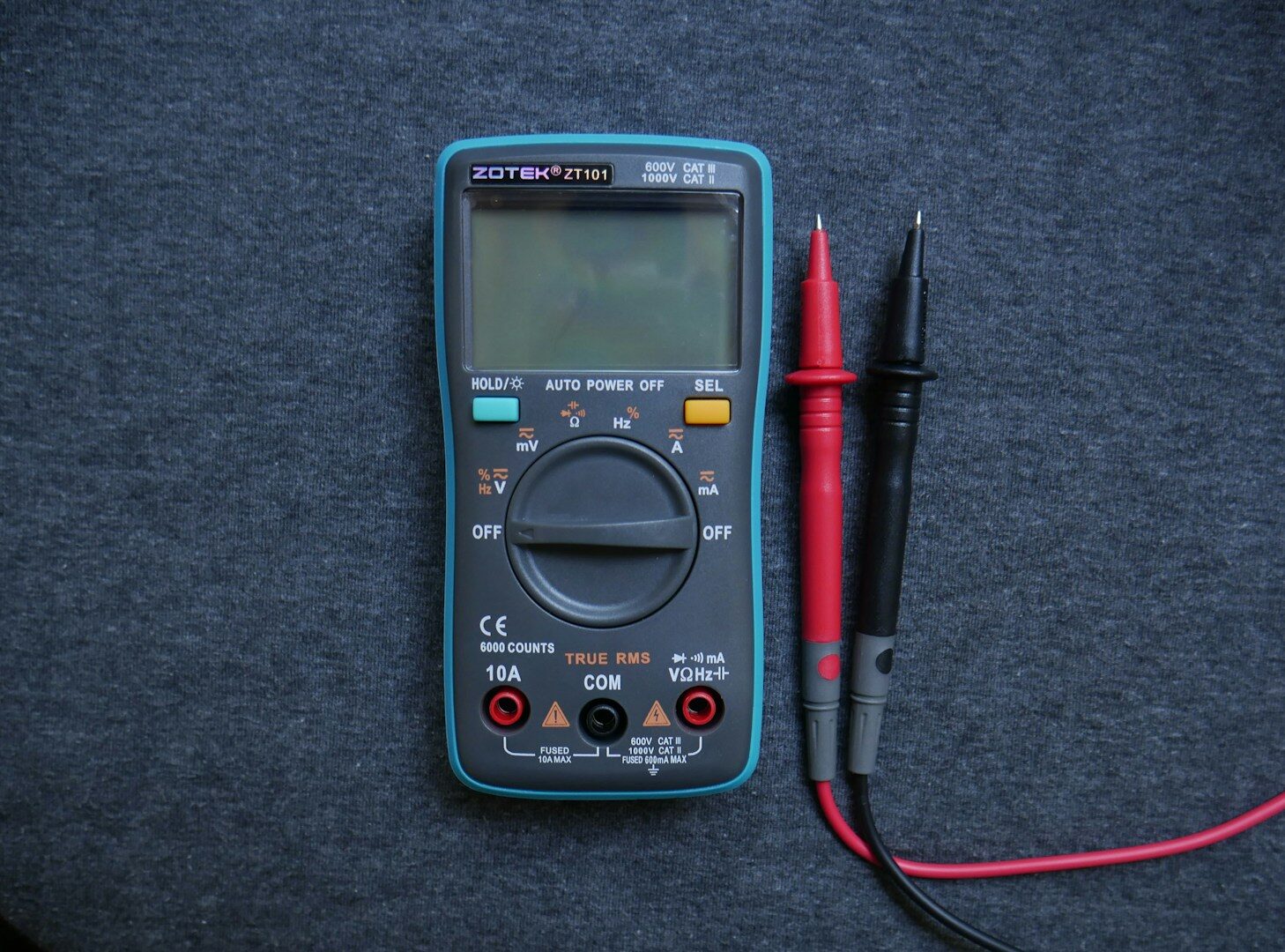
A multimeter is the tool that turns “I think it’s electrical” into an actual answer. Modern cars are rolling computers, and a huge share of frustrating problems — a battery that won’t hold a charge, a parasitic drain killing the battery overnight, a dead sensor, a corroded ground — come down to electricity you can’t see. A digital multimeter lets you measure voltage, resistance, and continuity so you can find the fault instead of throwing parts at it.
The good news is you don’t need a $200 meter to do useful car diagnostics. An inexpensive auto-ranging meter will check your battery and alternator, find blown fuses, and test circuits just fine. As you get deeper — probing sensors, chasing voltage drops, measuring small AC signals — features like true-RMS accuracy and higher resolution start to matter.
Below we’ve gathered popular, well-reviewed multimeters from budget units up to trusted professional brands like Klein and Fluke, including a couple of automotive-specific INNOVA meters. We’ve arranged them roughly by capability and price. These aren’t meters we’ve personally tested; picks reflect reputation and customer feedback.
The Best Digital Multimeters for Car Diagnostics
AstroAI 2000-Count Digital Multimeter
Approx. price at time of writing: $13.29 · Rating: 4.5★ on Amazon
This is the classic cheap-and-cheerful multimeter that’s introduced a lot of people to basic electrical work. It measures DC/AC voltage, current, resistance, and continuity, with a backlit display and a kickstand. For simple car jobs like checking a battery or finding a blown fuse, it’s plenty.
Why We Like It: It’s one of the most popular entry meters around — inexpensive and good enough for basic 12V diagnostics.
Best For: Beginners who want a cheap meter for simple battery and circuit checks.
Pros:
- Very affordable
- Covers the basics
- Backlit screen and stand
Cons:
- Manual ranging
- Not true-RMS
- Limited for advanced diagnostics
INNOVA 3320 Auto-Ranging Digital Multimeter
Approx. price at time of writing: $28.99 · Rating: 4.5★ on Amazon
INNOVA’s 3320 is a long-time favorite aimed at car owners, with auto-ranging operation and color-coded LEDs that indicate battery state of charge and charging-system health at a glance. That automotive focus makes it especially friendly for diagnosing a weak battery or alternator.
Why We Like It: It’s purpose-built for automotive use and auto-ranges, which removes a common beginner headache.
Best For: Car owners who want an automotive-focused meter with battery indicators.
Pros:
- Auto-ranging
- Battery/alternator LED indicators
- Aimed at car diagnostics
Cons:
- Not true-RMS
- Plasticky feel
- Basic for advanced electronics
AstroAI True RMS 6000-Count Multimeter
Approx. price at time of writing: $26.95 · Rating: 4.6★ on Amazon
This AstroAI steps up to true-RMS measurement and 6000 counts for finer resolution, plus auto-ranging, temperature, and frequency. The added accuracy on AC signals matters if you ever probe sensors or pulse-width signals on a modern car.
Why We Like It: True-RMS and auto-ranging at a budget price make it a strong all-rounder for car work.
Best For: DIYers who want true-RMS accuracy without spending much.
Pros:
- True-RMS accuracy
- Auto-ranging
- Temperature and frequency
Cons:
- Still a budget build
- Leads are basic
- Not CAT-rated for heavy industrial use
KAIWEETS 4000-Count Digital Multimeter
Approx. price at time of writing: $32.99 · Rating: 4.5★ on Amazon
KAIWEETS has built a strong reputation for well-made budget meters, and this 4000-count model adds a clear backlit display, auto-ranging, and a sturdy protective holster. It’s an easy-to-live-with meter for general car and home electrical jobs.
Why We Like It: It’s a well-reviewed unit with a solid feel and beginner-friendly auto-ranging.
Best For: DIYers who want a dependable, easy meter for mixed car and home use.
Pros:
- Auto-ranging and easy to use
- Good build and holster
- Well-reviewed
Cons:
- Lower count than 6000 units
- Not true-RMS on all functions
- Basic leads
KAIWEETS True RMS 6000-Count Multimeter
Approx. price at time of writing: $37.99 · Rating: 4.6★ on Amazon
This higher-end KAIWEETS offers true-RMS, 6000 counts, auto-ranging, and a rugged design with a bright display. It’s a capable meter that handles most automotive electrical diagnostics with accuracy you can trust.
Why We Like It: It blends true-RMS accuracy, a sturdy build, and a strong rating at a fair price.
Best For: Serious DIYers who want accuracy and durability in one meter.
Pros:
- True-RMS, 6000 counts
- Rugged, bright display
- Highly rated
Cons:
- Pricier than basic meters
- More features than beginners need
- Bulkier
Klein Tools MM325 Digital Multimeter
Approx. price at time of writing: $34.97 · Rating: 4.7★ on Amazon
Klein is a trusted name among electricians, and the MM325 brings that pedigree to a manual-ranging 600V meter built to take abuse. It measures voltage, current, resistance, continuity, and temperature, with the rugged reliability Klein is known for.
Why We Like It: It comes from a respected tool brand and is built to survive real shop conditions.
Best For: DIYers who value a tough, trusted-brand meter.
Pros:
- Trusted Klein build quality
- Rugged and reliable
- Temperature measurement
Cons:
- Manual ranging
- Plainer feature set
- Not auto-ranging
INNOVA 3340 Professional Automotive Multimeter
Approx. price at time of writing: $69.99 · Rating: 4.4★ on Amazon
The 3340 is INNOVA’s pro-level automotive meter, adding features like RPM and dwell measurement, temperature, and a hands-free stand designed specifically for under-hood diagnostics. It’s tailored to engine and electrical troubleshooting on cars.
Why We Like It: Its automotive-specific functions (RPM, dwell, temp) go beyond what a general meter offers.
Best For: Hands-on car troubleshooters who want engine-specific measurements.
Pros:
- Automotive-specific functions
- Hands-free stand
- Auto-ranging
Cons:
- Pricier
- Some functions niche for modern cars
- Lower rating than top picks
Fluke 106 Palm-Sized Digital Multimeter
Approx. price at time of writing: $99.99 · Rating: 4.7★ on Amazon
Fluke is the gold standard in multimeters, and the 106 is its compact, palm-sized model that brings genuine Fluke accuracy and reliability in a pocketable form. It covers voltage, continuity, resistance, and capacitance with the build quality professionals expect.
Why We Like It: It offers entry into Fluke’s trusted accuracy and durability in an affordable, compact package.
Best For: DIYers who want a trustworthy Fluke without paying full pro-meter prices.
Pros:
- Trusted Fluke accuracy
- Compact and durable
- Professional reliability
Cons:
- Pricier than budget meters
- Fewer features than larger Flukes
- Small display
Fluke 117 Electrician’s Digital Multimeter
Approx. price at time of writing: $214.99 · Rating: 4.8★ on Amazon
The Fluke 117 is a professional-grade true-RMS meter with non-contact voltage detection, auto-ranging, and the rock-solid accuracy and safety ratings Fluke is famous for. It’s overkill for casual car work but a buy-it-for-life tool for serious users.
Why We Like It: It’s the highly rated professional benchmark, built to last decades with dependable accuracy.
Best For: Pros and serious enthusiasts who want a buy-once meter.
Pros:
- Professional accuracy and safety
- True-RMS, auto-ranging
- Non-contact voltage detection
Cons:
- Expensive
- Far more than casual users need
- Premium positioning
Buying Guide: Choosing a Multimeter for Car Diagnostics
Auto-ranging vs. manual. Auto-ranging meters pick the correct measurement range for you, which is much friendlier for beginners. Manual-ranging meters (like the Klein MM325) require you to select the range, which some experienced users actually prefer for speed.
True-RMS matters for AC. If you’ll measure AC signals — sensor outputs, certain charging diagnostics — a true-RMS meter gives more accurate readings than an averaging meter. For simple DC battery checks, it’s less critical.
Automotive-specific features. Some meters (INNOVA’s automotive line) add RPM, dwell, and battery-state indicators tailored to cars. These can be handy, though many functions overlap with what a scan tool now does on modern vehicles.
Common mistakes: buying a meter with no auto-ranging as a first meter, ignoring the leads (cheap leads are a weak point), and probing high-current circuits beyond the meter’s rating. Always connect in parallel for voltage and never in series across a load by accident.
Value vs. premium: The AstroAI and INNOVA 3320 are excellent inexpensive starting points. KAIWEETS and the AstroAI true-RMS add accuracy affordably. Klein and Fluke are the trusted, buy-it-for-life options for people who want the best build and accuracy.
Frequently Asked Questions
What can I diagnose with a multimeter on my car?
Plenty — battery voltage and state of charge, alternator output, blown fuses, parasitic battery drains, ground and continuity issues, and many sensor and circuit faults. It’s one of the most versatile diagnostic tools you can own.
Do I need a true-RMS meter?
For basic DC battery and circuit checks, no. True-RMS becomes valuable when measuring AC signals accurately, such as certain sensor outputs. Many DIYers are happy with a non-true-RMS meter for everyday car work.
Auto-ranging or manual — which is better for beginners?
Auto-ranging is far easier for newcomers because the meter selects the correct range automatically. Manual ranging gives more control and can be faster once you’re experienced, but it has a steeper learning curve.
How do I check for a parasitic battery drain?
Broadly, you measure current draw with the car off using the meter’s amp function in series, then pull fuses one at a time to find the circuit responsible. Always follow a proper procedure and respect the meter’s current rating.
Is an expensive Fluke worth it for a home mechanic?
Not necessarily. A Fluke is superb but overkill for occasional car checks. Many DIYers do everything they need with a $20–$40 meter. A Fluke makes sense if you want professional accuracy and a tool that lasts decades.
Can a multimeter replace a scan tool?
No — they complement each other. A scan tool reads codes and computer data, while a multimeter measures the actual electrical values in a circuit. Serious diagnostics often use both together.
What’s the difference between counts and resolution?
Counts indicate how finely the meter can display a reading — a 6000-count meter shows more resolution than a 2000-count one. Higher counts help when you need precise low-voltage readings, common in modern car electronics.
A multimeter pairs naturally with our other diagnostic guides — see our roundup of automotive gadgets worth checking out, our Garage Deals hub, and our automotive technology coverage.