
Best OBD-II Scanners for DIY Mechanics
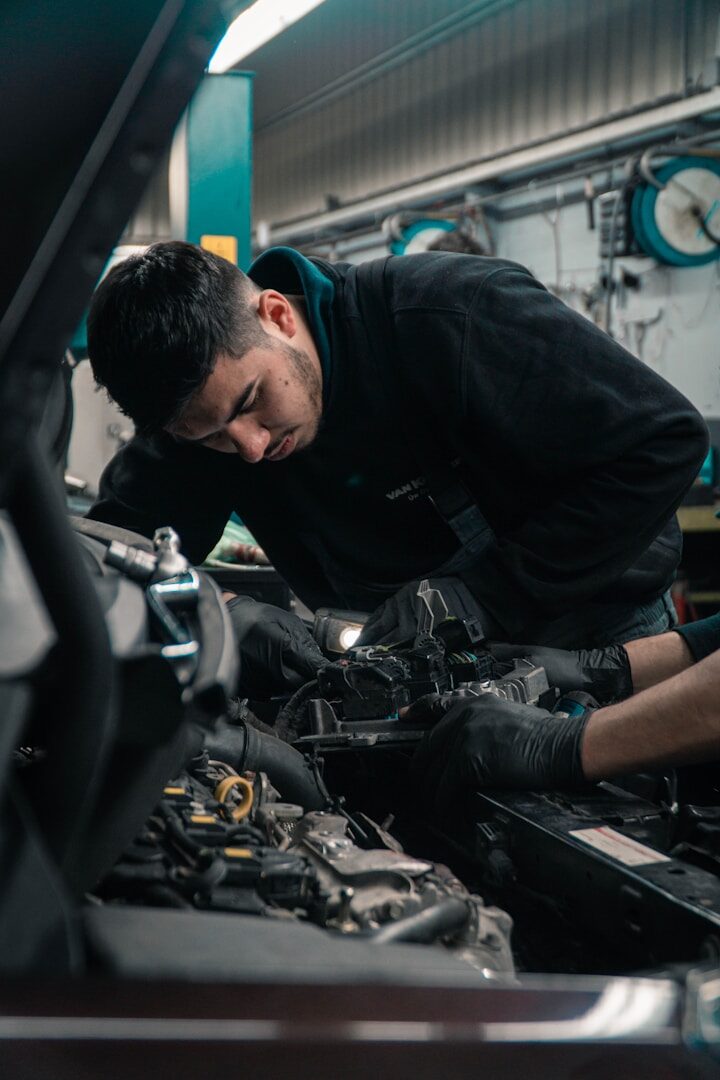
If you do your own car work — or you’d just like to stop handing a shop $120 to tell you what a $25 tool could’ve told you — an OBD-II scanner is one of the smartest first buys for a home garage. Since 1996, basically every car and light truck sold in the U.S. has an OBD-II port, and that little connector is your window into what the engine computer is actually thinking when the check engine light comes on.
The tricky part is that “OBD-II scanner” covers everything from a $25 code reader to a $400 tablet that can command your ABS pump. The right one depends on how deep you want to go. Some folks just want to know whether that light means a loose gas cap or something serious. Others want live sensor data, ABS and airbag coverage, or bidirectional controls to actively test parts. Buying too little means a second purchase later; buying too much means paying for features you’ll never touch.
Below we’ve rounded up scanners that are popular, well-reviewed, and come from brands that show up again and again in DIY circles. We’ve grouped them roughly from budget to premium so you can match the tool to your ambitions and your wallet. None of these are products we’ve personally tested — instead we’ve leaned on strong customer reviews and reputations to pick options worth a look.
The Best OBD-II Scanners for DIY Mechanics
ANCEL AD310 Classic Enhanced OBD II Scanner
Approx. price at time of writing: $25.49 · Rating: 4.6★ on Amazon
The AD310 is about as no-frills as a code reader gets, and that’s exactly why it stays so popular. It plugs into your OBD-II port, pulls and clears trouble codes, and reads basic live data without any apps, subscriptions, or batteries to fuss with. It’s the kind of tool you toss in the glovebox and forget about until the check engine light shows up.
Why We Like It: It’s one of the most commonly recommended entry-level readers for a reason: it does the core job reliably for the price of a couple of fast-food meals.
Best For: First-time DIYers who just want to know why the check engine light is on.
Pros:
- Very affordable
- Dead simple to use, no setup
- Reads and clears generic OBD-II codes
Cons:
- No live graphing or advanced systems
- Wired unit with a short-ish cable
- Small monochrome screen
Autel AL319 AutoLink OBD2 Code Reader
Approx. price at time of writing: $29.99 · Rating: 4.6★ on Amazon
Autel’s AL319 steps things up slightly from a bare-bones reader with a color-coded screen and a one-click readiness check that’s genuinely handy before an emissions test. It reads and clears codes, shows freeze frame data, and gives you a quick verdict on whether the car is likely to pass smog.
Why We Like It: It hits a sweet spot between price and usefulness, and Autel is a well-reviewed name in diagnostics.
Best For: Budget shoppers who want the emissions-readiness check before a smog test.
Pros:
- Color screen with readiness LEDs
- Reputable brand
- Free lifetime updates via USB
Cons:
- Still a basic reader, no bidirectional control
- Wired only
- Menus feel a little dated
ANCEL AD410 Enhanced OBD2 Scanner
Approx. price at time of writing: $38.99 · Rating: 4.5★ on Amazon
The AD410 builds on the AD310 with a larger color display and live data streaming, so you can actually watch sensor values change in real time. It’s still a wired plug-and-play unit, but the extra screen real estate and graphing make it a nicer tool to live with for occasional troubleshooting.
Why We Like It: It’s a small step up in price for a noticeably better screen and live data, which is where a lot of real diagnosis happens.
Best For: DIYers who want live data without jumping to a phone-based scanner.
Pros:
- Color display with live data
- Affordable mid-budget pick
- Easy plug-and-play operation
Cons:
- No bidirectional tests
- Generic codes only on most systems
- Cable length is modest
FOXWELL NT301 OBD2 Scanner
Approx. price at time of writing: $55.99 · Rating: 4.5★ on Amazon
The NT301 is a long-running favorite among home mechanics who want a sturdy handheld with real live-data graphing and a clear pass/fail readiness display. It feels more rugged than the cheapest readers and the interface is straightforward enough that you’re not hunting through menus.
Why We Like It: It’s a popular choice that keeps showing up in DIY recommendations thanks to its balance of features, build quality, and price.
Best For: Home mechanics who want reliable live data and emissions checks in one durable unit.
Pros:
- Live data with graphing
- Rugged, well-built handheld
- Clear emissions readiness display
Cons:
- Generic OBD-II only, no bidirectional
- No Bluetooth/app
- Updates require a PC
ANCEL AD410 PRO 2-in-1 Scanner & Battery Tester
Approx. price at time of writing: $59.97 · Rating: 4.6★ on Amazon
This one combines an OBD-II code reader with a 12V battery health test, so a single tool can tell you whether that rough start is a charging issue or something the ECU is flagging. It reads and clears codes, shows live data, and runs a quick battery and charging-system check.
Why We Like It: Bundling a battery test into a code reader is genuinely practical, and dead batteries are one of the most common no-start causes.
Best For: Drivers who want diagnostics plus a quick battery health check in one device.
Pros:
- Combines code reading and battery testing
- Color screen with live data
- Good value for two functions
Cons:
- Battery test is basic vs a dedicated tester
- Wired unit
- No bidirectional control
BlueDriver Pro Bluetooth OBD2 Scanner
Approx. price at time of writing: $74.94 · Rating: 4.5★ on Amazon
BlueDriver is a small Bluetooth dongle that turns your phone into a capable scan tool through its app, with no subscription required. It’s known for detailed repair reports that pull from a database of verified fixes, plus enhanced coverage for many ABS, airbag, and other systems beyond generic codes.
Why We Like It: The repair-report feature and broad system coverage make it punch well above a typical dongle, and there’s no recurring fee.
Best For: DIYers comfortable using their phone who want enhanced data and repair guidance.
Pros:
- No subscription, free app
- Enhanced ABS/SRS coverage on many vehicles
- Detailed repair reports
Cons:
- Relies on your phone and the app
- Premium price for a dongle
- Feature support varies by make
LAUNCH CRP123X Elite Scan Tool
Approx. price at time of writing: $167.20 · Rating: 4.4★ on Amazon
The CRP123X moves into pro-hobbyist territory with a touchscreen tablet-style unit that covers the four main systems: engine, transmission, ABS, and SRS. It runs on Android, updates over WiFi, and gives you live data graphing on a large display.
Why We Like It: For people who routinely work on their own cars, the four-system coverage and tablet interface are a big quality-of-life upgrade.
Best For: Serious DIYers who want ABS and airbag coverage without dealer-level prices.
Pros:
- Engine, trans, ABS, and SRS coverage
- Large touchscreen, WiFi updates
- Live data graphing
Cons:
- Pricier than basic readers
- Still limited bidirectional functions
- Larger to store
Innova 5610 Bidirectional Scan Tool
Approx. price at time of writing: $279.99 · Rating: 4.4★ on Amazon
The Innova 5610 is a higher-end handheld aimed at advanced DIYers, offering bidirectional controls, oil light and battery resets, and ABS/SRS coverage. It’s designed to actually command components rather than just read codes, which is where a lot of deeper diagnostics start.
Why We Like It: Bidirectional capability at this level lets you test components actively, and Innova is a long-established diagnostics brand.
Best For: Advanced home mechanics who want to perform active tests and resets.
Pros:
- Bidirectional control functions
- Service resets (oil, battery, etc.)
- Solid system coverage
Cons:
- Higher price point
- Steeper learning curve
- Overkill for casual users
Autel MaxiCheck MX808S Bidirectional Scan Tool
Approx. price at time of writing: $378.98 · Rating: 4.7★ on Amazon
The MX808S is a tablet-style diagnostic tool that brings near-pro features to the home garage: full-system diagnostics, bidirectional active tests, and a long list of service functions like oil reset, EPB, and battery registration. It’s the most capable pick on this list and the closest to what a shop might reach for.
Why We Like It: It’s a well-reviewed option that covers far more than codes, making it a strong long-term tool for someone who works on multiple vehicles.
Best For: Dedicated enthusiasts and side-gig mechanics who want shop-grade coverage.
Pros:
- Full-system, bidirectional diagnostics
- Wide range of service functions
- Large, responsive touchscreen
Cons:
- Most expensive option here
- More tool than casual users need
- Updates may require renewal over time
Buying Guide: How to Choose an OBD-II Scanner
Start with what you actually need. Be honest about how you’ll use it. If you mostly want to read and clear codes and check emissions readiness before a smog test, a sub-$60 reader is plenty. If you regularly diagnose ABS, airbag, or transmission faults, look for “enhanced” or full-system coverage. If you want to actively command components — cycle a fuel pump, bleed ABS, register a battery — you need a bidirectional tool, which lives in the higher price tiers.
Wired handheld vs. Bluetooth dongle. Handhelds are self-contained and don’t depend on your phone, which some people prefer for reliability. Bluetooth dongles like BlueDriver use your phone’s screen and an app, which can mean a nicer interface and detailed reports — but you’re tied to that app and your phone’s compatibility.
Watch for subscriptions. Some app-based scanners lock advanced features behind recurring fees. Several picks here, including BlueDriver, are subscription-free, which matters over the life of the tool.
Common mistakes: buying the absolute cheapest reader and then needing ABS coverage a month later; assuming every scanner clears every system (most budget units only handle generic engine codes); and forgetting that clearing a code doesn’t fix the underlying problem — it just resets the light until the fault returns.
Value vs. premium: The ANCEL AD310 and Autel AL319 are excellent value for basic needs. The FOXWELL NT301 and BlueDriver are strong middle-ground picks. The LAUNCH CRP123X, Innova 5610, and Autel MX808S are for people who want pro-leaning capability and will use it.
Frequently Asked Questions
Will any OBD-II scanner work on my car?
If your vehicle was sold in the U.S. in 1996 or later, it has a standard OBD-II port and will work with these scanners for basic engine codes. Enhanced features like ABS or airbag coverage can vary by make and model, so check the listing for your vehicle.
Does clearing a code fix the problem?
No. Clearing a code just turns off the warning light. If the underlying issue is still there, the code — and the light — will usually come back. Use codes as a starting point for diagnosis, not a cure.
What’s the difference between a code reader and a scan tool?
The terms get used loosely, but generally a “code reader” handles basic engine codes, while a “scan tool” offers more — live data, multiple systems, and sometimes bidirectional controls. The pricier picks here lean toward full scan tools.
What is bidirectional control and do I need it?
Bidirectional control lets the tool actively command components — for example, turning a cooling fan on or cycling the ABS pump — to test them. It’s very useful for deeper diagnosis but unnecessary if you only want to read and clear codes.
Do I need to pay a subscription?
Not necessarily. Several scanners here are subscription-free. Some app-based or tablet tools may charge for software updates after an initial period, so it’s worth checking before you buy.
Can a scanner tell me exactly what’s wrong?
It points you to the system and the fault, but not always the exact failed part. A P0301 misfire code, for instance, tells you cylinder one is misfiring — but not whether it’s a coil, plug, or injector. That’s where live data and a little detective work come in.
Is a phone-based scanner as good as a handheld?
It depends on the app and your phone. Good Bluetooth scanners can match or beat budget handhelds on features, but you’re relying on your phone and the software. Handhelds are self-contained, which some DIYers prefer.
For more gear we think is worth a look, browse our Garage Deals hub, our roundup of 10 automotive gadgets worth checking out, and our guide to automotive technology.