
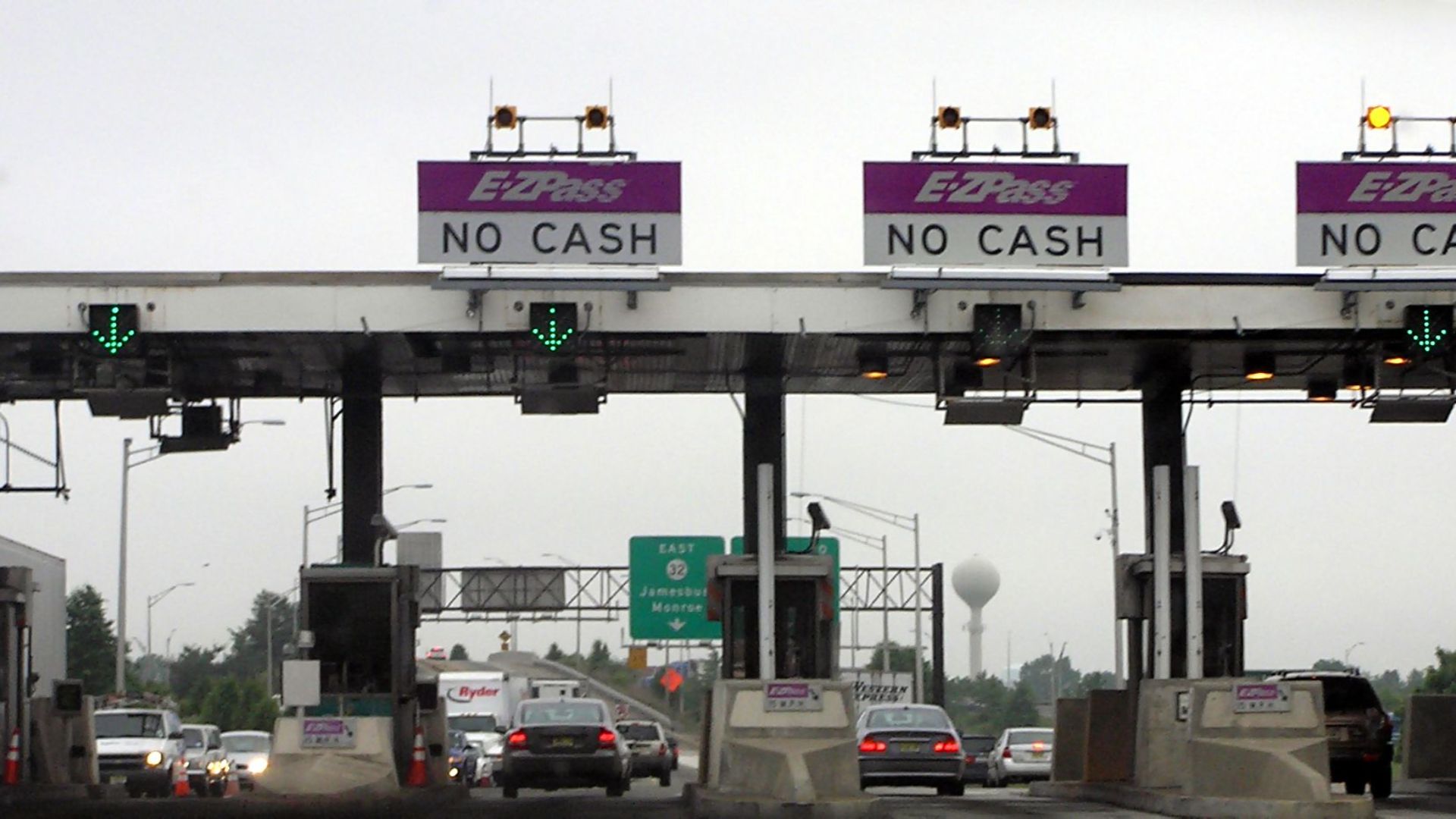
Drivers across the country are receiving toll bills for routes they never drove, according to authorities investigating a growing pattern of cloned license plates being used to avoid toll charges.
Crash At Mecum Takes Out Corvettes and Pontiac Trans Am
How the Scheme Works
According to sheriff’s deputies in Weld County, Colorado, individuals are duplicating legitimate license plate numbers, including both temporary and permanent tags, and using the cloned plates on vehicles that pass through toll cameras. Because the toll system reads the plate number rather than verifying the vehicle itself, the bill is sent to the actual registered owner, even if that person is located far from where the toll was incurred. One Colorado resident reportedly received penalty notices from Pennsylvania, New Jersey, and Delaware despite never having left the state, and investigators say the plate in question wasn’t stolen, just duplicated.
A Growing Problem Elsewhere
The issue isn’t limited to Colorado. One New York driver reported being billed more than $600 in fraudulent tolls before the matter escalated to debt collection. Authorities acknowledge they are still working to understand the full scope of the problem, but the pattern suggests plate cloning fraud is becoming more widespread.
What to Do If You Receive a Suspicious Toll Bill
Officials advise drivers who receive unexpected toll notices not to ignore them. Filing a police report and contacting the local DMV can help establish a paper trail that may be necessary to dispute the charges. At Colorado’s E-470 toll authority, staff manually review license plate images against state vehicle records to identify potential clones, and confirmed fraudulent plates are flagged in the system, though officials acknowledge the process remains an ongoing challenge.
A Broader Vulnerability in Toll Technology
As cashless toll systems become more widespread, cases like these highlight a vulnerability in how those systems verify vehicle identity. An unexpected toll charge may not always reflect a billing error, it could be the result of someone else’s vehicle using a cloned version of a driver’s license plate.