 By Shawn Henry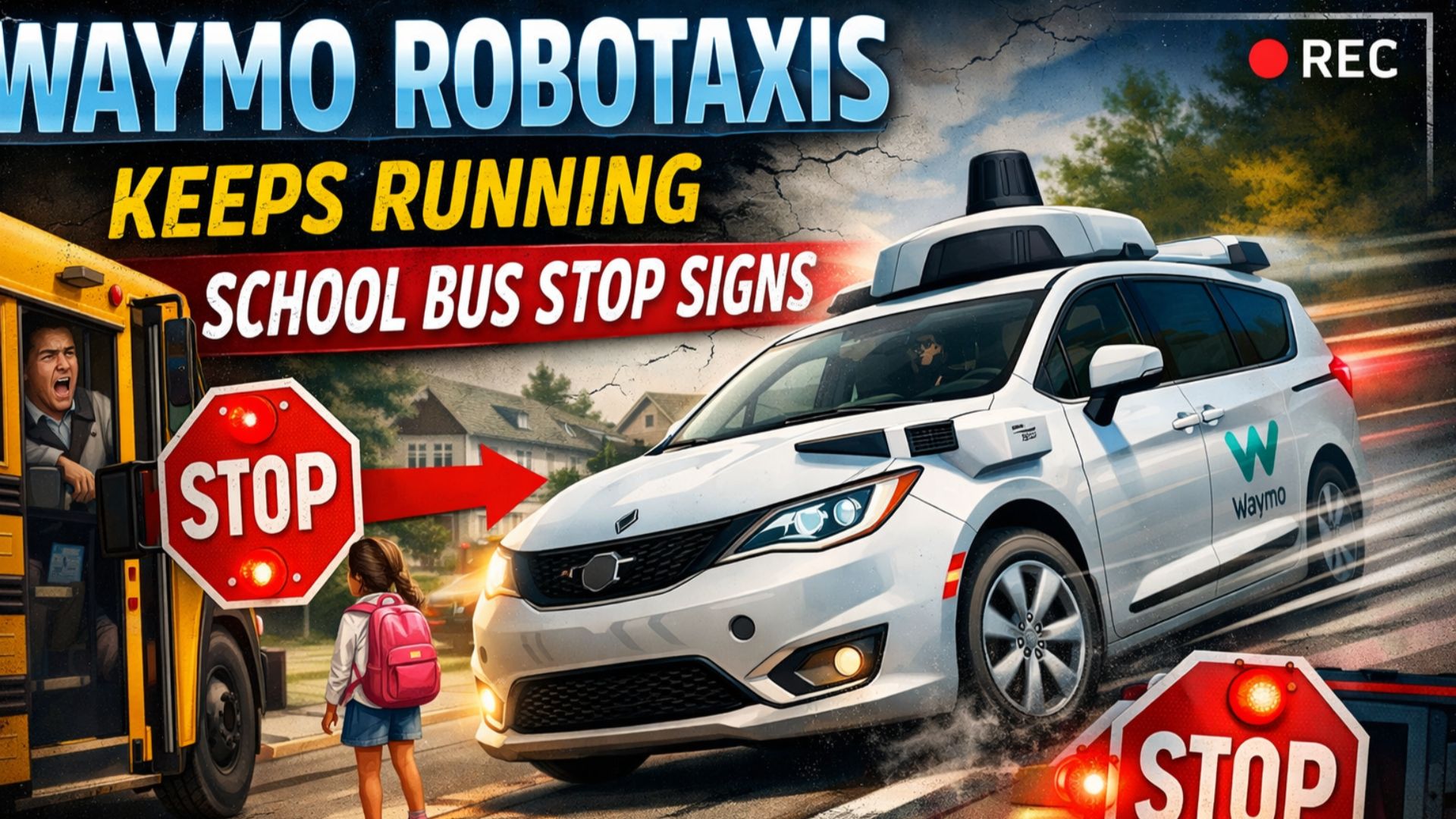
Concerns over the real-world safety of autonomous vehicles are resurfacing in Austin, Texas, where Waymo’s self-driving ride-hailing vehicles are accused of repeatedly violating school bus safety laws. The issue has drawn attention after comments from Waymo founder John Krafcik criticizing Tesla’s camera-only approach to automated driving, even as Waymo’s own vehicles face unresolved safety problems.
According to the Austin Independent School District, Waymo robotaxis have continued to illegally pass stopped school buses while children are boarding or exiting, despite multiple software updates intended to correct the behavior. The district says the most recent violation occurred just two days after Waymo completed what it described as a software recall designed to address the problem.
Austin ISD officials say the repeated failures have escalated their concerns, prompting renewed calls for Waymo to suspend operations during morning and afternoon hours on school days, when buses are actively transporting students. The district has also indicated it is evaluating legal options in response to what it describes as ongoing safety risks.
Reporting from School Transportation News indicates that Waymo previously informed the district that a software fix would resolve the issue by early November 2025. However, a memo sent to Waymo later that month by the district’s general counsel stated that at least five additional violations occurred after the update was deployed. School officials say the continued incidents demonstrate that the software is not functioning as intended or fast enough to protect students.
The Austin situation follows earlier scrutiny involving Waymo vehicles in other cities. The company is already under review by the National Highway Traffic Safety Administration after video surfaced showing a Waymo vehicle illegally passing a stopped school bus in Atlanta while children were present.
Autonomous vehicle developers have long argued that self-driving systems will ultimately be safer than human drivers by eliminating distractions and consistently following traffic laws. Incidents like those reported in Austin challenge that premise, particularly when violations involve school buses, which carry strict legal protections due to the presence of children.
While illegal school bus passing is also committed by human drivers, school officials argue that automated systems marketed as safer alternatives should not repeat the same dangerous mistakes. As Waymo continues expanding its autonomous services, the Austin case underscores growing questions about oversight, accountability, and whether current technology is ready to share the road during the most safety-sensitive situations.
 Eve Nowell