
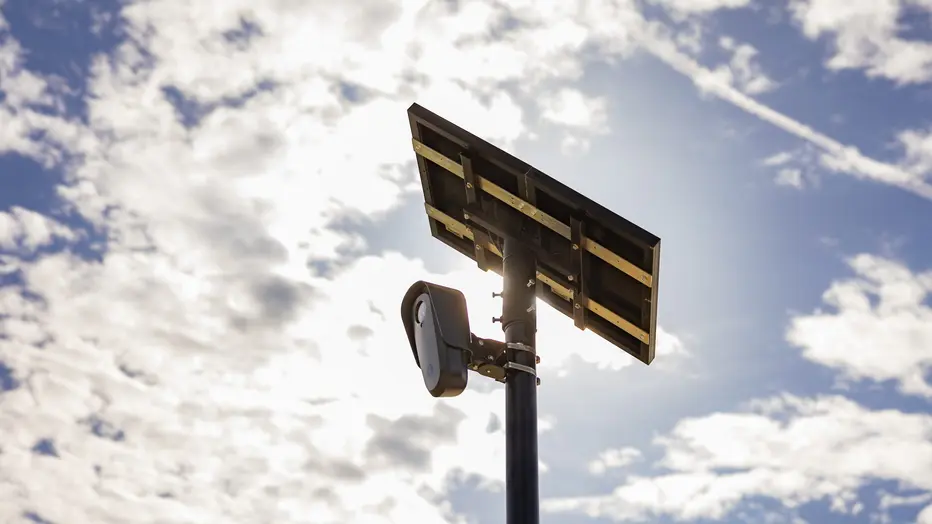
The arrest of a Wisconsin police officer is reviving concerns about how law enforcement agencies actually use automated license plate reader networks like Flock Safety, and whether anyone is watching the watchers.
The Charge
Cristian Morales, a 31-year-old officer with the Menasha Police Department, appeared in court Friday after being arrested earlier in the week. He’s charged with one count of misconduct in public office, a Class I felony that carries up to three and a half years in prison and a $10,000 fine if he’s convicted — though at this stage the charge remains an allegation, not a finding of guilt.
How the Alleged Misuse Came to Light
The case centers on claims that Morales improperly used the department’s Flock Safety system to search for vehicles tied to a private individual. Notably, the situation wasn’t caught by internal monitoring — it surfaced after the alleged victim contacted the Appleton Police Department with concerns that their vehicle was being tracked.
Investigators allege Morales ran seven searches through the Flock system between October 7 and October 14. Five of those searches reportedly involved vehicles belonging to the complainant, and two involved a vehicle owned by the complainant’s brother. One search logged on October 9 listed “welfare” as its stated purpose. Authorities say Morales later admitted to accessing the system while off duty and acknowledged the searches violated policy, allegedly attributing his actions to poor judgment, exhaustion, and personal stress.
A Pattern Beyond Wisconsin
This isn’t an isolated case. In Sandy Springs, Georgia, an officer was fired after being accused of misusing a similar system — that case reportedly involved corporate espionage rather than stalking, and it only came to light after the company involved raised concerns, not through any internal review by the department.
A similar pattern played out in Joplin, Missouri, where an officer was dismissed over inappropriate use of license plate reader data. The Missouri State Highway Patrol is reportedly reviewing whether criminal charges are warranted there, and in that case, the improper activity only surfaced after a citizen filed a public records request about camera usage.
The Common Thread
Across all three cases, the misuse wasn’t caught by the departments or the surveillance companies themselves — it took an outside party noticing something wrong and speaking up. That pattern raises pointed questions about how closely these systems are actually monitored internally, and whether the oversight promised to the public matches what’s happening behind the scenes.