
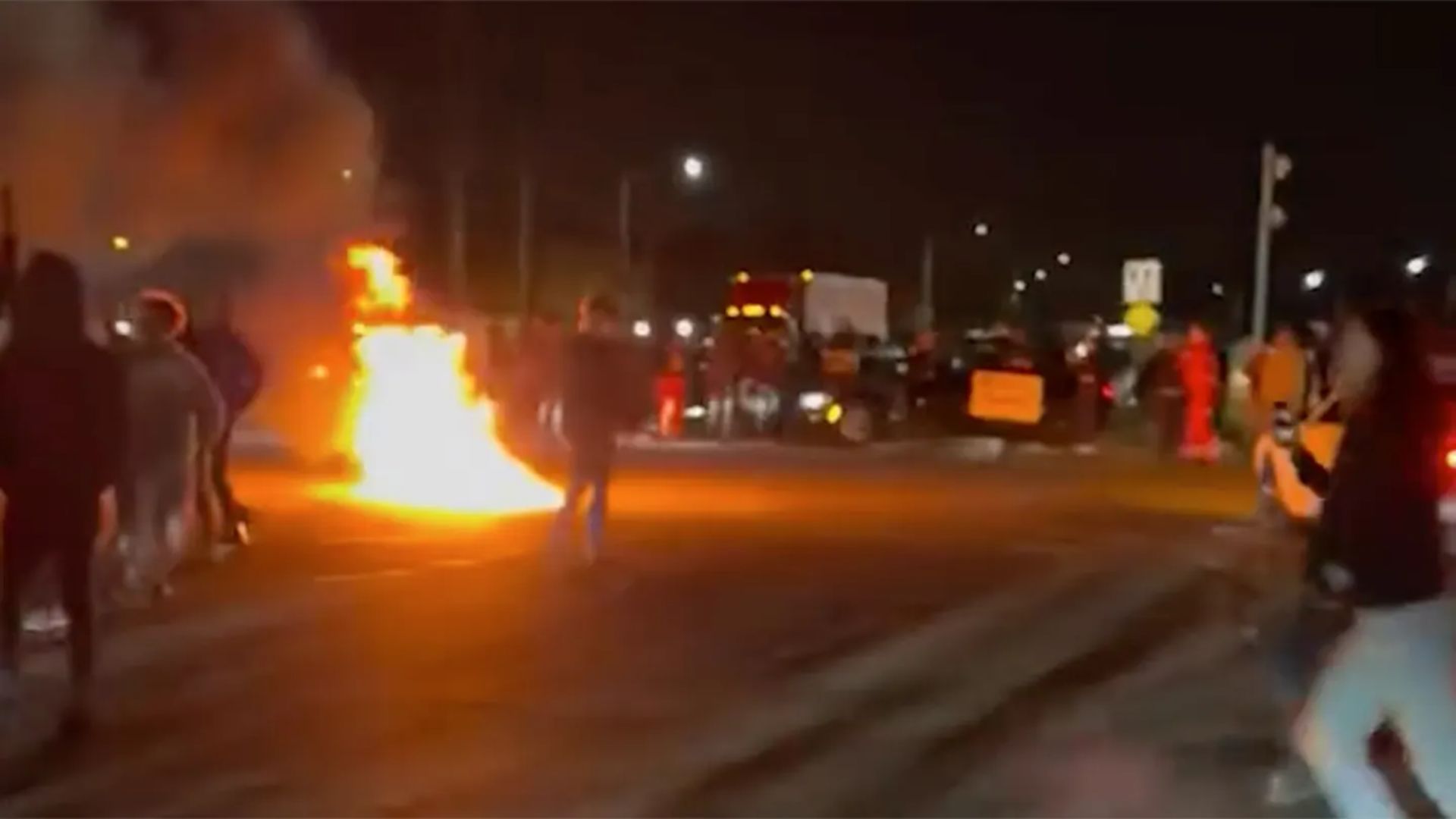
A bipartisan bill aimed at strengthening penalties for reckless driving in Wisconsin has cleared the state legislature and now awaits Governor Tony Evers’ signature.
Ford Recalls Nearly 625,000 Vehicles Over Seatbelt and Camera Malfunctions
Expanding an Existing Impound Law
The bill, co-authored by Republican Rep. Bob Donovan of Greenfield and Sen. Van Wanggaard of Racine, builds on a 2023 law that allows police to tow and impound vehicles involved in reckless driving. Under the current law, officers can only impound vehicles owned by the person cited for the offense, which limits its usefulness in cases involving borrowed or stolen vehicles.
What the New Measure Would Change
The new legislation would allow police to impound any vehicle used recklessly, regardless of who owns it, with towing costs and outstanding fines required to be paid before the vehicle is released. Officers would still be required to make a reasonable effort to determine whether a vehicle was reported stolen and to contact its rightful owner. Owners whose vehicles were stolen would not be responsible for impound fees.
Corvette Driver and Teen Passenger Injured After Car Slides Under Tractor-Trailer in North Carolina
Path Through the Legislature
The bill passed the Assembly earlier this year and the Senate in mid-October after months of delay. Lawmakers added an amendment giving officers discretion over when to impound a vehicle, addressing concerns raised by some Democrats about scenarios such as a parent unknowingly lending a car to a reckless driver. Governor Evers’ office has indicated he intends to sign the bill following that amendment.
Broad Support Across Party Lines
The measure has drawn support from Milwaukee Mayor Cavalier Johnson, the city’s Common Council, and multiple law enforcement associations, who view it as an important tool in addressing ongoing reckless driving and hit-and-run incidents in the city.
Local Implementation Still Required
Even after the governor signs the bill, cities such as Milwaukee will need to adopt their own local ordinances before police can begin enforcing the expanded impound authority.