
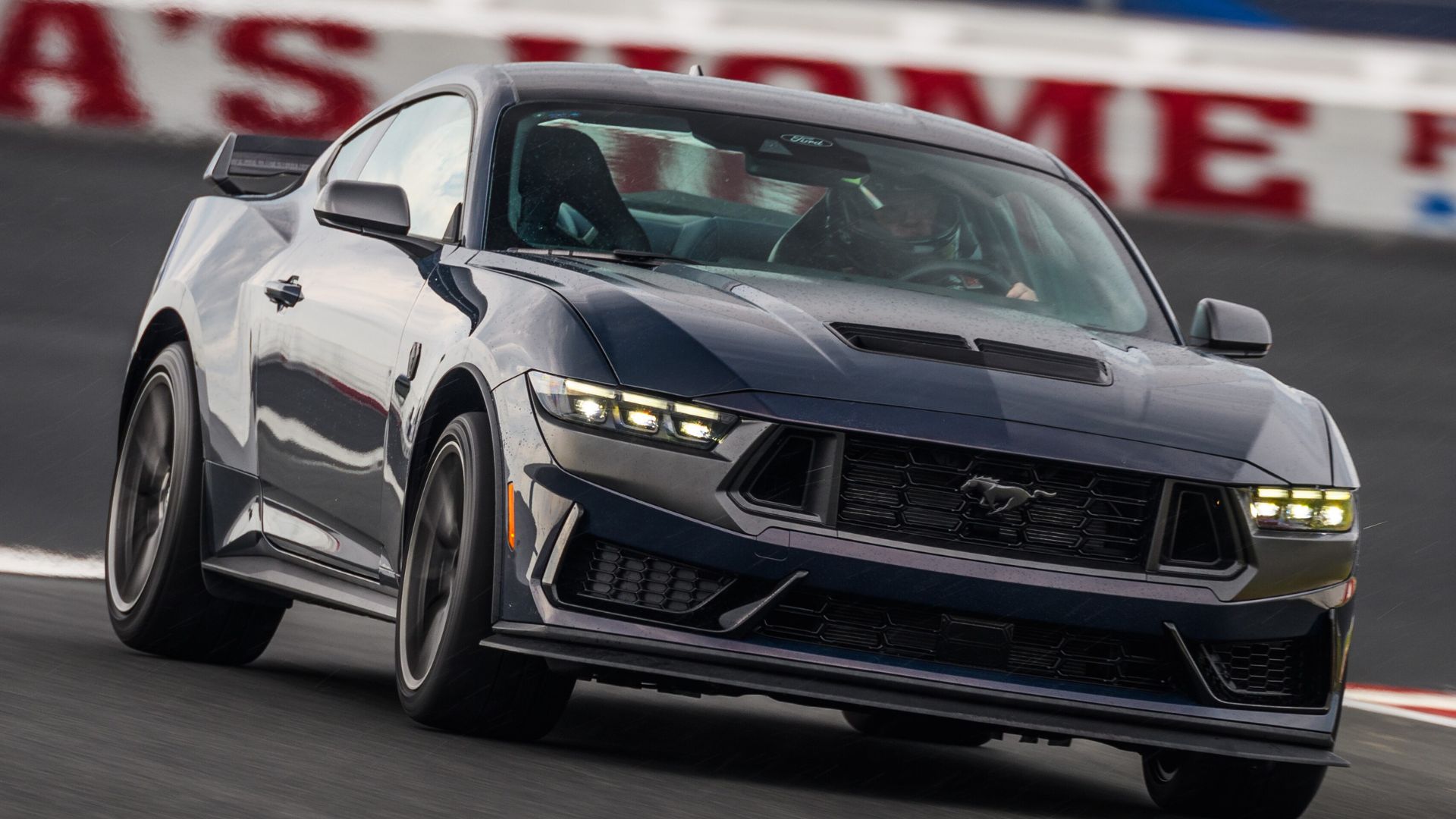
Ford has issued a recall covering 1,048 Mustangs equipped with dealer-installed Whipple 3.0-liter supercharger kits, citing a software issue that could lead to unintended acceleration.
What’s Under the Hood
The affected vehicles use Whipple’s twin-screw supercharger kit paired with an intercooler setup, boosting Ford’s Coyote V8 to roughly 810 horsepower. The kit itself, priced at around $10,500, is a well-regarded aftermarket performance upgrade when installed correctly.
Thieves Steal Hello Kitty Bounce House Using Ford F-150
The Root of the Problem
According to Ford, the issue isn’t the hardware itself but the performance tune that accompanies the supercharger installation. The calibration can interfere with the vehicle’s built-in safeguards designed to cut power if the throttle sticks open. With the altered tune in place, those failsafes may not engage properly, potentially allowing the engine to continue accelerating even after the driver releases the throttle.
No Reported Crashes, But Ford Is Not Taking Chances
Ford says no accidents have been reported in connection with the issue, but the company is advising affected owners to avoid driving the vehicles until dealers can install a software fix. Dealers are already working to roll out the update.
A Reminder About Aftermarket Performance Tuning
The recall highlights a broader reality of modern performance vehicles: as more of a car’s behavior is governed by software rather than purely mechanical systems, even a well-installed hardware upgrade can be undermined by a calibration issue elsewhere in the vehicle’s electronics.